A small toothache can feel easy to put off when work, school, and family schedules are already full. But many dental problems are quiet at first. This preventive dental care guide focuses on the everyday choices and regular visits that help catch concerns early, before they become painful, complex, or more costly to treat.
Preventive care is not about having a perfect smile or being judged for what you have missed in the past. It is about giving your teeth and gums consistent support, starting from where you are now. For adults, children, busy families, and people who feel anxious about the dentist, a calm routine can make oral health feel far more manageable.
What Preventive Dental Care Actually Does
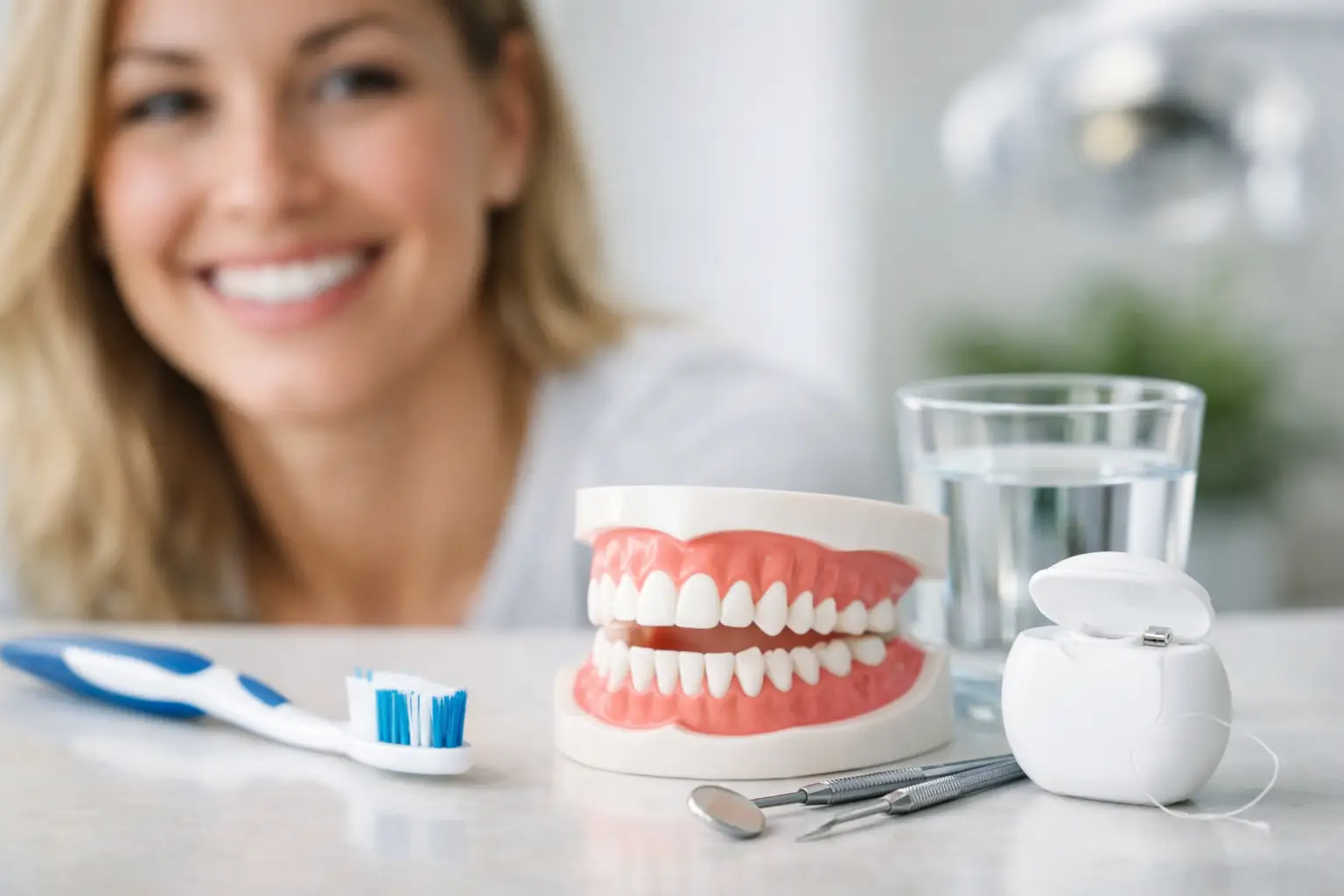
Preventive dental care combines your at-home routine with professional exams, cleanings, and X-rays when they are appropriate. Each part catches something different. Brushing and flossing remove plaque before it hardens, while dental visits allow a team to look for signs that are difficult to see or feel on your own.
Plaque is a sticky film of bacteria that forms throughout the day. If it stays on teeth and along the gumline, it can contribute to cavities and gum inflammation. Over time, it may harden into tartar, which cannot be removed with a toothbrush. Professional cleaning removes that buildup and gives your gums a fresh start.
Regular exams also help identify early decay, worn fillings, cracked teeth, gum disease, bite changes, and signs of grinding. Early treatment is often simpler. A small cavity may only need a filling, while untreated decay can eventually require a root canal, crown, or extraction. Prevention cannot eliminate every dental issue, but it can greatly improve the odds of finding one at its most treatable stage.
Build a Daily Routine You Can Keep
The best dental routine is one you can do consistently, even on rushed mornings and tired evenings. Aim to brush twice each day for two minutes with fluoride toothpaste. Fluoride helps strengthen enamel, the protective outer layer of teeth, and can make teeth more resistant to decay.
Use a soft-bristled toothbrush and gentle pressure. Brushing harder does not clean better. In fact, aggressive brushing can irritate gums and wear away tooth surfaces over time. Angle the bristles toward the gumline and use small, controlled motions to clean the front, back, and chewing surfaces of every tooth.
Cleaning between your teeth once a day matters just as much. A toothbrush does not reach the tight spaces where plaque often collects. Traditional floss works well for many people, while floss picks, interdental brushes, or a water flosser may be easier for others. The right choice depends on your teeth, gums, dental work, and what you will realistically use regularly.
If you have braces, bridges, implants, or crowded teeth, ask your dental team to show you the most effective tools for your mouth. There is no need to guess. A few minutes of personalized guidance can make your routine more comfortable and effective.
Everyday habits that protect teeth
Food and drink choices affect oral health, especially how often teeth are exposed to sugar and acid. Sipping soda, sweetened coffee, sports drinks, or juice over several hours gives bacteria frequent fuel. It is usually easier on teeth to enjoy these drinks with a meal rather than slowly throughout the day.
Water is a practical choice between meals. It rinses away food particles and supports saliva, which helps neutralize acids in the mouth. If you snack often, try to include tooth-friendly options such as cheese, plain yogurt, nuts, crunchy vegetables, or fresh fruit when appropriate for your dietary needs.
Smoking and tobacco use can increase the risk of gum disease, tooth loss, dry mouth, staining, and oral cancer. If quitting feels difficult, your dentist can still provide nonjudgmental care and help you understand what changes to watch for. Preventive care should always feel supportive, not shaming.
Why Cleanings and Exams Matter
Even excellent brushers need professional cleanings. Tartar can build up in places that are hard to reach, particularly behind lower front teeth and around the gumline. During a cleaning, a hygienist removes this hardened buildup and checks how your gums are responding.
Healthy gums usually look pink or coral-colored and do not bleed regularly when you brush or floss. Bleeding, swelling, tenderness, persistent bad breath, or gums that appear to pull away from teeth can be early signs of gum disease. Gum disease is common and often painless in its earlier stages, which is one reason routine visits are so valuable.
Your dentist will also examine the teeth, gums, bite, jaw, and soft tissues of your mouth. X-rays may be recommended to check areas that cannot be assessed by sight alone, including between teeth, beneath existing restorations, and around tooth roots. They are not necessarily needed at every appointment. The timing depends on your history, current oral health, and risk of decay or gum disease.
For many people, visits every six months are a sensible starting point. Some patients need more frequent periodontal care because of gum disease, dry mouth, diabetes, pregnancy-related gum changes, a history of frequent cavities, or other individual factors. Others may have a different schedule based on stable oral health. Your dental team should explain what they recommend and why.
A Preventive Dental Care Guide for Families
Children benefit from dental care long before they have a full set of adult teeth. Baby teeth help children chew, speak clearly, and hold space for permanent teeth. They can also develop cavities, sometimes quickly, so early habits matter.
Help young children brush with a small amount of fluoride toothpaste appropriate for their age and ability to spit. Most children need hands-on help brushing until they develop the coordination to do it thoroughly on their own. A simple routine, such as brushing together before bedtime, can make this less of a daily battle.
For families, convenience is part of prevention. Booking appointments in advance, coordinating visits when possible, and choosing appointment times that fit school and work can prevent routine care from slipping off the calendar. Evening and Saturday availability can be especially helpful for busy households in East Toronto.
Parents should also model calm dental habits. Avoid using the dentist as a threat or sharing frightening stories before a child’s appointment. Instead, keep language simple: the dental team will count teeth, clean away plaque, and make sure their smile is growing well.
Do Not Wait for Pain to Call
Pain is a clear reason to contact a dentist, but it is not the only one. A chipped tooth, a lost filling, sensitivity that lingers, a loose crown, jaw swelling, or gums that bleed often deserve attention before the problem worsens. Call promptly if you have facial swelling, fever, uncontrolled bleeding, or trouble swallowing or breathing. Those symptoms may require urgent medical or dental evaluation.
Tooth sensitivity can have several causes, from exposed roots and enamel wear to a cavity or cracked tooth. Whitening products can also cause temporary sensitivity for some people. It depends on the cause, so continuing to treat it at home without an exam is not always the best approach.
If dental anxiety has kept you away, you are not alone. Avoidance is common, particularly after a difficult past experience. Tell the office what makes you nervous before your visit. A gentle practice can explain each step, agree on signals for breaks, discuss comfort options, and move at a pace that feels manageable. At D on D Dental, that calm, judgment-free approach is part of helping patients return to regular care with confidence.
Make Prevention Feel Financially Manageable
Cost concerns are real, and delaying care can sometimes feel like the only option. Still, preventive appointments are often more predictable and less expensive than treating a dental emergency. Ask for clear estimates before recommended treatment, and bring your insurance information so the team can help you understand available coverage.
If you do not have dental insurance, ask about payment options and whether you may qualify for public dental benefits. The goal is no surprises, just support and clear information that lets you make decisions comfortably.
A healthier mouth is built one ordinary day at a time: a thorough bedtime brush, a few minutes of flossing, water between meals, and a dental visit before something hurts. If it has been a while, the most helpful next step is simply booking the checkup that gives you a clear, kind starting point.