
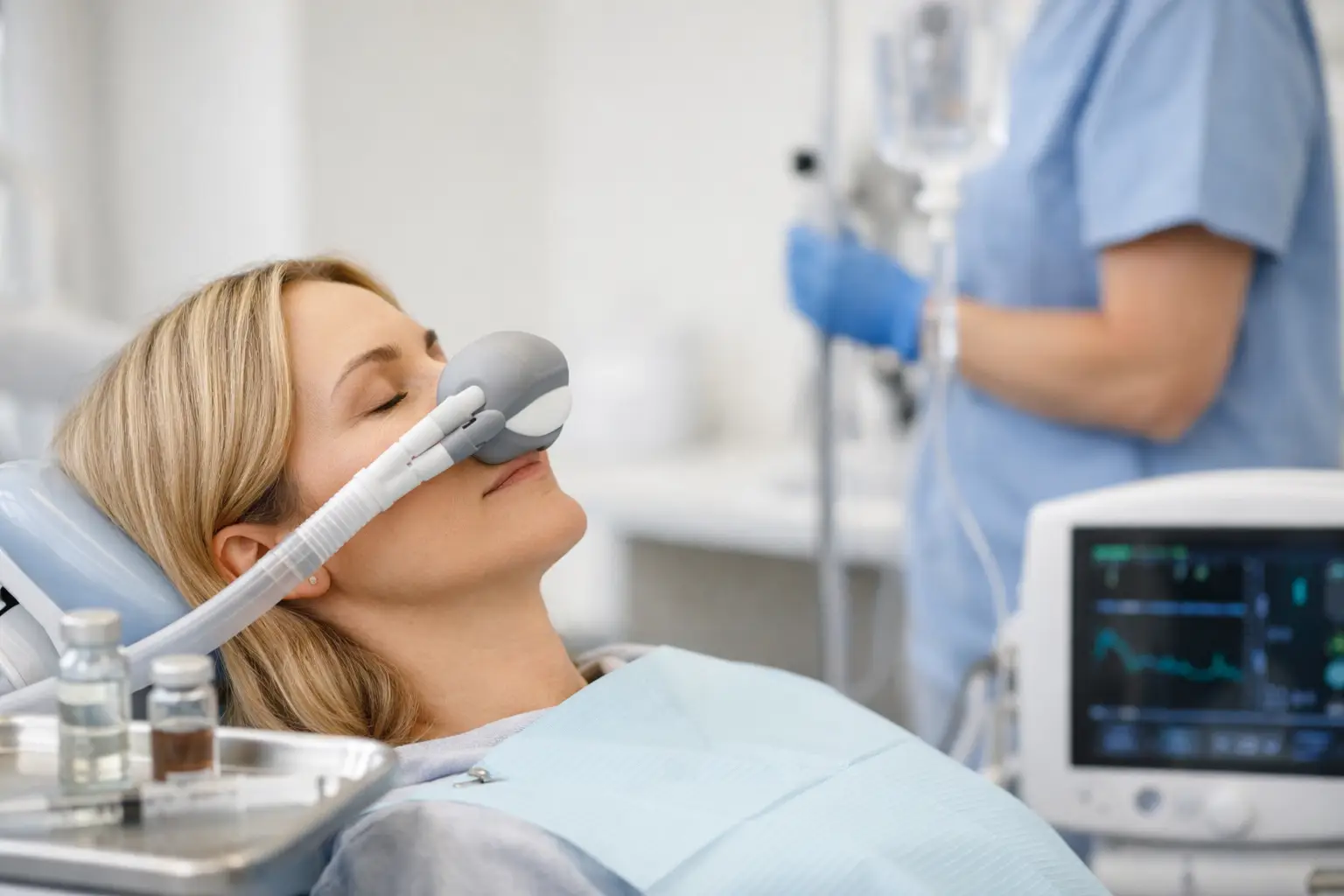
A sedation appointment should not feel like a test you have to pass. Knowing how to prepare for dental sedation can replace many of the unknowns with a clear plan, so you can arrive feeling supported, informed, and ready to focus on your care.
Dental sedation is often a helpful option for people with strong dental anxiety, a sensitive gag reflex, difficulty sitting comfortably for treatment, or a longer procedure ahead. It can make care feel more manageable, but it does require a little preparation. Your dentist will give you instructions based on the type of sedation planned, your health history, and the procedure itself. Those personal instructions should always come first.
Start with an honest pre-sedation conversation
Before your appointment, your dental team needs a complete picture of your health. This is not about judgment. It is how they help make your treatment as safe and comfortable as possible.
Share all prescription medications, over-the-counter products, vitamins, herbal supplements, and recreational substances you use. Some medications and supplements can affect bleeding, blood pressure, blood sugar, or the way sedation medicines work. Let your dentist know about allergies, sleep apnea, breathing concerns, heart conditions, liver or kidney disease, pregnancy, and any past reaction to anesthesia or sedation.
It also helps to be direct about anxiety. If a previous dental visit was difficult, say so. If needles, sounds, loss of control, or a particular treatment step makes you nervous, your team can explain what to expect and make a comfort plan with you. Gentle care starts with listening.
Understand which type of sedation you are receiving
Preparation can look different depending on the kind of sedation your dentist recommends. Nitrous oxide, sometimes called laughing gas, is inhaled through a small mask and often wears off quickly after treatment. Oral sedation involves medication taken by mouth and can leave you drowsy for hours. IV sedation creates a deeper level of relaxation and generally requires more detailed planning and monitoring.
Do not assume that a friend or family member’s instructions apply to you. Whether you need to fast, adjust a medication, or arrange a ride home depends on your specific sedation plan. If any part of your instructions is unclear, call the dental office before the day of treatment. Asking early is much easier than trying to make changes on appointment morning.
Follow food and drink instructions exactly
One of the most common questions about how to prepare for dental sedation is whether you can eat beforehand. The answer depends on the sedation method and your medical needs.
For some appointments, you may be asked not to eat for a certain number of hours before treatment. This helps reduce the risk of nausea or vomiting while you are sedated. You may be allowed clear liquids up to a particular time, or your dentist may ask you to drink water with approved medications. For other appointments, especially those involving lighter sedation, you may be advised to have a light meal beforehand.
Do not fast longer than instructed unless your dental team tells you to do so. If you have diabetes, take medications that affect blood sugar, are pregnant, or have another condition that makes fasting more complicated, make sure your dentist knows well in advance. The goal is safe sedation, not unnecessary discomfort.
Avoid alcohol before your appointment and while you are recovering from sedation, unless your dentist gives different guidance. Alcohol can interact with sedative medications and may make their effects less predictable. It is also wise to avoid recreational drugs before treatment, and to tell your dental team if you have used any recently. Honest information protects you.
Review your medications before the appointment
Continue, pause, or adjust medications only according to instructions from your dentist and prescribing physician. Some medicines are usually taken as normal, while others may need special consideration before a procedure. Never stop a prescribed medication on your own because you are having dental sedation.
If you are taking a sedative medication at home, ask whether you should take it on the morning of your appointment. If your dentist has prescribed an oral sedative specifically for treatment day, confirm exactly when and how to take it. Taking it too early, too late, or without a safe ride already arranged can create avoidable stress.
Bring a current medication list with you, including dosage information. Even if you have filled out forms before, an up-to-date list helps your team confirm the safest plan.
Arrange a trusted adult to take you home
If you are receiving oral or IV sedation, plan for a responsible adult to bring you to the appointment, stay reachable during treatment, and take you home afterward. You should not drive, use public transportation alone, ride a bike, operate machinery, or make significant decisions while the medication is still affecting you.
For busy Toronto households, this is often the part that needs the most advance planning. Ask a partner, relative, friend, or trusted neighbor early, rather than waiting until the night before. Your escort should be prepared to stay with you if your dentist recommends supervision after the procedure.
Even if you feel alert shortly after treatment, judgment and coordination may still be affected. A calm ride home is part of your care, not an inconvenience.
Make recovery easier before you leave home
A little preparation can make the rest of the day feel much simpler. Wear comfortable, loose-fitting clothing and choose layers in case you feel warm or cool during treatment. Avoid heavy makeup, and skip contact lenses if your dentist advises it. You may be asked to remove certain jewelry or oral appliances before care begins.
Set up a quiet place to rest at home. If you are having an extraction, implant procedure, or another treatment that affects eating, have the foods recommended by your dentist ready beforehand. Soft options such as yogurt, applesauce, soup at a safe temperature, or smoothies may be appropriate in many cases, but follow the aftercare instructions you receive for your specific procedure.
It can also be helpful to clear your calendar. Sedation can leave some people sleepy, emotional, or unsteady for the rest of the day. Plan to rest, avoid work and childcare responsibilities when possible, and postpone errands, exercise, alcohol, and important conversations until you are fully recovered.
What to bring and what to expect on arrival
Bring your insurance information if applicable, a list of medications, and your escort’s contact information. If you have forms to complete, do them ahead of time when possible. That creates a more relaxed check-in and gives you time to ask any final questions.
At the office, your dental team will review your health information, confirm your consent, and check that you followed the preparation instructions. They may take vital signs and explain the next steps before sedation begins. If something has changed since your consultation, such as a new illness, fever, pregnancy, medication, or recent use of alcohol or recreational substances, tell them immediately.
Sometimes the safest decision is to reschedule. That can be disappointing, especially when you have worked up the courage to come in, but it is never a failure. Safe, personalized care means adapting the plan when needed.
When to call your dentist before sedation
Call the office if you develop a cold, cough, fever, vomiting, breathing trouble, or another illness before treatment. Also call if you cannot follow fasting instructions, your ride falls through, or you are unsure whether to take a medication. These details can affect whether it is best to proceed.
You should also reach out if you have questions about cost, insurance, or payment before your appointment. Financial uncertainty can add to dental anxiety. A supportive dental office should be able to explain your options clearly so there are no surprises, just support.
After sedation: give yourself permission to rest
After your procedure, follow the written aftercare directions carefully. Take medications only as directed, drink fluids when you are cleared to do so, and eat according to the guidance for your treatment. Your dentist may advise you to avoid smoking, spitting forcefully, using straws, or brushing a treated area for a period of time, particularly after surgical care.
Contact your dental office if you have symptoms that seem unusual, worsening pain that is not controlled by your instructions, persistent bleeding, trouble breathing, severe nausea, or any concern that does not feel right. You do not have to decide alone whether something is worth asking about.
Preparing for sedation is really about creating room for comfort: clear instructions, an honest conversation, a dependable ride, and a quiet recovery plan. When those pieces are in place, you can walk into your appointment knowing that your well-being is being taken seriously.