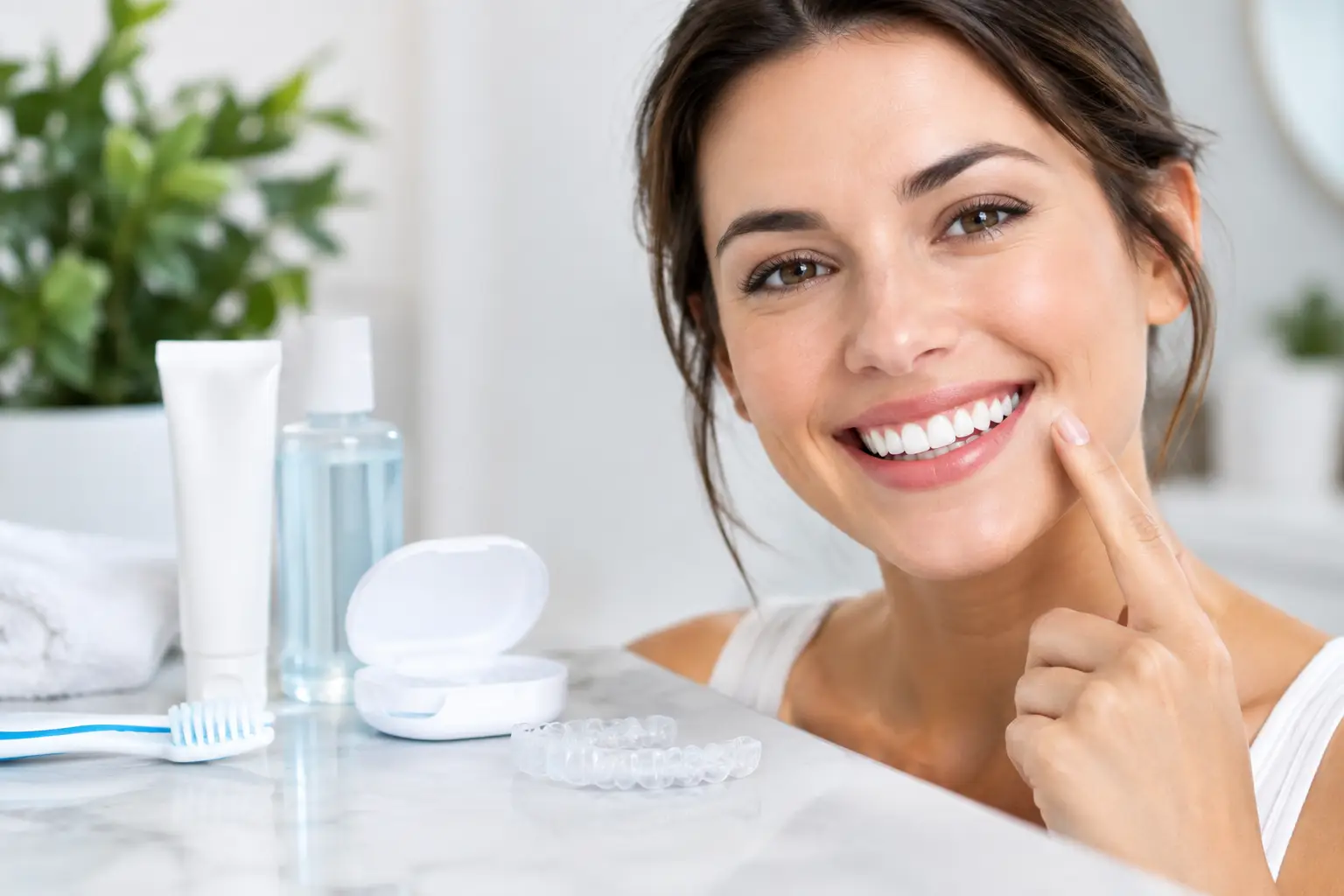
A brighter smile can make you feel more confident in photos, at work, and during everyday conversations. But whitening should never come at the expense of your comfort or oral health. The best ways to whiten teeth safely are the ones that account for the cause of staining, the condition of your teeth and gums, and the level of change you actually want.
Some discoloration responds beautifully to whitening gel. Other changes, such as a darkened tooth after an injury or staining around an older filling, need a different approach. Starting with a clear, judgment-free conversation with your dentist can help you avoid wasted money, unnecessary sensitivity, and disappointing results.
Start with a Healthy, Clean Foundation
Teeth whitening works best when your mouth is healthy. Surface buildup, plaque, tartar, and gum inflammation can make teeth look duller than they are. A professional cleaning may remove some external stains from coffee, tea, red wine, or tobacco and reveal a naturally brighter smile before you use any whitening product.
A dental exam also helps identify concerns that whitening will not fix. Cavities, cracked teeth, gum recession, and exposed roots can make whitening uncomfortable. If cold drinks already cause a sharp twinge, whitening products may increase that sensitivity until the underlying issue is addressed.
This is also the time to set realistic expectations. Healthy teeth naturally come in many shades, and a good whitening result should look fresh and natural, not artificially bright. Your dentist can help you choose a goal that suits your smile.
Professional Whitening Offers the Most Predictable Results
For people looking for a noticeable change with personalized guidance, professional whitening is often the safest and most effective choice. Dental whitening uses carefully selected bleaching ingredients and concentrations, with instructions based on your teeth, gums, and sensitivity history.
In-office whitening can be a good option when you want results quickly. Your dental team protects the gums and monitors the process, which adds an important layer of comfort and safety. Take-home whitening trays from a dentist are another excellent option. Because the trays are made to fit your teeth closely, the whitening gel stays where it belongs rather than spreading onto the gums.
Professional treatment is not always the right answer for every budget or timeline. Still, it tends to offer better control, more even results, and support if sensitivity occurs. At D on D Dental, whitening conversations are approached without pressure – the goal is to help you understand your options and choose what feels right for your smile.
What professional whitening will not change
Whitening gel lightens natural tooth enamel. It does not whiten crowns, veneers, bonding, fillings, or implants. If you have visible dental work near the front of your smile, your dentist can explain how whitening may affect the overall color match.
For example, whitening your natural teeth before replacing an old front crown may allow the new crown to be matched to your brighter shade. In other cases, a different cosmetic treatment may produce a more balanced result.
Safe At-Home Whitening Options
Over-the-counter whitening can be effective for mild to moderate staining, especially when used exactly as directed. The best option depends on your habits, your sensitivity level, and how much whitening you hope to see.
Whitening strips are convenient and widely available. They generally work best for people with relatively straight teeth and surface stains. Follow the timing on the package closely. Leaving strips on longer than recommended will not necessarily make teeth whiter, but it can irritate gums and increase sensitivity.
Whitening trays sold in stores may cover more tooth surface than strips, but one-size-fits-all trays can allow gel to touch the gums. Use only a small amount of gel, wipe away excess promptly, and stop if you develop persistent irritation.
Whitening toothpaste can help reduce new surface stains over time. It is usually best viewed as a maintenance product, not a way to dramatically change your natural tooth color. Some formulas are more abrasive than others, so aggressive brushing with a whitening toothpaste can wear down enamel and worsen sensitivity.
For a lower-pressure approach, begin with a cleaning, use a gentle whitening toothpaste, and ask your dentist whether a short course of strips is appropriate for you. Gradual whitening is often easier on sensitive teeth than trying to get fast results in a few days.
How to Whiten Teeth Safely If You Have Sensitivity
Sensitivity is one of the most common reasons people stop whitening early. It can feel like a brief zing when breathing in cool air, eating something cold, or drinking water. While temporary sensitivity is common, severe pain is not something to push through.
If you have sensitive teeth, try whitening for fewer days or less time per session than the product’s maximum schedule, with your dentist’s approval. Use a toothpaste designed for sensitivity in the weeks before and during whitening, and avoid very cold drinks right after treatment. A dentist may also recommend a professional-strength sensitivity treatment or a modified whitening plan.
Take a break if your gums become white, sore, or irritated, or if tooth pain lasts longer than a day or two. Whitening should feel manageable. If it does not, a dental exam can identify whether exposed roots, decay, gum recession, or another issue is contributing to the discomfort.
Skip DIY Methods That Can Damage Enamel
Natural-sounding whitening trends can be tempting, but many are not gentle or effective. Charcoal powders, baking soda scrubs, lemon juice, vinegar, and abrasive homemade pastes can wear down enamel or irritate gum tissue. Enamel does not grow back once it has been worn away.
Acidic ingredients are especially risky. Lemon juice may seem harmless because it comes from fruit, but acid softens enamel and can make teeth more vulnerable to damage and staining over time. Rubbing teeth with rough powders can create a temporarily polished look while gradually making the tooth surface less smooth.
Avoid products with unclear ingredients, unrealistic promises, or instructions to use them more often than established whitening products. If a method sounds too harsh to use on your skin, it probably does not belong on your teeth.
Keep Your Results Looking Fresh
Whitening is not permanent, particularly if you regularly drink coffee, tea, red wine, or dark sodas. You do not have to give up the things you enjoy, but a few habits can help your results last longer.
Rinse with water after dark drinks or foods, and consider using a straw for iced coffee or other beverages that can stain. Wait about 30 minutes to brush after acidic drinks, since brushing immediately after acid exposure can be rough on softened enamel. Regular cleanings, consistent brushing with fluoride toothpaste, and daily flossing also help keep surface stains from building up.
If you smoke or use tobacco products, reducing or quitting can make a significant difference for both tooth color and gum health. Your dental team can offer supportive, practical advice without judgment.
When to Talk to a Dentist First
Before whitening, schedule a dental visit if you have tooth pain, bleeding gums, loose teeth, untreated cavities, worn enamel, or dental work you would like to match. It is also wise to ask first if you are pregnant or breastfeeding, since many providers recommend postponing elective whitening during that time out of caution.
A dentist can also help when one tooth looks much darker than the others. That type of discoloration may be related to trauma or changes inside the tooth, and whitening strips are unlikely to solve it evenly.
A brighter smile should feel like a confidence boost, not a source of stress. With a healthy starting point, realistic expectations, and a plan that respects your comfort, you can choose a whitening option that helps your smile look refreshed while keeping your teeth and gums cared for.