A small dark spot, a little sensitivity to cold, or a note from your dentist about an early cavity can bring up a hopeful question: can cavities heal naturally? The honest answer is that it depends on how far the decay has progressed. Very early enamel damage can sometimes be strengthened and stopped. A true hole in the tooth cannot grow back on its own.
That distinction matters because waiting too long can turn a simple, comfortable visit into a more involved treatment. Knowing what is possible helps you make a calm, informed decision without guilt or pressure.
Can Cavities Heal Naturally in the Earliest Stage?
Teeth do not heal in the same way skin or bone does. Enamel, the hard outer layer of a tooth, has no living cells that can rebuild a missing section after a cavity forms. But enamel can go through a process called remineralization.
Every day, bacteria in dental plaque use sugars and starches from food and drinks to make acids. Those acids pull minerals out of enamel. This is called demineralization. Saliva helps restore minerals to the enamel between meals, and fluoride makes that repair process more effective.
When decay is caught before the enamel breaks down into a physical hole, your dentist may be able to help you stop or reverse the earliest stage. These areas can look like chalky white spots, faint brown marks, or subtle changes that are easier to see on an exam or X-ray than in the bathroom mirror.
Early intervention may include fluoride treatment, changes to your at-home routine, and closer monitoring. For some patients, prescription-strength fluoride toothpaste or other preventive options may be appropriate. The goal is not to wish a cavity away. It is to create the right conditions for an early weak spot to harden again before it becomes a hole.
When a Cavity Will Not Heal on Its Own
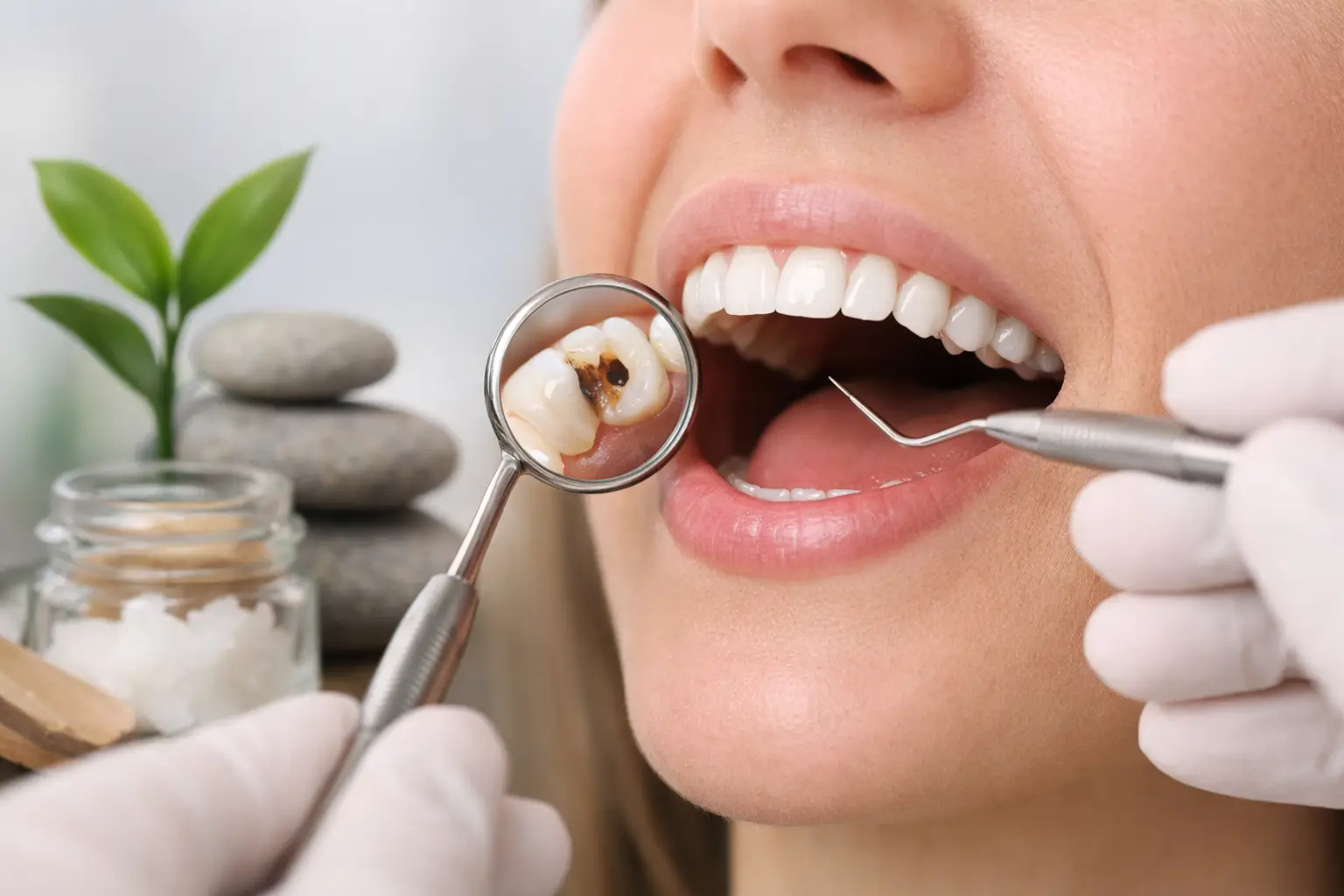
Once bacteria have created a cavity that has broken through the enamel, natural remineralization cannot replace the lost tooth structure. If decay reaches the softer layer beneath enamel, called dentin, it tends to spread more quickly. At that point, a filling is usually the most conservative way to remove decay and restore the tooth.
A cavity may need treatment if you have ongoing sensitivity to sweets, cold, or heat; pain when biting; food getting caught in one spot; a visible pit or dark area; or a tooth that feels rough or damaged. Still, cavities can be silent, especially when they form between teeth or under an old filling. That is why exams and X-rays matter even when your mouth feels fine.
Waiting for pain is rarely a good test. Pain can mean the decay has moved closer to the nerve, which may require a larger restoration, a crown, or root canal treatment. Treating a small cavity early is typically simpler, less expensive, and easier on the tooth.
What Actually Helps Early Decay
There is no home remedy that can close a hole in a tooth. Be cautious with claims that oils, supplements, restrictive diets, or DIY products can cure established cavities. Some of these approaches may support general health, but they do not remove decay or rebuild lost enamel.
The habits that make the biggest difference are consistent and practical:
- Brush twice a day for two minutes with fluoride toothpaste. After brushing, spit out the excess toothpaste rather than rinsing right away, so fluoride has more time on your teeth.
- Clean between your teeth once daily with floss or another tool recommended by your dental team. Cavities often begin where a toothbrush cannot reach well.
- Limit frequent sipping and snacking on sweet or acidic drinks and foods. It is not only the amount of sugar that matters. Repeated exposure gives acids more chances to soften enamel throughout the day.
- Choose water more often, especially between meals. If you enjoy coffee, juice, soda, sports drinks, or sparkling beverages, having them with a meal rather than slowly sipping for hours can reduce acid exposure.
- Keep regular preventive appointments so small changes can be found while they are still manageable.
For children, parents can help by using the right amount of fluoride toothpaste for their age, supervising brushing when needed, and asking the dentist about sealants on back teeth. Sealants are thin protective coatings that can lower the risk of decay in the grooves where cavities often start.
Why Saliva and Fluoride Matter So Much
Saliva is one of your mouth’s built-in defenses. It washes away food particles, neutralizes acids, and carries minerals that support enamel repair. Dry mouth can reduce those protections and raise cavity risk.
Dry mouth can happen because of medications, mouth breathing, certain health conditions, dehydration, or medical treatments. If your mouth often feels sticky or dry, you wake up thirsty, or you need water to swallow dry foods, mention it at your dental visit. The solution may involve more than simply drinking water. Your dentist can help identify cavity-prevention strategies that fit your needs.
Fluoride is also not just for children. Adults benefit from fluoride because it helps enamel resist acid attacks and supports remineralization in early weak areas. The right fluoride approach depends on your cavity history, dry mouth risk, diet, and oral health needs.
A Dental Exam Gives You a Clearer Answer
It is understandable to feel nervous about being told you need a filling. Some people have avoided the dentist for years because they worry about discomfort, judgment, or unexpected costs. But an exam is not a lecture. It is how you find out whether you are looking at an early area that can be monitored or decay that needs care now.
A dentist checks the surface of each tooth, the spaces between teeth, existing fillings and crowns, gum health, bite patterns, and X-rays when appropriate. They can also tell the difference between a stain, a harmless enamel variation, and active decay. Trying to diagnose a cavity from a photo or a sensation alone can lead to unnecessary worry or, just as often, false reassurance.
If treatment is recommended, it is reasonable to ask what the X-ray or exam shows, how urgent the concern is, what happens if you wait, and what your options are. A good care plan should be clear, personalized, and free of surprises.
What If You Have Dental Anxiety?
A cavity concern does not have to become a stressful experience. Let the office know if you are anxious, have had a difficult dental visit in the past, or need extra time to feel comfortable. Small adjustments can help: a clear explanation before each step, breaks during treatment, numbness options, and a pace that feels manageable.
At D on D Dental, patients in East Toronto can expect a calm, judgment-free approach to preventive and restorative care. Whether you need reassurance about an early spot or help with a cavity that needs a filling, asking questions early gives you more choices and often leads to simpler care.
The Best Next Step for a Suspected Cavity
If you notice sensitivity, a visible change in a tooth, or a rough area that does not go away, schedule an exam rather than trying to manage it with home remedies alone. Keep brushing with fluoride toothpaste, floss daily, and avoid placing aspirin or other substances directly on the tooth or gums. Those approaches will not treat decay and can irritate oral tissues.
If you have severe pain, facial swelling, fever, trouble swallowing, or trouble breathing, seek urgent dental or medical care. These symptoms can signal an infection that needs prompt attention.
The encouraging part is that you do not need perfect habits or a perfect dental history to move forward. Early enamel damage can often be stabilized, and established cavities can be repaired gently before they become bigger problems. One straightforward appointment can replace uncertainty with a clear plan for protecting your smile.