
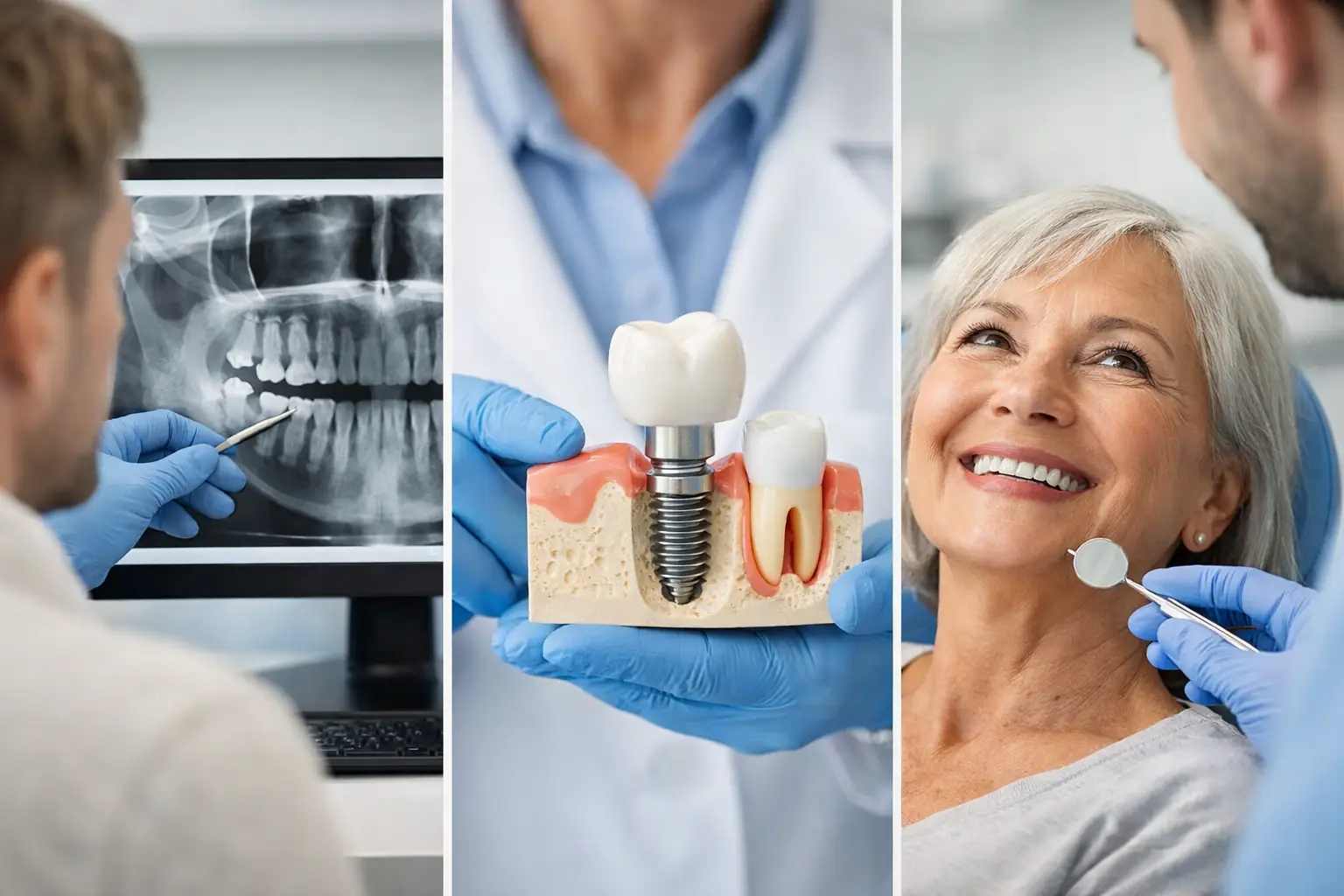
A missing tooth can affect more than a photo or a meal. You may start chewing on one side, avoid certain foods, cover your smile, or worry that the gap will become more noticeable over time. Dental implants are designed to replace the tooth from the root up, giving you a stable, natural-looking option that can feel much closer to having your own tooth again.
For many patients, the question is not simply whether an implant looks good. It is whether treatment will be comfortable, how long it will take, what it will cost, and whether it is the right choice for their health and lifestyle. A clear conversation with a dentist can make the process feel far less intimidating.
What Dental Implants Replace
A dental implant is a small post, usually made of titanium, that is placed in the jawbone where a tooth root once was. After the area heals and the implant becomes stable in the bone, a custom crown is attached on top. The crown is the visible part that is shaped and colored to blend with your surrounding teeth.
An implant can replace one missing tooth, support a bridge when several teeth are missing, or help hold a full denture more securely in place. The treatment plan changes based on how many teeth are missing, the condition of your gums and bone, and what you want your smile to feel like day to day.
Unlike a traditional bridge, a single implant does not usually require the dentist to reshape the healthy teeth beside the gap. Unlike a removable denture, it is fixed in place. Those differences can be meaningful, but they do not automatically make implants the best choice for every patient. A bridge or denture may be a better fit in some situations, especially when timeline, medical needs, or budget are the main concerns.
Are Dental Implants Right for You?
Healthy gums and enough jawbone are helpful foundations for implant treatment. Your dentist will examine your mouth, review X-rays or 3D imaging when needed, and talk through your health history before recommending a plan. This step is not a formality. It helps identify concerns that could affect healing and makes sure the final result is planned carefully.
Gum disease, untreated decay, smoking, uncontrolled diabetes, certain medications, and teeth grinding can all influence treatment. That does not always mean you cannot receive an implant. It may mean that gum treatment, additional healing time, a night guard, or closer follow-up care should come first.
Bone loss is another common concern, particularly if a tooth has been missing for years. The jawbone naturally changes when it no longer receives the pressure of a tooth root. In some cases, a bone graft can rebuild enough support for an implant. This adds time and cost, but it can create a more secure long-term foundation.
If you feel nervous about dental procedures, say so early. Anxiety is common, and it should not prevent you from asking about your options. A calm, judgment-free appointment gives you space to discuss comfort measures, sedation options where appropriate, and exactly what will happen at each visit.
The Dental Implant Process, Step by Step
Planning comes before placement
The first visit focuses on your goals and the health of your mouth. Your dentist will look at the missing area, your bite, your gum health, and the teeth around it. Imaging helps show the height, width, and quality of the jawbone, as well as the location of nearby structures.
You should also receive a straightforward discussion of the expected treatment stages, alternatives, and fees. There can be several parts to implant care, such as an extraction, bone graft, implant placement, abutment, and crown. Asking what is included in the estimate can prevent surprises later.
Preparing the site
If a damaged tooth is still present, it may need to be removed first. Sometimes an implant can be placed at the same appointment as an extraction. Other times, the area needs time to heal or requires grafting before placement. There is no single timeline that suits every mouth.
Your dentist may provide a temporary tooth while the site heals, especially if the missing tooth is visible when you smile. The right temporary option depends on the location of the tooth, your bite, and the amount of pressure the area will receive.
Implant placement
During the placement appointment, the dentist prepares the jawbone and positions the implant post. Local anesthetic is used to numb the treatment area. Many patients are surprised that the procedure itself feels more manageable than they expected, particularly when they know what is happening and have a team that checks in on their comfort.
It is normal to have tenderness, mild swelling, or bruising afterward. Your dentist will give you personalized instructions about medication, eating, brushing, and activity. Most people return to regular routines quickly, although strenuous exercise may need to wait for a short period.
Healing and the final crown
The implant needs time to bond with the jawbone in a process called osseointegration. Healing often takes several months, though the timeline varies. This stage is what allows the implant to function like a stable tooth root.
Once the implant is ready, an abutment is attached to connect it to the crown. A custom crown is then made to match the shape, shade, and bite of your natural teeth. Small adjustments may be needed to make sure it feels comfortable when you chew and speak.
How Long Do Dental Implants Last?
With good care, the implant post itself can last many years and often much longer. The crown may eventually need repair or replacement because it experiences normal chewing wear, just like a natural tooth or any other dental restoration.
Long-term success depends on daily habits and regular dental visits. Brushing twice a day, cleaning between teeth, and attending professional cleanings protect the gums around the implant. Gum infection around an implant can lead to bone loss if it is not addressed early.
If you grind or clench your teeth, a custom night guard may help protect both the implant crown and your natural teeth. Avoiding tobacco is also one of the strongest choices you can make for healing and long-term gum health.
Understanding Dental Implant Costs
The cost of treatment depends on the complexity of your needs. A straightforward single-tooth implant is different from a case that includes extraction, bone grafting, temporary teeth, or several implants. The materials used, imaging, sedation needs, and the type of final restoration can also affect the total.
Rather than focusing only on the initial price, consider what each option requires over time. A removable denture may have a lower upfront cost but may need adjustments or replacement as your mouth changes. A bridge can be an excellent solution, but it may involve supporting teeth and can require future replacement. An implant often costs more at the start, yet it can offer stability and help preserve the bone in the missing-tooth area.
A dental office should be willing to explain the estimate in plain language and help you understand insurance coverage, payment plan options, and available public dental benefits when applicable. No surprises, just support, is the standard you deserve when making a significant decision about your health.
Caring for Your Implant at Home
An implant does not get a cavity, but the gums and bone around it still need consistent care. Brush gently along the gumline, clean between the implant and neighboring teeth every day, and follow any recommendations for floss, interdental brushes, or water flossers. The best tool is the one you can use correctly and consistently.
Pay attention to bleeding gums, swelling, looseness, discomfort when biting, or a change in how the crown feels. These are good reasons to schedule an appointment rather than waiting for your next cleaning. Early attention is usually simpler than treating a problem after it progresses.
If a missing tooth has been on your mind, you do not need to decide everything at once. A conversation with a caring dental team can help you understand your options, move at a comfortable pace, and choose a plan that supports both your smile and your everyday life.