
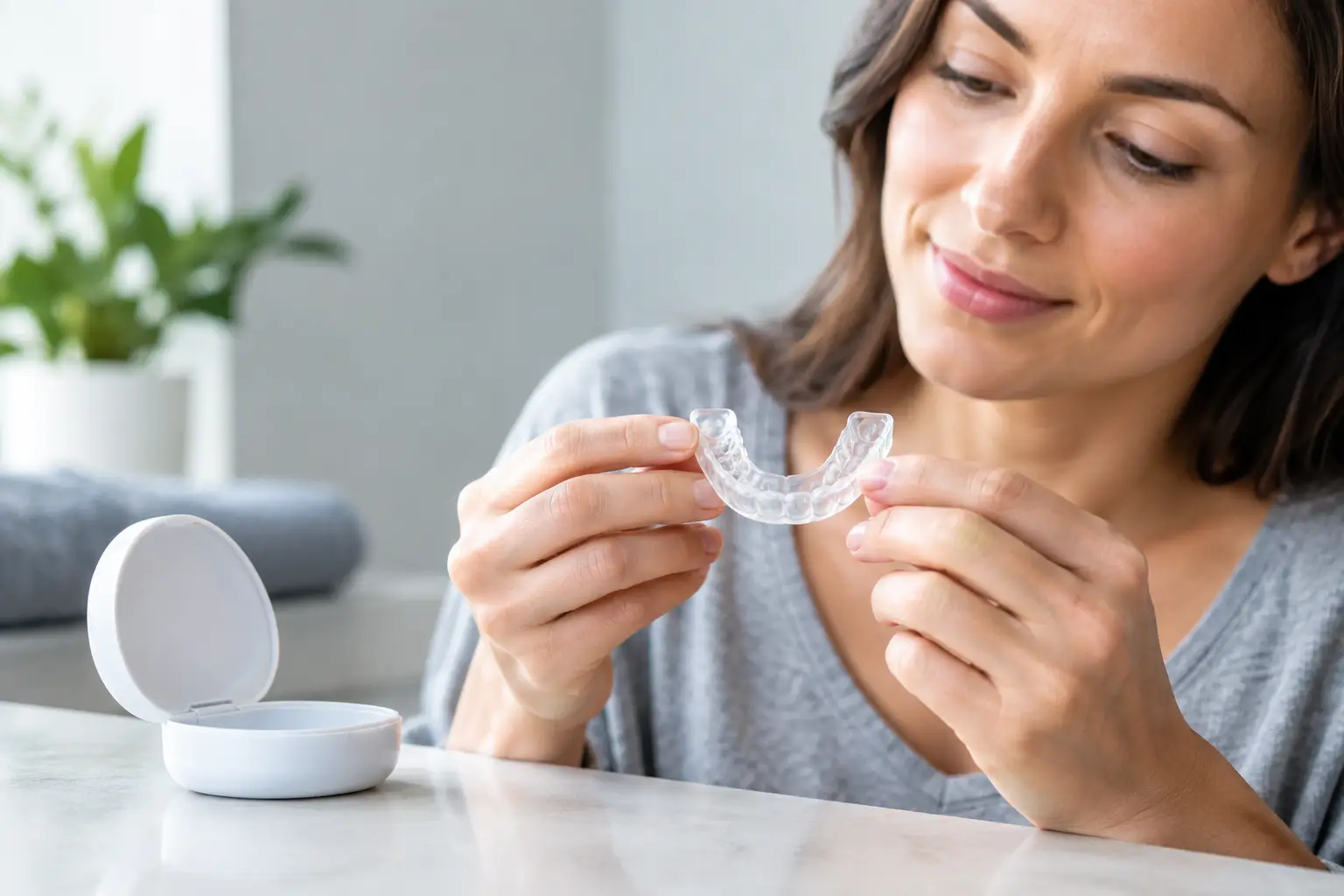
Waking up with a tight jaw, a dull headache, or teeth that feel strangely sensitive can make the morning start harder than it should. A mouthguard for teeth grinding can create a protective barrier between your upper and lower teeth while you sleep, helping reduce the wear caused by clenching and grinding. But the right guard is not necessarily the thickest one, the least expensive one, or the one that promises an instant fix.
Teeth grinding, also called bruxism, is common and often happens without you realizing it. Stress, sleep changes, bite concerns, certain medications, and sleep-related breathing issues can all play a role. A comfortable guard can protect your teeth, but it also works best as part of a clear plan that looks at why your jaw is under so much pressure in the first place.
What a Mouthguard for Teeth Grinding Actually Does
When you grind your teeth, the force can be surprisingly strong. Over time, that pressure may flatten the biting edges of teeth, chip fillings or crowns, crack enamel, and make existing sensitivity worse. Your jaw muscles can also become overworked, leading to soreness around the cheeks, temples, ears, or neck.
A nighttime mouthguard, often called a night guard or occlusal guard, separates the teeth so they do not rub directly against one another. It does not always stop the grinding motion itself. Instead, it helps protect the tooth surfaces and can distribute pressure more evenly.
That distinction matters. If you are hoping for a guard to eliminate every headache or completely relax your jaw overnight, you may be disappointed. Still, for many people, protecting teeth from further damage is a meaningful and practical first step.
Signs You May Need a Night Guard
Grinding is not always loud enough for a partner to hear. In fact, many people learn they have been clenching only after a dental exam reveals worn enamel or small fractures. You may benefit from an evaluation if you notice frequent morning jaw tension, headaches near your temples, tired facial muscles, tooth sensitivity without an obvious cavity, or teeth that appear shorter or flatter than before.
A chipped tooth, a loose filling, or repeated damage to crowns can also point to grinding. These signs do not automatically mean bruxism is the cause. Cavities, gum concerns, bite changes, and jaw joint conditions can create similar symptoms. That is why a dentist should assess the full picture rather than relying on a one-size-fits-all product.
Over-the-Counter vs. Custom Night Guards
There are several kinds of mouthguards available, and each comes with trade-offs. An over-the-counter guard may be appropriate as a short-term option while you wait for an appointment, especially if you need quick protection. However, fit and material quality matter more than most people expect.
Stock Guards
Stock guards come ready to wear in a few standard sizes. They are usually inexpensive, but they can feel bulky and may shift while you sleep. A loose or uncomfortable guard is less likely to be worn consistently. It can also make speaking or breathing difficult if you try to use it outside of sleep.
Boil-and-Bite Guards
Boil-and-bite guards soften in hot water and are molded at home. They can fit better than a stock guard, but the result depends on how accurately the material is shaped. If it is too thick, too thin, uneven, or distorted by repeated grinding, it may not provide reliable long-term protection.
Custom Dentist-Made Guards
A custom mouthguard for teeth grinding is made from an impression or digital scan of your teeth. Because it is designed for your bite, it tends to fit more precisely, stay in place more comfortably, and offer more durable protection. Your dentist can also choose the material and thickness based on the severity of your grinding, your dental work, and your jaw symptoms.
Custom guards generally cost more upfront than store-bought options. For someone with occasional mild clenching, that difference may feel hard to justify. For someone who has cracked teeth, extensive dental work, persistent pain, or a history of wearing through guards, a custom appliance can be a more sensible investment in protecting their smile.
A Night Guard Is Different From a Sports Mouthguard
Sports mouthguards are made to cushion blows to the mouth during athletic activity. Night guards are made to manage the forces created by clenching and grinding during sleep. They are not interchangeable.
A bulky sports guard may feel uncomfortable at night and can interfere with how your teeth come together. Likewise, a thin cosmetic retainer is not automatically designed to withstand grinding. If you already wear a retainer, aligner, or other dental appliance, ask your dentist before adding another device at night.
How to Know Whether Your Guard Fits Properly
A well-fitting night guard should feel secure but not painfully tight. It should cover the intended teeth evenly, without sharp edges pressing into the gums. You should be able to close your mouth comfortably, and the guard should not regularly fall out, slide around, or leave deep sore spots.
Give yourself a short adjustment period. It is normal for a new guard to feel unfamiliar for the first few nights. It is not normal to wake with worse pain, new tooth sensitivity, gum irritation, or a noticeable change in your bite that does not settle shortly after removing the guard.
If the appliance feels wrong, do not force yourself to keep using it night after night. A dentist can check the fit, smooth rough areas, and confirm that the guard is supporting your teeth appropriately.
Caring for Your Night Guard
A night guard spends hours in a warm, moist environment, so regular cleaning keeps it fresher and helps it last. Rinse it with cool water after each use and gently brush it with a soft toothbrush. Avoid hot water, which can warp many materials. Let the guard air-dry fully before placing it in its ventilated case.
Do not use abrasive toothpaste or harsh household cleaners, as they can scratch or damage the material. If you notice an odor, buildup, cracks, thinning, or a change in fit, bring it to your dental appointment. Even a durable custom guard needs periodic inspection, particularly if you grind heavily.
Keep the guard away from pets as well. Dogs are especially drawn to the smell and texture, and a chewed night guard may need to be replaced rather than repaired.
When Grinding Needs More Than a Mouthguard
A guard protects teeth, but some contributing factors need separate attention. If your grinding began suddenly, is paired with loud snoring, gasping during sleep, ongoing daytime exhaustion, or frequent waking, discuss those symptoms with a dentist or physician. Sleep-related breathing concerns can affect your overall health and may contribute to clenching.
You should also seek an exam promptly for a cracked tooth, swelling, severe jaw pain, limited ability to open your mouth, or a tooth that hurts when you bite. These are not symptoms to manage at home with a guard alone.
Stress can make clenching worse, particularly during demanding work periods or family changes. Small routines can help alongside dental care: avoid chewing gum when your jaw is sore, notice whether you hold tension in your jaw during the day, and give yourself a few quiet minutes before bed. If anxiety or stress feels difficult to manage, additional support can be worthwhile too. There is no judgment in needing help from more than one direction.
Getting Personalized Support for Grinding
At a dental visit, the goal is not to lecture you about grinding or make the process feel complicated. Your dentist can examine wear patterns, assess existing fillings, crowns, and gums, check how your bite comes together, and talk through your symptoms. From there, you can decide whether an over-the-counter option is reasonable for now or whether a custom guard is the better fit.
For patients who feel nervous about dental care, this should be a calm conversation, not a high-pressure decision. D on D Dental offers gentle, personalized support for East Toronto patients who want to protect their teeth and understand their options without surprises.
If your jaw is asking for attention every morning, listen to it. Booking an exam now can help you protect the smile you have while finding a more comfortable way to sleep.