
A brighter smile can feel like a small change with a very visible effect – especially before a wedding, job interview, reunion, or a season full of photos. But when comparing professional whitening versus whitening strips, the real question is not simply which option makes teeth look whiter. It is which approach fits your teeth, your timeline, your budget, and your comfort level.
Whitening is not one-size-fits-all. Some people want a gradual improvement from home. Others need more noticeable results before an event. If you have sensitive teeth, dental work near the front of your smile, or have not had a checkup in a while, a little guidance can make the process safer and far less frustrating.
Professional Whitening Versus Whitening Strips: The Main Difference
Both options use peroxide-based whitening ingredients to break down stains within tooth enamel. The difference is in the strength of the product, how precisely it is applied, and the support available if sensitivity or uneven color becomes a concern.
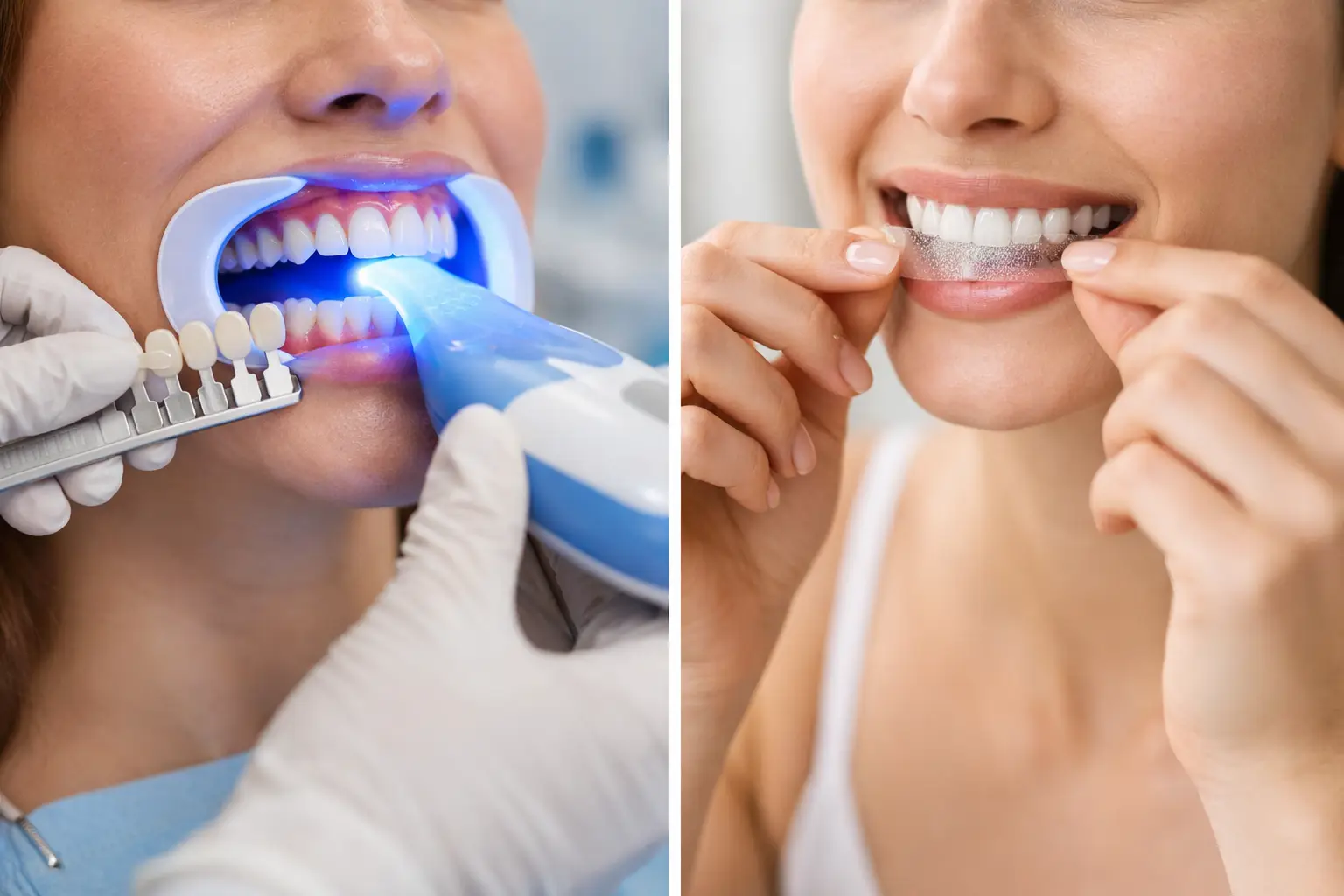
Whitening strips are over-the-counter products designed to fit a broad range of smiles. They are convenient, widely available, and usually less expensive upfront. You apply them at home for a set amount of time each day, often over one to two weeks.
Professional whitening is provided or supervised by a dentist. Depending on your needs, this may involve an in-office treatment, custom take-home trays, or a combination of both. The treatment is planned around your current oral health, desired shade, and history of sensitivity.
Neither choice is automatically right for everyone. The better option depends on what you are hoping to change and what is happening in your mouth now.
What Results Can You Expect?
Whitening strips offer gradual, modest change
For mild surface staining from coffee, tea, red wine, or tobacco, whitening strips can make a noticeable difference. They are often a practical choice for someone with generally healthy teeth who is patient, comfortable following directions carefully, and not looking for a dramatic change overnight.
Their limitation is coverage. Flat strips may not fully contact every curve of your teeth, especially around the gumline, between teeth, or on teeth that are slightly rotated. This can leave some areas lighter than others. Results also vary by brand, the original tooth color, and the type of stain involved.
Strips tend to work best on yellowish surface stains. Gray or brown discoloration, staining caused by certain medications, trauma to a tooth, or changes beneath the enamel may not respond as predictably.
Professional whitening provides more control
Professional treatment generally produces a more even and more noticeable color change because the whitening material is selected and applied with your smile in mind. In-office treatments can be a good fit when you want results quickly. Dentist-supervised take-home trays are often ideal for people who prefer gradual whitening but want a more customized fit than strips can provide.
A dental team can also help set realistic expectations. Natural teeth do not become paper-white in every case, and the most flattering result is often a healthy-looking shade that still suits your complexion and smile. The goal is a brighter smile that looks like you, not an artificial one.
Comfort and Sensitivity Matter
Tooth sensitivity is one of the most common reasons people stop whitening early. It may feel like a brief zing when you drink something cold, or a sharper discomfort that makes you dread the next application. Whitening strips can cause sensitivity when the peroxide touches the gums, when strips shift, or when they are used longer or more frequently than directed.
Professional whitening does not guarantee zero sensitivity, but it gives you more options for managing it. Your dentist can assess whether exposed roots, gum recession, enamel wear, cavities, or cracked teeth may be contributing. They may recommend a different schedule, a lower-strength formula, desensitizing products, or a pause between applications.
This is especially valuable if you have avoided dental visits because of anxiety. A calm conversation before treatment can prevent surprises later. Whitening should feel like an elective confidence boost, not something you have to push through in pain.
Why a Dental Exam Comes First
A whitening product can brighten enamel, but it cannot treat the issues underneath it. Cavities, inflamed gums, leaking fillings, and tooth pain deserve attention before cosmetic whitening begins. Applying whitening products over untreated dental problems can make discomfort worse and may delay care you genuinely need.
An exam also reveals something many people do not expect: crowns, veneers, bonding, fillings, and implants will not whiten. If you have a crown or bonding on a front tooth, whitening your natural teeth may create a color mismatch. Planning ahead gives you the chance to whiten first, then discuss whether an older restoration needs to be updated to match your new shade.
For patients with gum disease or significant buildup, a cleaning may be the first step. Sometimes removing surface stain during a professional cleaning already makes teeth look fresher and brighter, without any bleaching treatment.
Cost: Upfront Price Versus Overall Value
Whitening strips cost less at the store, which makes them appealing when you want to test the waters or maintain a professional result. However, it is worth considering the total experience, not only the price on the box. If strips do not sit well on your teeth, cause sensitivity, or leave uneven results, you may spend money without achieving the change you wanted.
Professional whitening has a higher upfront cost because it includes clinical assessment, customized treatment, and support. For someone preparing for an important event, managing sensitive teeth, or hoping for a more reliable result, that added guidance can be worthwhile.
Ask for transparent pricing before you begin. A friendly dental team should explain the available choices, likely timeline, and any additional care that may be recommended. There should be no pressure to choose the most expensive option.
Who Is a Good Candidate for Each Option?
Whitening strips may be a reasonable choice if your teeth and gums are healthy, your staining is mild, you have no major visible dental work, and you are comfortable with a gradual result. Follow the package instructions exactly. Using more product or leaving strips on longer will not reliably make teeth whiter faster, but it can increase irritation.
Professional whitening may be the better choice if you want a faster or more even result, have had sensitivity with strips before, or have questions about crowns, fillings, gum recession, or uneven color. It is also a sensible starting point if you are unsure whether your discoloration is from everyday staining or something that needs dental attention.
Pregnant or breastfeeding patients, children, and people with active dental problems should speak with a dentist before whitening. The same goes for anyone with persistent tooth pain, bleeding gums, or a tooth that has become darker than the others.
How to Help Your Results Last
Whitening is not permanent. Coffee, tea, dark berries, tomato sauce, red wine, and tobacco can gradually restain teeth. That does not mean you need to give up everything you enjoy. Drinking water after staining foods and drinks, keeping up with cleanings, and brushing with a gentle technique can help maintain your results.
For the first day or two after whitening, your dental team may suggest being especially mindful of deeply pigmented foods and beverages. If you drink coffee often, using a straw for iced drinks or rinsing with water afterward can make a practical difference over time.
Touch-ups are normal. The right timing depends on your habits, your tooth shade, and the whitening method used. Rather than repeatedly treating on your own when you notice discoloration, check in with your dentist about a maintenance plan that protects your comfort.
A Brighter Smile Should Still Feel Like Your Smile
Choosing between strips and professional treatment does not have to be complicated or stressful. Start with an honest look at your goals: Do you want a subtle refresh, a noticeable change before a special date, or help with a smile that has become uneven in color? A dental consultation can give you clear answers without judgment.
At D on D Dental, patients in East Toronto can discuss whitening in a calm, supportive setting and choose an option that makes sense for their smile and schedule. The best next step is the one that leaves you feeling informed, comfortable, and ready to smile without holding back.