A dental cleaning is easy to put off when work, school pickup, and everything else on the calendar feels more urgent. But the top benefits of regular dental cleanings are often the quiet ones: catching a small concern before it becomes painful, keeping your breath fresh, and helping you feel more confident each time you smile.
For many people, a cleaning is also a reset. It is time set aside for your health, with a dental team that can answer questions without judgment. Whether it has been six months or several years since your last visit, you deserve care that feels calm, clear, and manageable.
The Top Benefits of Regular Dental Cleanings
They remove buildup brushing cannot reach
Even careful brushing and flossing can leave plaque in tight spaces, along the gumline, and behind the lower front teeth. Plaque is a sticky film of bacteria that forms throughout the day. If it is not removed, it can harden into tartar, which cannot be brushed away at home.
During a professional cleaning, a hygienist removes plaque and tartar from areas that are easy to miss. This lowers the bacterial buildup that contributes to cavities and gum irritation. It is not a replacement for daily brushing and flossing, but it gives your home routine a much stronger foundation.
They help prevent gum disease from progressing
Bleeding gums, swelling, tenderness, or persistent bad breath can be early signs that your gums need attention. Gum disease often starts quietly, and it may not hurt in its early stages. That is one reason routine cleanings and exams matter so much.
When buildup stays below or near the gumline, inflammation can worsen over time. In more advanced cases, gum disease can affect the bone that supports your teeth and may lead to loose teeth or tooth loss. Regular cleanings help your dental team monitor gum health and recommend periodontal care when a standard cleaning is no longer enough.
This does not mean every spot of bleeding signals a serious problem. A new flossing routine, for example, can cause minor bleeding at first. Still, bleeding that continues is worth discussing rather than ignoring.
They support fresher breath and a cleaner feeling
Mouthwash and mints can temporarily cover bad breath, but they do not remove the bacteria and food debris that may be causing it. Professional cleanings address buildup in the places where odor-causing bacteria can collect.
Many patients notice that their mouth feels smoother and fresher after a cleaning. That clean feeling can also make daily brushing and flossing more motivating. If bad breath continues after a cleaning, your dentist can help look for other possible causes, including dry mouth, gum concerns, cavities, or factors outside the mouth.
They can find small problems before they interrupt your life
A brief exam at a routine visit can reveal changes you may not see or feel yourself. Early cavities, cracks in a filling, worn enamel, gum recession, and signs of tooth grinding can all be easier to manage when identified sooner.
Treating a small cavity with a filling is generally simpler than waiting until decay reaches the nerve and requires more extensive treatment. The same principle applies to damaged crowns, shifting teeth, and gum problems. Preventive visits do not guarantee that you will never need dental treatment, but they can reduce the chances of a surprise becoming an emergency.
Depending on your needs and dental history, your dentist may recommend X-rays at certain visits. X-rays help reveal concerns between teeth and below the gumline that are not visible during a regular visual exam. They are not needed at every appointment for every patient, which is why your care plan should be personalized.
They help protect the appearance of your smile
Coffee, tea, red wine, berries, tobacco, and some medications can leave surface stains on teeth. A professional cleaning can remove many external stains and make your smile look brighter without changing the natural color of your teeth.
A cleaning is different from whitening. Whitening treatments are designed to lighten the shade of the tooth itself, while a cleaning primarily removes surface buildup and stains. If you are considering whitening, veneers, Invisalign, or other cosmetic care, starting with a healthy, clean mouth helps your dentist give more useful guidance.
They create a useful record of your oral health
Your mouth changes over time. By seeing you regularly, your dental team can compare your gum measurements, X-rays, bite, restorations, and other findings from one visit to the next. A small change is often easier to recognize when there is a clear baseline.
This continuity is especially helpful for families. Children, teens, adults, and older adults all have different dental needs, from cavity prevention and orthodontic monitoring to managing dry mouth, crowns, implants, or dentures. Routine visits allow care to evolve with each stage of life.
What a Dental Cleaning Appointment Usually Includes
A cleaning appointment is not meant to be a lecture or a test of how perfectly you have brushed. It is a chance to understand what is happening in your mouth and get practical support.
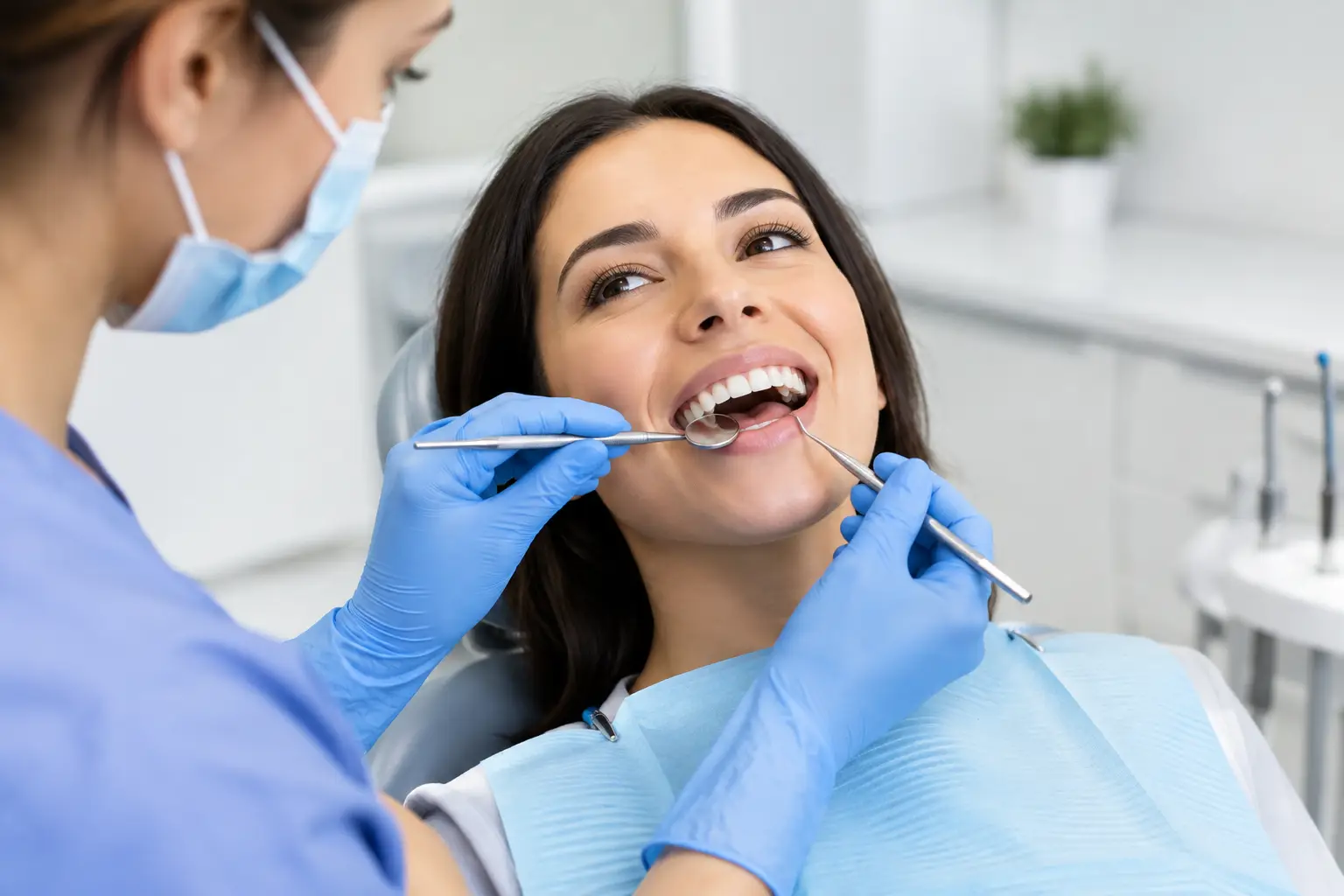
Your visit commonly includes a review of your health history, an examination of your teeth and gums, and cleaning to remove plaque and tartar. Your hygienist may polish your teeth and offer straightforward tips based on what they see, such as changing your brushing angle, using floss picks, or discussing dry mouth. Your dentist may also check your bite, existing dental work, and any areas that need follow-up.
If you feel nervous, say so when you book and again when you arrive. A compassionate team can explain each step, take breaks when needed, and work at a pace that feels more comfortable. There is no prize for pushing through anxiety in silence.
How Often Should You Schedule a Cleaning?
For many patients, a cleaning and exam every six months is a common recommendation. However, the right schedule depends on your individual oral health. People with gum disease, frequent cavities, diabetes, dry mouth, tobacco use, orthodontic appliances, or certain medications may benefit from more frequent visits.
On the other hand, your dentist may recommend a different interval based on low risk and stable oral health. The best schedule is not a one-size-fits-all rule. It is a plan that reflects your gums, cavity history, home care habits, and overall health.
Cost can also be a real concern, particularly for families coordinating multiple appointments. Asking about insurance coverage, payment options, and available public dental benefits before treatment can make planning easier. Clear information upfront helps prevent financial uncertainty from becoming a reason to delay care.
If It Has Been a While, Start Where You Are
Avoiding the dentist is common, especially after a difficult past experience, a busy season, or concern about what a visit might reveal. The good news is that returning to care does not require an apology. It simply starts with an appointment and an honest conversation about what you need.
At D on D Dental, patients can expect a gentle, judgment-free approach focused on comfort and clear next steps. For busy East Toronto families and professionals, convenient scheduling can make it easier to keep preventive care from slipping off the calendar.
A regular cleaning may take only part of an afternoon, but the reassurance can last much longer. Choose a time that works, share any concerns openly, and let your next visit be a simple step toward feeling comfortable, healthy, and confident in your smile.