
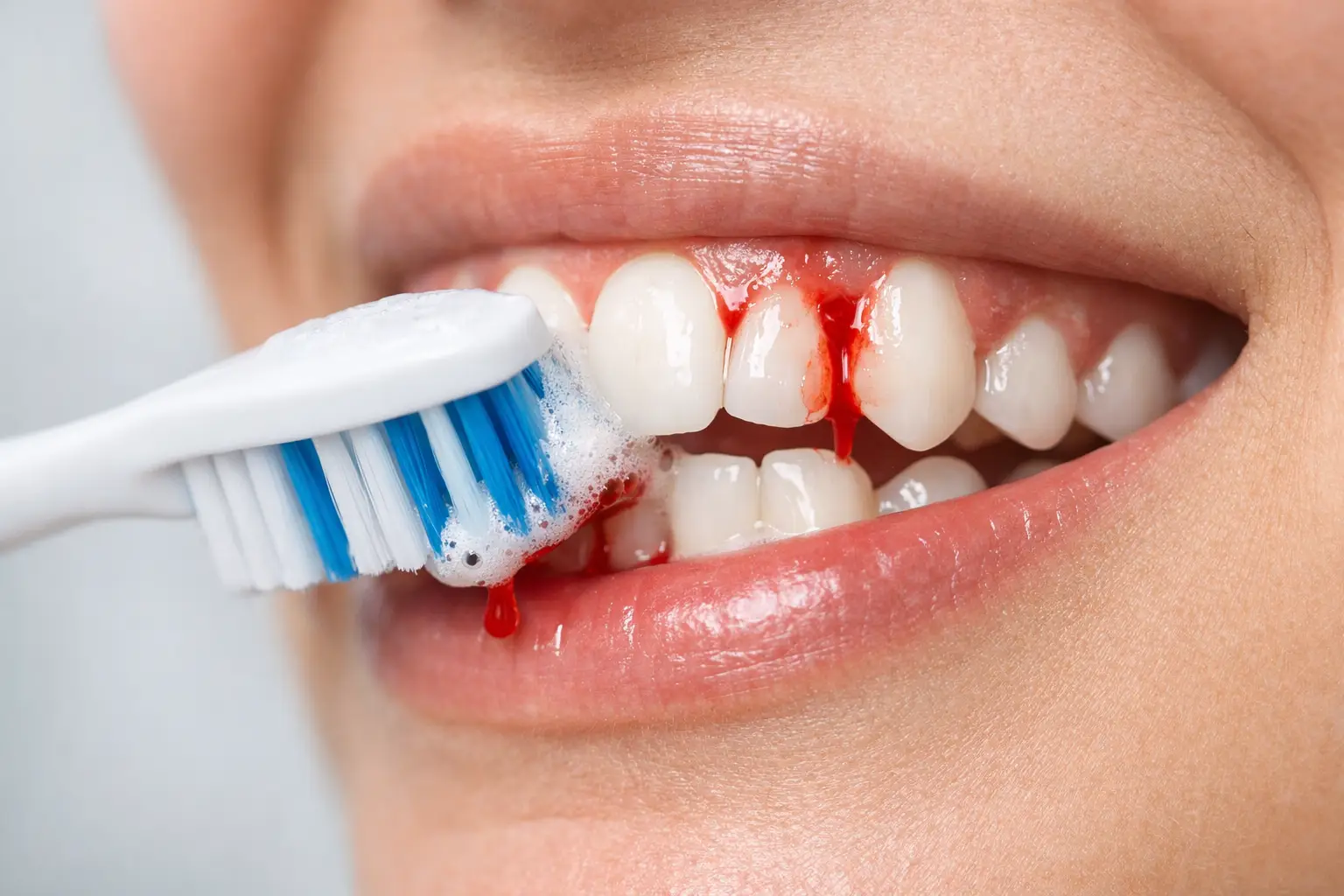
You spit into the sink, see a little pink in the foam, and immediately wonder, why do gums bleed when brushing? For many people, that moment brings a mix of worry and guilt – especially if it has been a while since the last cleaning. The good news is that bleeding gums are common, and in many cases, they can improve with the right care.
Most of the time, gums bleed because they are irritated or inflamed. That inflammation often starts with plaque, which is the sticky film of bacteria that builds up along the gumline. When plaque sits there too long, your gums can become tender, swollen, and more likely to bleed during brushing or flossing.
Why do gums bleed when brushing most often?
The most common reason is gingivitis, which is the earliest stage of gum disease. Gingivitis happens when plaque is not removed thoroughly and consistently. Your body reacts to the bacteria, and the gums become inflamed. They may look red instead of pink, feel puffy, and bleed more easily.
This is one of the reasons dentists encourage patients not to stop brushing when they see blood. It can feel natural to back off because the area seems sensitive, but gentler and more consistent cleaning is usually what helps. If plaque remains on the teeth and along the gums, the irritation tends to continue.
That said, it is not always as simple as brushing better. Sometimes technique, tools, medications, or health changes are part of the picture too.
Other causes of bleeding gums
A toothbrush that is too hard or brushing too aggressively can irritate the gums. Many people think they need to scrub to get their teeth truly clean, but gums do better with a soft-bristled brush and light pressure. If your brush splays out quickly, that can be a sign you are brushing too hard.
Flossing can also cause bleeding at first, especially if you are just getting back into the habit. That does not necessarily mean flossing is harming your gums. More often, it means the gums are already inflamed, and regular flossing helps them heal over time. If bleeding continues for more than a week or two with gentle daily flossing, it is worth having it checked.
Hormonal changes can make gums more sensitive as well. Pregnancy, puberty, menopause, and even some menstrual cycle changes can increase gum tenderness and bleeding. In these situations, the gums may react more strongly to plaque that might otherwise cause milder irritation.
Certain medications can play a role. Blood thinners may make bleeding more noticeable, while some medications can cause dry mouth or gum overgrowth, which can make oral hygiene harder. Smoking is another major factor. It can mask some gum disease symptoms early on, then contribute to more serious gum damage over time.
There are also cases where bleeding gums point to a larger health issue, such as vitamin deficiencies, uncontrolled diabetes, or immune-related conditions. That does not mean every episode of bleeding is serious, but it does mean persistent bleeding should not be ignored.
When bleeding gums are a sign of gum disease
If your gums bleed now and then after a particularly vigorous brushing session, the cause may be mild irritation. But if they bleed often, the concern shifts more toward gum disease.
Gingivitis is still reversible. With professional cleanings and consistent home care, many people can get their gums back to a healthier state. The challenge is that gingivitis does not always stay mild. If it progresses, it can turn into periodontitis, which is a more advanced form of gum disease.
With periodontitis, the inflammation affects the deeper structures that support your teeth. You might notice persistent bad breath, gum recession, tenderness, loose teeth, or changes in the way your bite feels. At that point, home care alone is usually not enough. Treatment may involve a deeper cleaning and ongoing periodontal care.
This is where early attention matters. Bleeding is often one of the first warning signs, and it is much easier to address gum disease before it becomes more serious.
Why do gums bleed when brushing even if you brush every day?
Brushing every day is important, but frequency is only one part of the story. If plaque is left near the gumline, if you are missing the spaces between teeth, or if tartar has already formed, your gums can still become inflamed.
Technique matters. A soft brush angled gently toward the gumline usually works better than forceful back-and-forth scrubbing. The same goes for flossing. Done consistently and carefully, it helps remove the bacteria your toothbrush cannot reach.
Timing matters too. If it has been a long time since your last dental cleaning, hardened buildup may be contributing to the problem no matter how well you brush at home. Once plaque turns into tartar, it cannot be brushed away. It needs to be removed professionally.
And sometimes, bleeding gums are the result of a mix of issues. A little inflammation, a rushed brushing routine, skipped flossing, stress, dry mouth, and a delayed checkup can all add up.
What you can do at home
The first step is usually not to panic and not to stop brushing. Instead, make your routine gentler and more thorough.
Use a soft-bristled toothbrush and brush twice a day with light pressure. If you use an electric toothbrush, let it do the work rather than pushing hard against the teeth and gums. Floss once a day, even if there is a little bleeding at first. In many mild cases, the gums improve as inflammation comes down.
It can also help to pay attention to the basics. Replace an old toothbrush, stay hydrated, and keep sugary snacks and drinks from constantly feeding the bacteria in your mouth. If you smoke, reducing or quitting can make a real difference for your gum health.
A warm saltwater rinse may soothe irritated gums, but it is not a substitute for treatment if the problem keeps returning. Antiseptic mouthwash may help in some cases, but it depends on the cause. If the bleeding is being driven by tartar buildup or deeper gum disease, mouthwash alone will not fix it.
When it is time to see a dentist
If your gums bleed for more than a week or two despite consistent gentle brushing and flossing, it is time to schedule a visit. The same is true if the bleeding is heavy, happens often, or comes with pain, swelling, bad breath, gum recession, or loose teeth.
For patients who feel nervous about making that appointment, this is worth saying clearly: bleeding gums are common, and a good dental team will not judge you. They will look for the cause, explain what is going on in simple terms, and help you move forward step by step.
A dental exam may include checking for plaque and tartar buildup, measuring the health of the gums, reviewing medications, and looking at whether there are signs of infection or more advanced gum disease. In some situations, X-rays are needed to see whether the bone around the teeth has been affected.
If the cause is early gingivitis, treatment may be as straightforward as a professional cleaning and better home care guidance. If it is more advanced, you may need deeper periodontal treatment. Either way, getting clear answers usually brings relief.
At a practice like D on D Dental, the goal is not to make you feel blamed for the bleeding. It is to help you feel comfortable, informed, and supported while your gums heal.
A few situations that should not wait
If your gums are bleeding a lot, if you have pus around the gumline, if a tooth feels loose, or if your mouth is painful and swollen, do not put it off. Those signs can point to an infection or more advanced gum disease that needs prompt attention.
You should also check in with your dentist or physician if the bleeding seems out of proportion, starts suddenly, or happens along with unusual bruising or other changes in your overall health. Sometimes the mouth gives an early clue that something else is going on.
Seeing blood when you brush can be unsettling, but it is also useful information. Your gums are telling you they need attention, and the earlier you listen, the easier it usually is to get things back on track.