
Bleeding when you brush is easy to brush off – especially if you are rushing out the door or helping kids get ready for school. But it is one of the earliest signs that your gums need more attention. If you have been wondering how to prevent gum disease, the good news is that small, consistent habits make a real difference, and you do not need a perfect routine to protect your smile.
Gum disease usually starts quietly. You may notice a little redness, tenderness, or bleeding when flossing, then nothing else for a while. That is part of what makes it so common. Early gum irritation, called gingivitis, can often be improved with better home care and regular professional cleanings. Once it progresses deeper into the tissues and bone, treatment becomes more involved.
How to prevent gum disease at home
The most effective home routine is also the least glamorous: brush well, clean between your teeth, and stay consistent. Plaque is a sticky film of bacteria that forms on teeth every day. If it is not removed, it hardens into tartar and irritates the gums. At that point, brushing alone cannot fully solve the problem.
Brush twice a day for two full minutes with a soft-bristled toothbrush and fluoride toothpaste. Gentle technique matters more than scrubbing hard. Aggressive brushing can wear down enamel and irritate the gumline, which is the opposite of what you want. Angle the bristles toward the gums and use small, controlled motions.
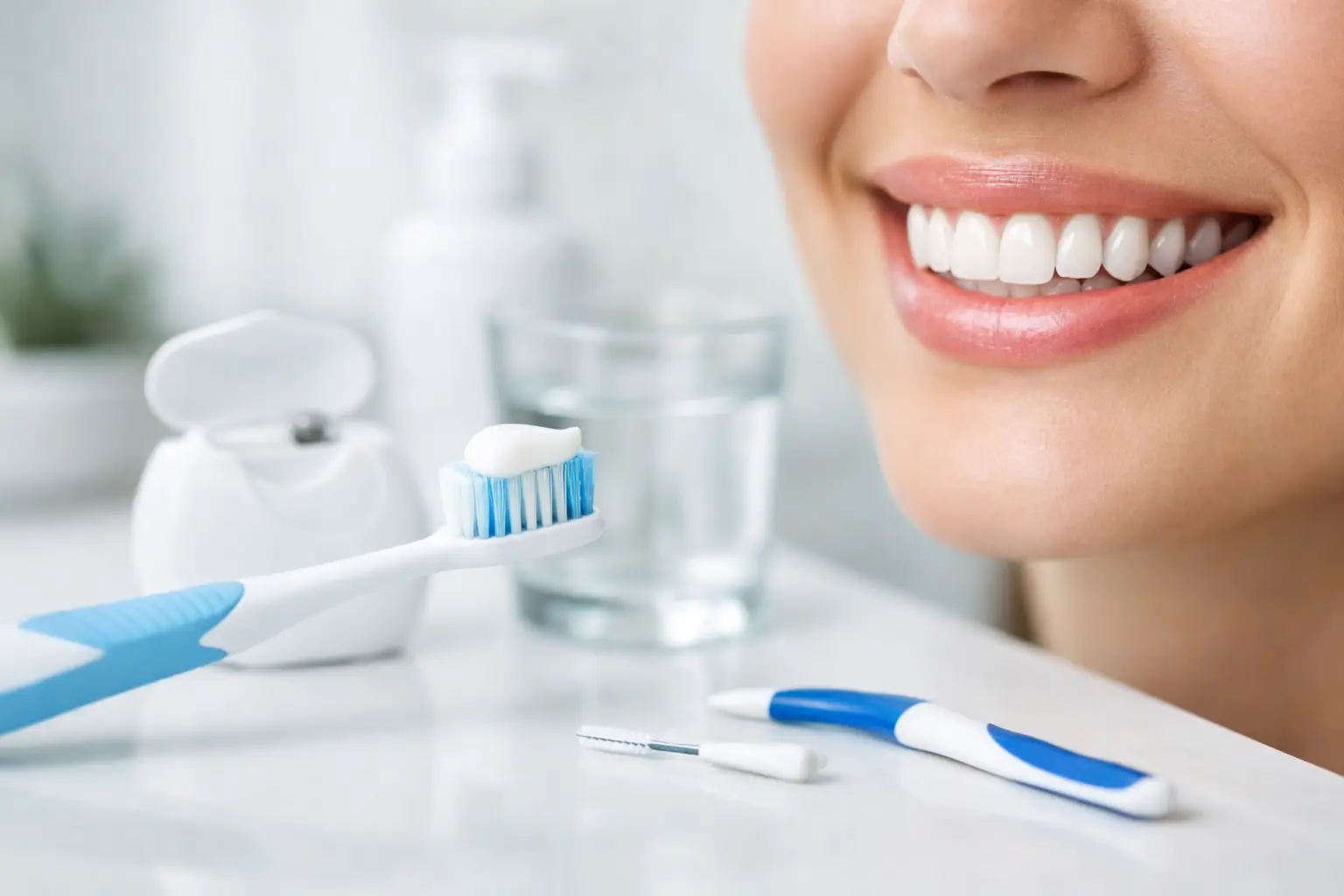
Cleaning between the teeth once a day matters just as much. Floss is the classic option, but it is not the only one. If traditional floss feels awkward, floss picks, interdental brushes, or a water flosser may be easier to stick with. The best choice is the one you will actually use every day. Consistency beats good intentions.
Mouthwash can help, but it is not a replacement for brushing and flossing. An antibacterial or fluoride rinse may reduce bacteria and support gum health, especially if you are prone to inflammation or cavities. Still, it works best as an add-on, not the foundation of your routine.
Why gum disease happens even when you brush
This is where many people feel frustrated. They brush every day, so why are their gums still sore or bleeding?
The answer is usually not neglect. It is often technique, missed areas, or a buildup that has been there longer than expected. The gumline and spaces between teeth are easy to miss, especially around back molars, crowded teeth, bridges, and braces. If plaque remains in those areas day after day, inflammation can start even in people who feel they are doing everything right.
There are also risk factors that change the picture. Smoking and vaping can make gum disease more likely and can hide warning signs by reducing bleeding. Dry mouth, certain medications, diabetes, hormonal changes, stress, and immune system conditions can also affect the gums. Pregnancy is a common example. Some people notice more gum sensitivity even when their routine has not changed.
That is why prevention is not one-size-fits-all. A teenager with braces, a parent running on too little sleep, and an older adult managing medications may all need slightly different tools and timing.
Early signs you should not ignore
Gum disease does not always hurt at first. In fact, painless symptoms are common in the early stages. That is one reason people delay care.
Watch for gums that bleed when brushing or flossing, look red or puffy, feel tender, or seem to be pulling away from the teeth. Persistent bad breath can also be a clue. In more advanced cases, you may notice loose teeth, sensitivity near the roots, or changes in how your bite feels.
If you are only seeing blood once in a while, that does not mean it is harmless. Healthy gums generally do not bleed during normal brushing and flossing. A little blood is often the body’s way of asking for help before the problem gets worse.
The role of dental cleanings in preventing gum disease
If you want to know how to prevent gum disease long term, regular dental visits are part of the answer. Home care is essential, but it cannot remove tartar once it has formed. Professional cleanings remove hardened buildup above and below the gumline and give your dentist or hygienist a chance to spot early inflammation before it becomes more serious.
For many people, a cleaning and exam every six months works well. For others, especially those with a history of gum disease, smoking, diabetes, or heavy tartar buildup, more frequent visits may be recommended. That is not a punishment. It is simply more appropriate support for the level of risk.
This is also where a judgment-free dental office matters. People often postpone care because they are embarrassed about bleeding gums, overdue appointments, or inconsistent home habits. But delaying treatment usually makes things harder, more expensive, and more uncomfortable. Calm, personalized care helps patients address the problem early, when it is easier to manage.
Daily habits that quietly protect your gums
Some of the best prevention strategies happen outside the bathroom.
Drinking enough water helps rinse away food particles and supports saliva, which protects your mouth naturally. If you deal with dry mouth, staying hydrated becomes even more important. Chewing sugar-free gum can also stimulate saliva between meals.
Food choices matter too. A diet high in sugary snacks and drinks feeds the bacteria that irritate the gums. That does not mean you need a perfect diet to have a healthy mouth. It does mean that frequent sugar exposure, especially all day long, raises the risk. Try to keep sweets with meals rather than constant snacking, and rinse with water afterward if brushing is not possible.
Tobacco use is one of the biggest risk factors for gum disease. If you smoke or vape, cutting back or quitting can improve not only your gum health but also how well your mouth heals after treatment. This can be a difficult change, and support matters. Progress counts.
Stress is another factor people do not always connect to oral health. High stress can affect immune response, lead to clenching or grinding, and make routines harder to maintain. If your brushing and flossing habits tend to slip during busy seasons, that is normal. The goal is to reset quickly, not give up because things have been imperfect for a week or two.
If your gums already bleed, what to do next
Start by improving your routine gently, not aggressively. Brush twice a day with a soft brush. Clean between your teeth daily. Give it a week or two of steady care and see whether the bleeding improves.
Do not stop flossing just because you see blood. That is a common reaction, but it often makes inflammation worse. Bleeding from swollen gums usually happens because the area needs more plaque removal, not less. The key is to be gentle and consistent.
If bleeding continues, or if your gums are sore, swollen, or pulling back, schedule a dental visit. You may need a professional cleaning, a deeper periodontal evaluation, or guidance on better tools for your mouth. If dental anxiety has kept you away, say that upfront. A supportive team can adjust the pace, explain what is happening clearly, and make the experience feel much more manageable.
Gum disease prevention for busy families
For families, prevention often comes down to making routines easier rather than aiming for perfection. Keep floss picks where you will actually use them. Replace worn toothbrushes on time. Set a two-minute timer for kids and adults alike. If evenings are chaotic, do not underestimate the value of a solid nighttime routine, even if the morning one is rushed.
For adults juggling work, school drop-offs, and everything else, convenience matters too. Booking regular appointments before there is a problem is often the simplest way to stay ahead of gum issues. At D on D Dental, we see how much easier prevention becomes when care feels approachable, flexible, and free of pressure.
Healthy gums are usually built through ordinary moments – a careful brushing before bed, a floss pick in the carpool line, a cleaning you almost postponed but kept anyway. If your gums have been trying to get your attention, taking that first small step now can spare you a much bigger problem later.