
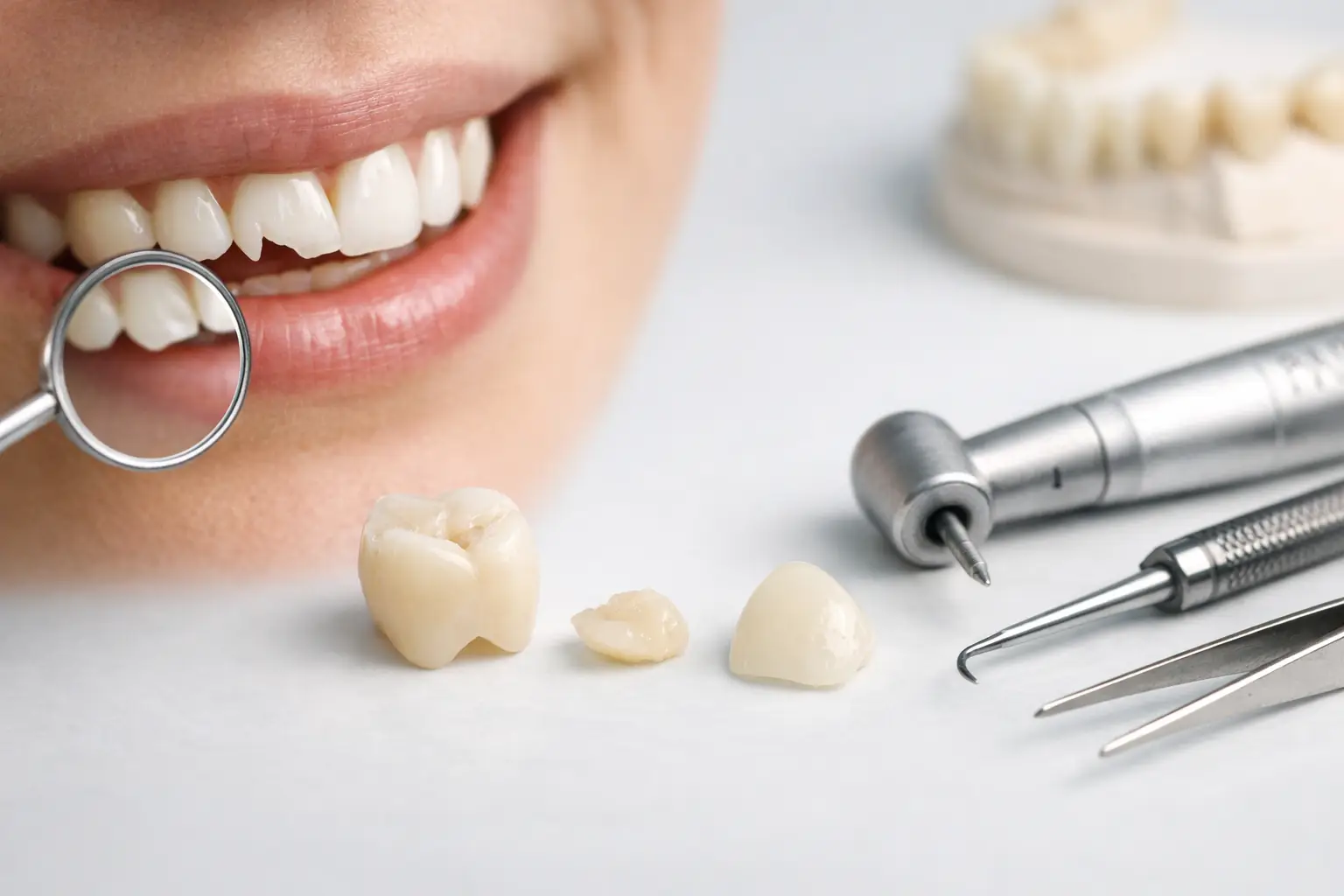
A broken tooth can happen in one quick moment: biting an olive pit, taking a fall, losing an old filling, or noticing a crack while brushing. It can feel alarming, especially if you are in pain or worried about how your smile looks. The good news is that there are several broken tooth repair options, and the right one depends on how much tooth structure remains, where the damage is, and whether the nerve has been affected.
You do not have to figure it out alone. A dentist can assess the tooth, explain what they see in plain language, and recommend a treatment that protects both your comfort and your long-term oral health. If dental visits make you nervous, asking for support is more than okay. Gentle care, breaks when needed, and clear answers can make the process much easier.
What to Do Right After You Break a Tooth
If you have severe pain, swelling, uncontrolled bleeding, a tooth that has been knocked loose, or a break caused by a significant injury, contact an emergency dentist as soon as possible. Fast care may help save the tooth and can prevent infection or further damage.
For a chipped, cracked, or broken tooth, rinse your mouth gently with warm water. If you can find a broken piece, place it in milk or saliva and bring it to the appointment. A cold compress on the outside of your cheek may help with swelling. Try not to chew on that side, and avoid very hot, cold, sugary, or hard foods until you are seen.
Do not try to glue a tooth back together at home. Household adhesives are not safe for the mouth and can make professional repair more difficult. If a sharp edge is irritating your tongue or cheek, temporary dental wax from a pharmacy may offer short-term relief.
Broken Tooth Repair Options Your Dentist May Recommend
There is no one-size-fits-all repair. Some small chips need only a simple cosmetic touch-up, while a deeply fractured tooth may need treatment beneath the gumline. Your dentist may take X-rays and test the tooth to see whether the root and nerve are healthy before recommending the next step.
Dental Bonding for Small Chips and Worn Edges
Dental bonding is often a practical choice for a small chip, a rough edge, or a visible break near the front of the mouth. Your dentist applies a tooth-colored composite resin, shapes it to blend with your natural tooth, and hardens it with a special light.
Bonding is usually completed in one visit and often requires little to no removal of healthy tooth structure. It is also generally less costly than a veneer or crown. The trade-off is durability: resin can stain, chip, or wear down over time, particularly for people who bite their nails, chew ice, or grind their teeth.
A Dental Filling for Damage Caused by Decay
Sometimes a tooth breaks because decay has weakened it around an existing filling or beneath the surface. If enough healthy tooth remains, a new filling may restore the damaged area and seal the tooth from bacteria.
A filling works best when the break is limited and the tooth does not need full coverage. If a large portion of the chewing surface is missing, a filling alone may be more likely to crack under pressure. In that case, your dentist may recommend a stronger restoration.
Veneers for Select Front-Tooth Breaks
A veneer is a thin, custom-made shell that covers the front surface of a tooth. It can be an option for a front tooth with a moderate chip or fracture, especially when improving shape, color, or symmetry is also a goal.
Veneers can create a very natural-looking result, but they are not appropriate for every broken tooth. They generally require some enamel preparation and do not provide the same all-around protection as a crown. If the tooth is structurally weak or the break extends to the back or side, a crown is often the safer choice.
Dental Crowns for Larger Breaks
A crown is a custom cover that fits over the entire visible portion of a tooth. It is one of the most common broken tooth repair options when a large section is missing, a cusp has fractured, or the tooth has become weak after a large filling or root canal treatment.
Crowns are designed to restore strength, shape, and function. Depending on the tooth and your bite, a dentist may recommend porcelain, ceramic, zirconia, or another durable material. The process typically involves preparing the tooth, taking a digital or physical impression, and placing the final crown after it has been made.
While crowns involve more treatment than bonding, they can be a worthwhile investment when protecting a tooth that would otherwise continue to crack. A crown cannot fix every fracture, though. A crack that runs deeply down the root may mean the tooth cannot be saved.
Root Canal Treatment When the Nerve Is Exposed
A break that reaches the inner nerve tissue can cause intense sensitivity, lingering pain, or infection. You may not always feel immediate pain, which is one reason a prompt exam matters after a significant break.
Root canal treatment removes damaged or infected tissue from inside the tooth, cleans the root canals, and seals them. The tooth is then commonly protected with a crown, particularly if it is a back tooth that handles heavy chewing force. Despite its reputation, modern root canal treatment is designed to relieve pain, not create it. Numbing options and a calm, patient-centered approach can make a real difference for anxious patients.
Extraction and Tooth Replacement for Teeth That Cannot Be Saved
When a tooth has a severe vertical root fracture, extensive decay, or too little healthy structure left to support a restoration, extraction may be the healthiest option. Hearing that a tooth needs to be removed can be disappointing, but replacing it can restore function and help prevent neighboring teeth from shifting.
Replacement options may include a dental implant, a bridge, or a partial denture. A dental implant replaces the root with a small post and supports a natural-looking crown. It is a long-lasting option for many patients, though it requires adequate bone and healing time. A bridge can replace a missing tooth by attaching to neighboring teeth, while a removable partial denture may be a more affordable solution in some situations.
How Dentists Choose the Right Repair
The visible chip is only part of the picture. Your dentist will consider the size and direction of the fracture, the amount of healthy tooth left, whether the tooth is in the smile line or a heavy-chewing area, and the health of the root and surrounding gums.
Your bite matters, too. A tooth that looks fine after repair can fail early if nighttime grinding or clenching is not addressed. If you grind your teeth, a custom night guard may help protect a new crown, bonding, or veneer. For patients with repeated fractures, your dentist may also look at bite alignment and habits such as chewing pens or ice.
Cost is understandably part of the decision. Ask for a clear explanation of the recommended treatment, alternatives, expected longevity, and what your insurance may cover. If you are using the Canadian Dental Care Plan or need to discuss payment options, the dental team can help you understand the practical details before treatment begins. No surprises, just support.
Can You Wait to Repair a Broken Tooth?
A tiny chip without pain may not require same-day treatment, but it is still worth scheduling an exam. Even small fractures can create a rough surface, trap bacteria, or spread over time. A broken tooth should never be ignored if it is painful, sensitive, changing color, swollen, or difficult to bite on.
Seek urgent help if you develop facial swelling, fever, a bad taste in your mouth, severe throbbing pain, or trouble swallowing or breathing. These can be signs of infection that need prompt attention.
For patients in East Toronto, D on D Dental can help assess a broken tooth and talk through treatment in a calm, judgment-free setting. Whether the repair is as simple as smoothing a chip or as involved as restoring a severely damaged tooth, the goal is the same: help you feel comfortable, protect your smile, and get you back to eating and speaking with confidence.
A broken tooth is rarely convenient, but timely care can often turn a stressful surprise into a manageable repair. Take the pressure off yourself by booking an evaluation and letting a caring dental team walk you through the next step.