
A racing heart in the waiting room can make even a simple cleaning feel overwhelming. When comparing oral sedation versus nitrous, the right choice is not about being “better” at dental visits. It is about choosing the level of support that helps you feel safe, comfortable, and able to receive the care you need.
At a calm, judgment-free dental practice, sedation is one tool for making care more manageable. Your dentist will consider your health history, the treatment you need, your previous experiences, and what makes you anxious before recommending an option. Here is what patients should know before deciding.
Oral Sedation Versus Nitrous: The Main Difference
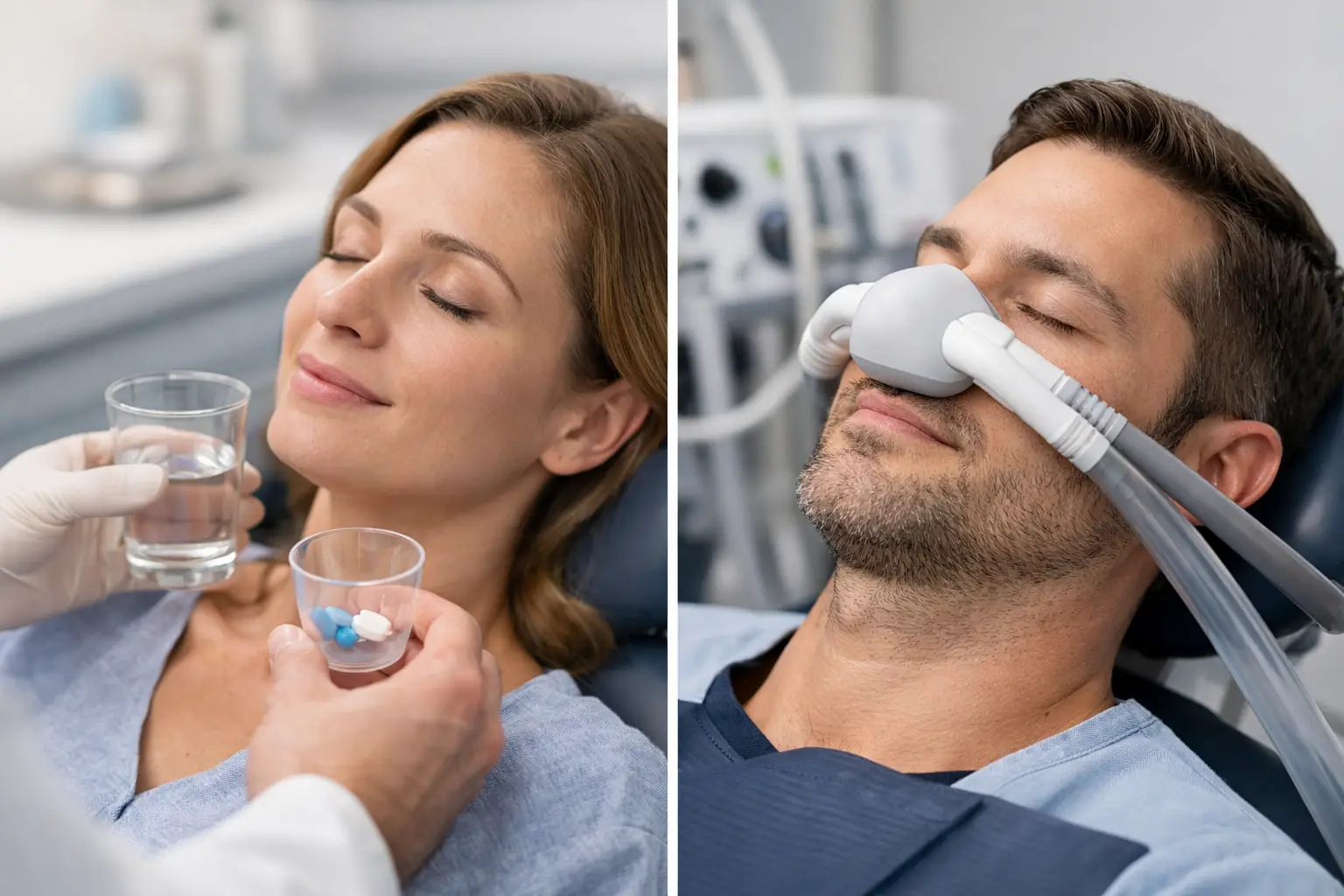
Nitrous oxide is an inhaled sedative, commonly called laughing gas. You breathe it through a small mask placed over your nose during treatment. It usually creates a relaxed, light, floaty feeling while you remain awake and able to respond to the dental team.
Oral sedation involves taking a prescribed sedative medication by mouth before your appointment. It generally produces a deeper level of relaxation than nitrous. You are still typically conscious and able to communicate, but you may feel drowsy, less aware of time, and may remember little of the procedure afterward.
Both options are meant to reduce anxiety, not replace local anesthetic. If a procedure could cause discomfort, your dentist will still numb the treatment area. Sedation helps with fear, tension, and the sensory stress of treatment; local anesthetic helps prevent pain.
When Nitrous May Be a Good Fit
Nitrous is often a practical option for patients who want anxiety relief but also need a quick return to the rest of their day. Its effects begin within minutes, and the gas is adjusted throughout the appointment based on how you are feeling. Once treatment is complete, you breathe oxygen for a short period to clear the effects.
Many people feel back to normal quickly afterward and can usually drive themselves home, provided their dentist confirms they are ready. That convenience can matter for busy parents, professionals, and anyone fitting dental care around a full schedule.
Nitrous may be helpful for a routine filling, cleaning, crown appointment, or a shorter procedure when anxiety is mild to moderate. It can also work well for someone who feels nervous about the sounds, sensations, or loss of control that can come with treatment, but does not want to feel heavily sedated.
The trade-off is that nitrous may not provide enough support for severe anxiety, a strong gag reflex, or a lengthy appointment. It also requires comfortable nasal breathing. A significant cold, congestion, or certain medical factors can make it less suitable that day.
When Oral Sedation May Be a Better Choice
Oral sedation may be considered when dental anxiety is more intense or when someone has delayed care for years because fear has become a barrier. It can also be useful for longer or more involved treatments, such as multiple restorations, extractions, or other procedures that may be difficult to get through while fully alert.
The medication is taken before the visit according to your dentist’s instructions, often with enough time for its calming effects to begin before treatment. Patients commonly describe feeling very relaxed or sleepy. Time may seem to pass quickly, which can be especially reassuring if the length of an appointment is part of the worry.
Because oral sedation can affect alertness and coordination for several hours, you will need a responsible adult to bring you to the appointment and take you home. You should not drive, operate machinery, make major decisions, or plan to return to work afterward. It is wise to leave the remainder of the day open for rest.
This option also calls for more preparation. Your dental team may give you instructions about food, drinks, regular medications, and what to wear. Follow those instructions closely. Do not take an additional dose, borrow medication, or combine your sedative with alcohol, cannabis, sleep aids, or other substances unless the dentist who prescribed it has specifically advised you to do so.
Comfort Is Not the Only Factor
The choice between oral sedation and nitrous is personal, but it should always be clinically guided. A good consultation includes an honest review of your medical history, current medications, allergies, sleep-related breathing concerns, and past reactions to sedation or anesthesia.
Your dentist will also look at the type of treatment planned. A patient having a brief filling may appreciate nitrous because recovery is fast. Someone who has avoided several needed appointments and wants more extensive care completed with less stress may prefer oral sedation, if it is appropriate for their health.
Cost can differ as well. Nitrous is often billed by appointment or treatment time, while oral sedation may involve medication planning, monitoring, and a longer visit. Insurance coverage varies considerably, especially when sedation is used for anxiety rather than a medical necessity. Asking for an estimate beforehand can remove uncertainty. No surprises, just support and a clear conversation about your options.
What Your Appointment Will Feel Like
With nitrous, the experience is usually straightforward. You settle into the chair, breathe through the nose mask, and begin to feel calmer within a few minutes. Some patients notice warmth, tingling, lightness, or a mild sense of detachment from the activity around them. Your dental team continues to check in and can adjust the level as needed.
With oral sedation, the relaxed feeling is often more pronounced. You may be drowsy by the time you arrive or soon after you are seated. The dental team monitors you throughout the procedure, and you can signal if you need a pause. Bringing a trusted support person can make the day feel easier from the moment you leave home.
Neither option should make you feel ignored or powerless. You can still discuss a stop signal before treatment begins, ask what will happen next, request breaks, and share concerns. Sedation works best alongside kind communication, not instead of it.
How to Decide Before You Book
Start by naming what is making the appointment hard. Is it the needle, the drill sound, a sensitive gag reflex, a past difficult experience, or the worry that you will not be able to sit still? The answer helps your dentist recommend a level of support that fits your needs rather than offering a one-size-fits-all solution.
It can help to tell the office about your anxiety when you book. That gives the team time to schedule appropriately, review whether sedation is an option for your treatment, and explain any preparation or transportation requirements. For patients in East Toronto, D on D Dental can also help make the conversation feel simple and low-pressure before you commit to a treatment plan.
Questions worth asking your dentist
Ask whether nitrous or oral sedation is appropriate for your medical history and planned procedure. Confirm what you can eat or drink beforehand, whether you need an escort, how long recovery may take, and what your expected out-of-pocket cost will be. If you have had a difficult reaction to medication, have sleep apnea, are pregnant, or take prescription medicines, bring that up before the appointment rather than on the day of treatment.
A Calmer Visit Can Be the First Step
There is no prize for pushing through dental fear alone. Whether you choose nitrous for a lighter, quick-recovery option or oral sedation for deeper relaxation, the goal is the same: helping you receive care without feeling overwhelmed. A compassionate dental team will meet you where you are, explain each step clearly, and help you choose a path that makes coming back feel possible.