A child’s first permanent molars can arrive quietly, often before brushing habits have caught up with the deep grooves on their chewing surfaces. That is where the choice between fluoride varnish versus sealants can come up at a regular checkup. Both treatments help prevent cavities, but they protect teeth in different ways. One is a quick fluoride coating that strengthens enamel. The other is a protective barrier placed on specific teeth.
For many families, the answer is not necessarily one or the other. A dentist may recommend fluoride varnish, sealants, or both based on your child’s age, cavity history, brushing habits, diet, and the shape of their teeth. The goal is simple: help keep small concerns from becoming painful, stressful dental problems later.
Fluoride varnish versus sealants: the main difference
Fluoride varnish is a concentrated fluoride treatment painted onto the surface of teeth. It sets quickly when it contacts saliva and continues to release fluoride for a period of time. Fluoride helps strengthen enamel, the hard outer layer of the tooth. It can also support remineralization, which means helping early weak spots in enamel become more resistant to decay.
Dental sealants are thin protective coatings applied mainly to the chewing surfaces of back teeth, especially permanent molars. These teeth have narrow pits and grooves where food and plaque can collect. Even a child who brushes carefully may not be able to clean every deep groove. A sealant smooths and closes off those vulnerable areas so bacteria and food are less likely to settle there.
Think of fluoride varnish as support for the tooth surface overall, while a sealant acts more like a shield over the grooves of a particular tooth. Neither treatment replaces brushing with fluoride toothpaste, flossing between teeth that touch, healthy food choices, or routine dental visits. They add another layer of prevention for teeth that need it.
When fluoride varnish may be the better fit
Fluoride varnish can be helpful for children, teens, and adults. It is often recommended for patients who have a higher chance of developing cavities, including those with a history of decay, dry mouth, orthodontic appliances, frequent snacking, or difficulty brushing thoroughly.
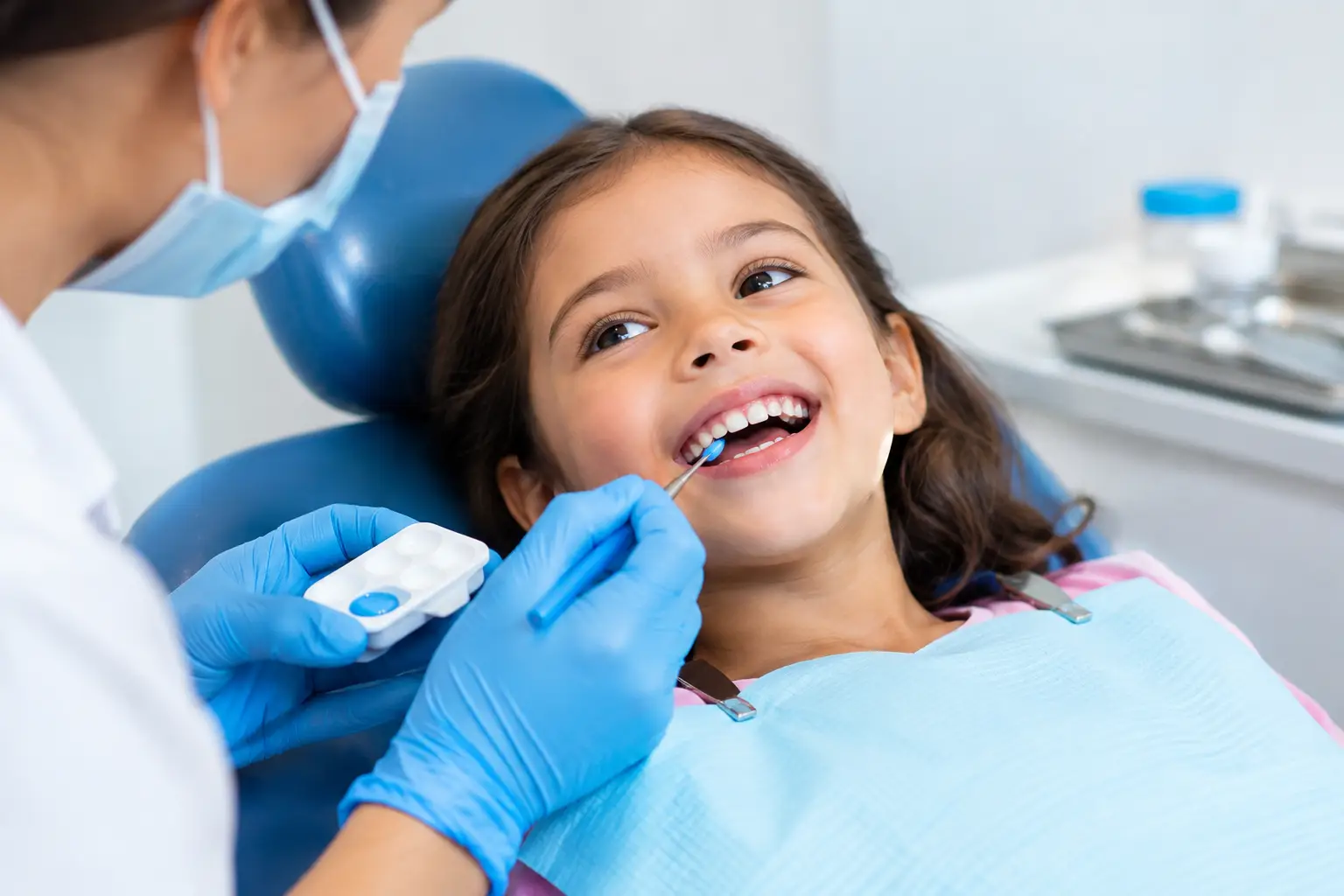
For young children, varnish can be especially useful because it is fast and noninvasive. The dentist or hygienist brushes a small amount onto the teeth. There are no drills, injections, or lengthy appointments. Many children tolerate it well, even when they are still getting comfortable with dental visits.
Varnish may also be used when a dentist sees early areas of enamel weakening. These areas may not yet be cavities that need a filling. With fluoride exposure, improved home care, and monitoring, some early changes can stabilize or improve. That does not mean every early spot can be reversed, but addressing it promptly gives the tooth the best chance.
After varnish is applied, patients are usually asked to avoid brushing or flossing until later that day or the next morning, depending on the product and your dentist’s instructions. Soft foods may be recommended for a few hours. The teeth can feel slightly sticky or look a little dull temporarily, which is normal.
When sealants make more sense
Sealants are most often placed soon after permanent molars erupt. The first permanent molars generally come in around age 6, and second permanent molars often arrive around age 12. Timing matters because newly erupted molars can be harder to clean while they are still settling into place.
A sealant appointment is straightforward and comfortable. The tooth is cleaned and dried, then conditioned so the sealant can bond well. The liquid material is brushed into the grooves and hardened with a curing light. No tooth structure needs to be removed when the surface is healthy and the sealant is being placed for prevention.
Sealants are especially worth discussing if your child has deep grooves in their molars, has already had a cavity, or is still building consistent brushing skills. They can also help adults with deep, cavity-prone grooves, although recommendations for adults are more individualized.
Sealants can last for years, but they are not permanent. They may wear down, chip, or come off over time, particularly if a person grinds their teeth or eats very hard foods. Your dental team should check them during regular exams and can repair or replace them when needed. A worn sealant is not a reason to panic. It is simply something to monitor and maintain.
Can a child benefit from both?
Yes. In fact, receiving both is common when the recommendation fits the child’s risk level. Sealants protect the deep chewing grooves of back teeth, while fluoride varnish can strengthen enamel across many tooth surfaces, including areas between teeth and near the gumline that sealants do not cover.
For example, a 7-year-old with newly erupted permanent molars and a recent cavity may benefit from sealants on the molars and fluoride varnish as part of an ongoing prevention plan. A teen with braces may benefit from fluoride varnish because plaque can gather around brackets, even if their molars already have intact sealants.
The best choice is based on the person in the dental chair, not a one-size-fits-all rule. A child with excellent oral hygiene, shallow grooves, and low cavity risk may need a different approach than a child who has frequent cavities or finds brushing difficult. A calm conversation with your dentist can clarify what is recommended and why.
What about safety and cost?
Both fluoride varnish and dental sealants have long been used in preventive dentistry. The amount of fluoride in varnish is small and applied directly to the teeth, which limits swallowing compared with some other fluoride treatments. Your dental team will use the appropriate amount for your child’s age and needs.
Sealant materials are designed for dental use and are applied only to the tooth surface. If you have questions about ingredients, allergies, or a medical condition, bring them up before treatment. You deserve clear answers without feeling rushed or judged.
Coverage varies by insurance plan, age, and the type of tooth being treated. Some plans cover sealants for children’s permanent molars but may have age limits or frequency rules. Fluoride varnish coverage can also vary. Before treatment, ask the office to review your benefits and explain any expected out-of-pocket cost. No surprises, just support in making a practical decision for your family.
Prevention works best at home, too
Varnish and sealants are valuable tools, but daily habits still matter most. Children should brush twice a day with fluoride toothpaste using an age-appropriate amount. Once teeth touch, cleaning between them is necessary because a toothbrush cannot reach those contact areas. Water is a better everyday drink than juice, sports drinks, or soda, and limiting frequent sugary snacks gives enamel more time to recover between meals.
Regular checkups also help the dental team spot changes early. That can mean a simple fluoride treatment, a sealant, or home-care coaching instead of waiting until a toothache forces an urgent visit.
If dental appointments make your child nervous, let the team know before the visit. A gentle, step-by-step approach can make preventive care feel manageable. At D on D Dental, we believe a child’s early dental experiences should build confidence, not fear. A short preventive visit today can help protect both their smile and their comfort with dental care for years to come.