
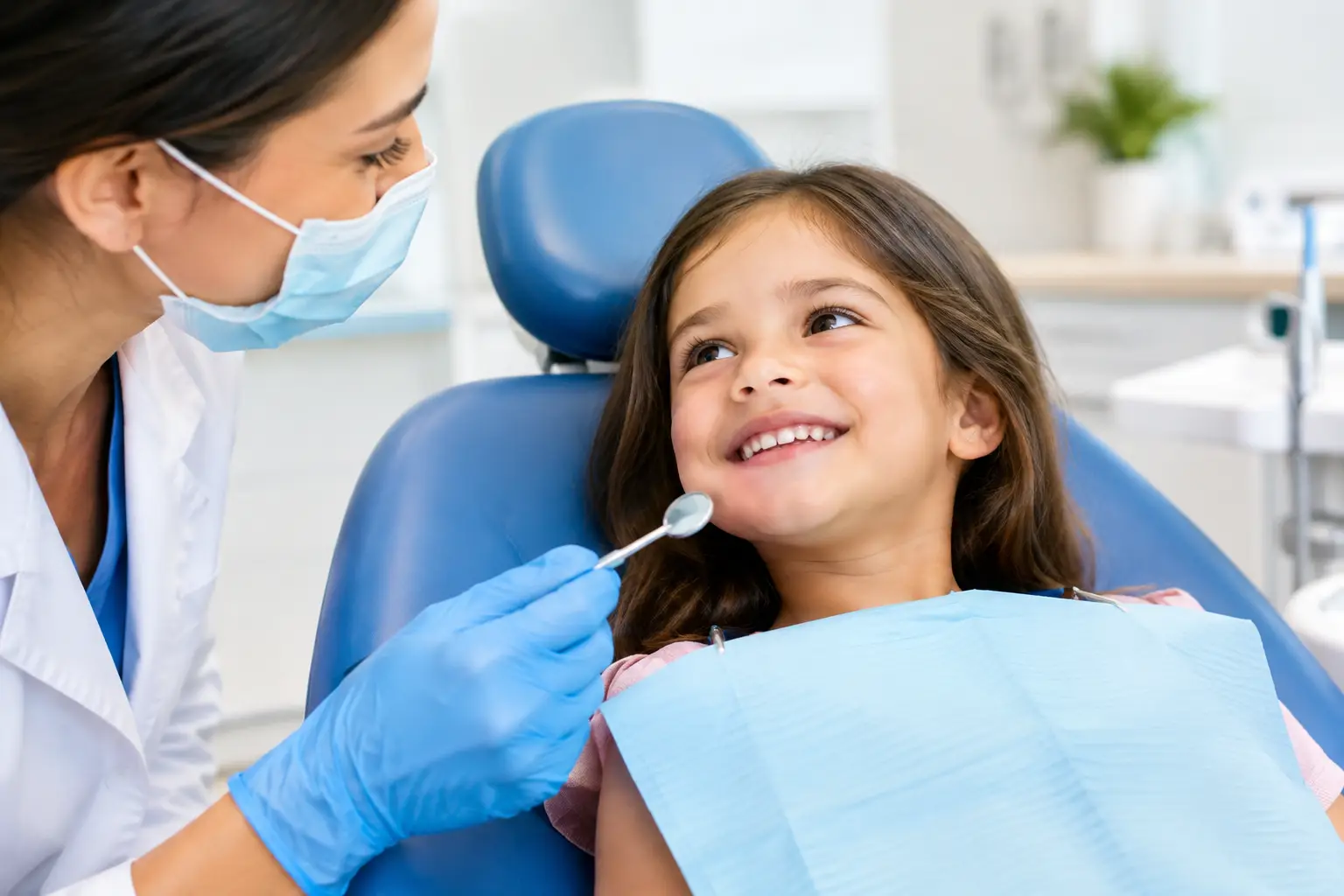
A toddler who happily lets you brush their teeth at home may suddenly cling to your leg in a new office. That is normal. This children’s first dental visit guide is designed to take the pressure off: your child does not need to perform, sit perfectly still, or love every moment. The goal is to make their first experience feel safe, friendly, and familiar while giving you clear guidance for protecting their growing smile.
When should your child see a dentist for the first time?
A child should generally have their first dental visit by their first birthday, or within six months of their first tooth coming in. That timing can feel surprisingly early, especially when there are only one or two tiny teeth to check. But early visits are less about treatment and more about prevention, guidance, and helping your child become comfortable with dental care.
Baby teeth matter. They support chewing, speech development, and the space needed for permanent teeth to come in properly. They can also develop cavities quickly, particularly when a child frequently sips milk, juice, or sweetened drinks, or goes to sleep with a bottle.
If your child is older and has not yet seen a dentist, there is no need for guilt. Book the visit now. A calm, judgment-free dental team will focus on where your child is today and what will help them moving forward.
What happens at a first dental appointment?
A first visit is usually gentle and unhurried. The dental team will get to know your child, ask about their health history, and talk with you about brushing, food and drink habits, thumb-sucking, pacifier use, fluoride, and any concerns you have noticed.
For infants and young toddlers, the dentist may use a knee-to-knee position. Your child sits on your lap facing you, then gently leans back so the dentist can see their mouth. This arrangement can feel more secure than asking a little one to sit alone in a dental chair.
For older children, the visit may begin with a ride in the dental chair, a look at the tools, and a simple explanation of what each one does. A caring team will use child-friendly language and move at your child’s pace. If your child needs a break, that is okay.
The exam
The dentist checks the teeth, gums, bite, jaw development, and soft tissues in the mouth. They will look for early cavities, signs of enamel weakness, crowding, and habits that could affect development. They may also discuss teething, mouth breathing, grinding, or a family history of dental concerns.
This exam gives parents a chance to ask practical questions. Is a white spot on a tooth a concern? Is your child getting enough fluoride? Are nighttime bottles affecting their teeth? Small questions are worth bringing up early, before they become bigger problems.
Cleaning, X-rays, and fluoride
Depending on your child’s age and comfort level, the team may gently clean the teeth and apply fluoride. X-rays are not automatically needed at every first appointment. The dentist will recommend them only when they can provide useful information that cannot be seen during an exam, such as areas between teeth or concerns below the gumline.
Some children are ready for a full cleaning right away. Others need a shorter, get-acquainted visit first. Neither response means anything is wrong. A positive introduction is often more valuable than trying to force every step into one appointment.
How to prepare for a calm first visit
Your attitude sets the tone, even when you are working hard to hide your own nerves. Talk about the appointment as a normal part of taking care of teeth, like getting a haircut or buying new shoes. Keep your explanation simple: “The dentist will count your teeth and help us keep them strong.”
Avoid promising that nothing will happen or saying, “It won’t hurt.” Children may not have been worried about discomfort until they hear that phrase. It is also best to skip words such as “shot,” “drill,” or “pull,” even as a joke. Let the dental team explain anything necessary in language your child can understand.
Reading a picture book about visiting the dentist or playing dentist at home can help. Let your child practice opening wide while you count their teeth. A stuffed animal can have its own pretend checkup. Keep the play light, and do not turn it into a rehearsal they have to get right.
Try to schedule the appointment at a time when your child is usually rested and fed. For many young children, that means morning rather than late afternoon, when hunger and fatigue can make unfamiliar situations harder. If your child has a favorite small comfort item, such as a stuffed animal or blanket, bring it along.
For a smoother check-in, bring these four things:
- Your child’s health insurance information, if applicable
- A list of medications, allergies, and relevant health conditions
- Questions about brushing, diet, habits, or symptoms you have noticed
- A comfort item and, if useful, a quiet activity for the waiting room
What parents can do during the appointment
Your child will look to you for cues. Stay close, speak calmly, and let the dental team lead the conversation when they are building rapport. Too much coaching can sometimes make a child feel that something difficult is about to happen.
Praise specific efforts rather than demanding bravery. “You opened your mouth for the dentist” or “You did a great job sitting with me” feels more genuine than telling a child they have to be brave. If they cry, pull away, or refuse to cooperate, stay calm. Crying is communication, not misbehavior.
It also helps to be honest with the dentist about your child’s temperament. If they are shy, sensitive to sounds, have sensory needs, or have had a difficult medical experience, say so before the exam begins. Personalized care starts with knowing what helps your child feel secure.
Building healthy habits after the visit
The first appointment is the beginning of a routine, not a one-time milestone. Brush your child’s teeth twice a day using a soft, age-appropriate toothbrush. For children under age three, use a rice-sized smear of fluoride toothpaste. From age three through six, use a pea-sized amount and supervise brushing so they spit out excess toothpaste rather than swallowing it.
Parents should do the brushing or help closely until a child has the coordination to do it well, often around ages seven or eight. A child may want independence before they have the dexterity for it, so think of brushing as a shared task. Let them start, then take a turn to finish.
Water between meals and after snacks is a simple, helpful habit. Frequent grazing on crackers, dried fruit, sweet drinks, or sticky snacks gives cavity-causing bacteria more opportunities to produce acid. This does not mean treats are forbidden. It means timing matters. Enjoying sweets with a meal is often easier on teeth than sipping or snacking on them throughout the day.
When to book sooner than planned
Do not wait for a routine visit if your child has tooth pain, facial swelling, a chipped or knocked-out tooth, bleeding that does not stop, or a dark spot that seems to be growing. Changes in eating, sleep, or behavior can also be clues that a tooth is bothering them, especially in children who cannot yet explain what hurts.
Early care is usually simpler and more comfortable than waiting until pain becomes severe. If dental anxiety is part of the picture for you or your child, tell the office when you book. A compassionate team can talk through what to expect, allow extra time when possible, and help make the first step feel manageable.
Your child does not need a perfect smile or perfect behavior to deserve gentle care. Choose a time that works for your family, bring your questions, and let the first visit be a small, reassuring step toward a lifetime of healthier teeth.