
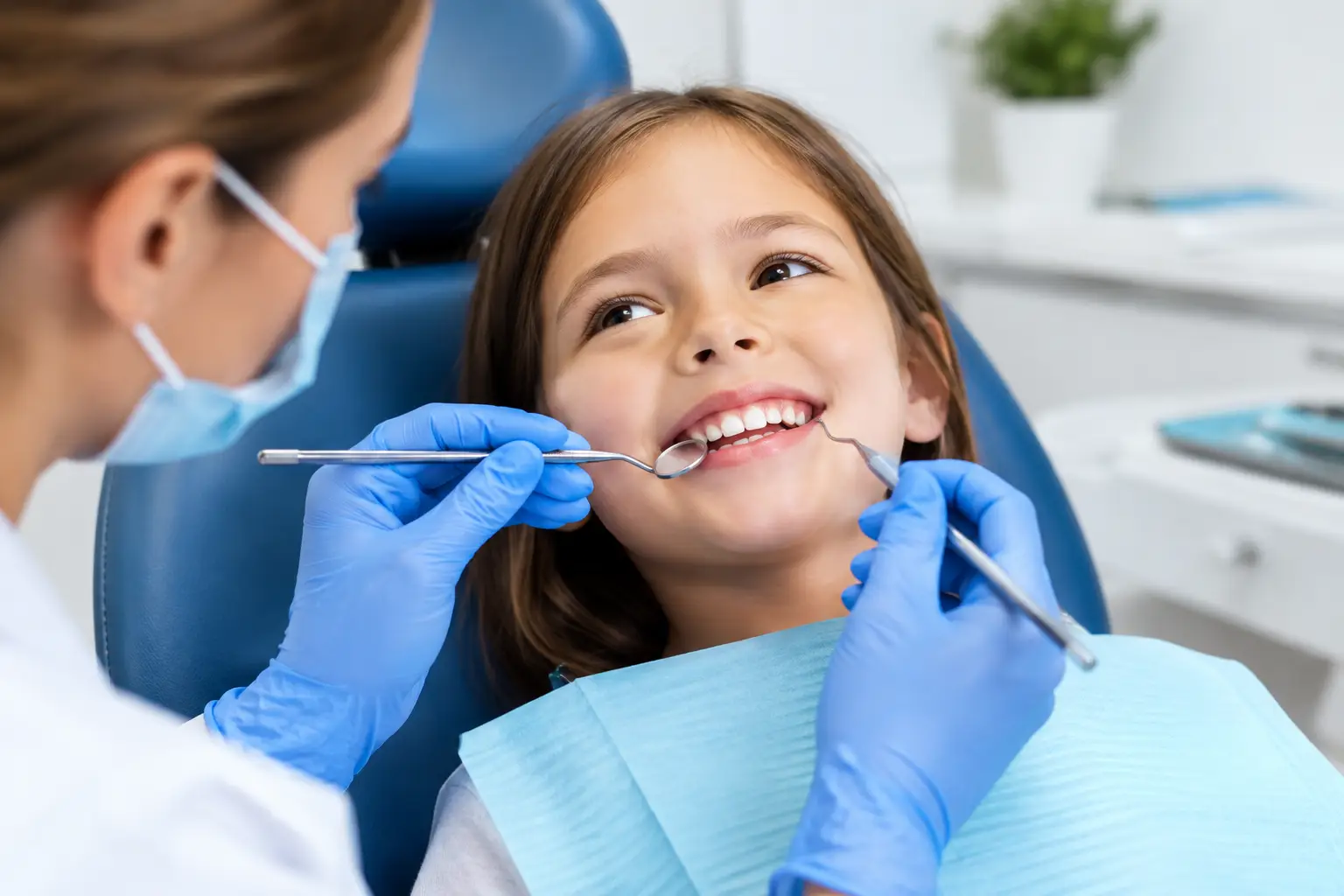
A child’s first permanent molar can arrive quietly, often before they have the brushing skills to clean its deep grooves well. That is why parents often ask, when do children need sealants? For many children, the answer is soon after their permanent back teeth come in, before decay has an opportunity to start.
Dental sealants are a simple preventive treatment that helps protect the chewing surfaces of molars and premolars. They are not a substitute for brushing, fluoride, or regular checkups. Think of them as an extra layer of defense for the places where toothbrush bristles and floss may not reach as easily.
When Do Children Need Sealants Most?
Children are usually good candidates for sealants when their permanent molars erupt. The first permanent molars generally come in around age 6, behind the baby teeth. The second permanent molars commonly arrive around age 12. These teeth have small pits and grooves on their chewing surfaces that can trap food and plaque, even when a child brushes carefully.
A dentist may recommend sealing a tooth as soon as it is fully visible enough to keep dry during treatment. Timing matters because sealants work best as prevention. Once a cavity has formed, a sealant alone is no longer the right solution.
Not every child needs sealants on every tooth. During an exam, the dentist considers the shape of each tooth, your child’s cavity history, daily oral hygiene, fluoride exposure, diet, and overall risk for decay. A child with shallow grooves and a low cavity risk may need fewer sealants than a child whose molars have deep, narrow grooves that are difficult to clean.
Can baby teeth need sealants?
Sometimes, yes. Sealants are most often placed on permanent molars, but they can also help protect baby molars when a child has a high risk of cavities or unusually deep grooves. This may be considered if a child has had cavities before, has difficulty brushing thoroughly, snacks frequently on sugary foods or drinks, or has a medical or developmental reason that makes dental care more challenging.
Baby teeth still matter. They help children chew, speak clearly, and hold space for permanent teeth. Protecting them can prevent discomfort and avoid more involved treatment later.
What Happens During a Sealant Appointment?
For most children, getting sealants is quick, comfortable, and does not require numbing or drilling. The dental team starts by cleaning the tooth, then prepares the surface so the sealant can bond securely. The tooth is rinsed and dried, the thin liquid sealant is painted into the grooves, and a curing light hardens it.
The process usually takes only a few minutes per tooth. Children can eat and drink normally afterward, although a dentist may recommend waiting until any dental cleaning is complete before having a snack. A sealant should feel natural once it has hardened. If your child notices that their bite feels different after the appointment, let the office know so it can be checked.
For children who feel nervous about dental visits, it can help to describe sealants in calm, simple terms: the dentist is putting a protective shield on the tooth. A gentle, judgment-free appointment can make this first preventive experience feel manageable and build confidence for future care.
How Sealants Prevent Cavities
Molars do most of the heavy chewing, and their uneven top surfaces are excellent at holding onto tiny food particles. Plaque bacteria feed on sugars and produce acids that weaken enamel. Over time, that process can become a cavity.
A sealant flows into those vulnerable grooves and forms a smooth barrier over them. Food and plaque are less likely to settle into the deepest areas, and brushing becomes more effective. Sealants are especially useful during the years when children are still learning consistent brushing habits and may not yet have the hand control to clean every back tooth well.
They do not protect the sides of the teeth or the spaces between teeth. That is why twice-daily brushing with fluoride toothpaste, flossing once teeth touch, a balanced diet, and regular dental visits are still part of cavity prevention.
Are Dental Sealants Safe for Children?
Dental sealants have been used for decades and are widely considered safe and effective. Parents sometimes have questions about the materials used, including concern about very low levels of bisphenol A-related compounds that may be present in some products. Research and dental organizations support the use of sealants because the cavity-prevention benefits outweigh this minimal exposure.
If you have concerns about materials, allergies, or your child’s health history, bring them up before treatment. Your dental team should welcome those questions and explain the product being used. You deserve clear answers, not pressure.
There is also a practical safety benefit to prevention. Avoiding cavities can reduce the chance that a child will need fillings, crowns, or treatment for dental pain later. A small preventive step now may spare your child a more stressful experience in the future.
How Long Do Sealants Last?
Sealants can last for several years, and many remain effective well into the teen years. They are checked at routine exams and can be repaired or replaced if they chip, wear down, or come off. A sealant does not need to be perfect to offer some protection, but any worn area should be evaluated so bacteria cannot collect underneath it.
Crunchy foods, teeth grinding, and normal wear can affect how long a sealant lasts. This is another reason routine checkups matter. The goal is not to make sealants a one-time event, but to keep an eye on the teeth as your child grows.
Sealants, Fluoride, and Fillings: What Is the Difference?
These treatments may all be part of children’s dental care, but they serve different purposes. Fluoride strengthens tooth enamel across many surfaces and can help reverse the earliest stage of enamel weakening. Sealants physically cover the deep grooves on chewing surfaces before decay begins. A filling repairs a tooth after a cavity has created damage that cannot be managed with prevention alone.
A dentist may recommend fluoride and sealants at the same visit because they work in different ways. If a suspicious groove has early changes but no clear cavity, the right approach depends on the tooth and the child’s cavity risk. Sometimes a sealant is appropriate; in other cases, the dentist may monitor the area closely or recommend a small filling. Personalized care is better than a one-size-fits-all answer.
What About Cost and Insurance?
Many dental insurance plans cover sealants for children, particularly on permanent molars, though age limits, covered teeth, and plan rules vary. If coverage is limited, sealants can still be worth discussing as a preventive investment, especially for a child who is prone to cavities.
Before treatment, ask for a clear estimate of any out-of-pocket cost and whether there are options for payment support. Transparent financial guidance helps parents make a decision without surprises. The best time to ask is before the appointment begins, when there is room to talk through choices comfortably.
Signs It Is Time to Ask About Sealants
You do not have to wait until a child complains of pain. Ask about sealants at your child’s next checkup if their first or second permanent molars have recently erupted, if they have had a cavity before, or if you struggle to reach the back teeth during brushing. It is also worth asking if you can see dark lines in the chewing grooves, although only an exam can tell whether those lines are harmless staining or early decay.
A child who brushes well can still benefit from sealants. Deep molar grooves are about tooth anatomy, not a failure of effort. The same is true for parents: needing extra prevention does not mean you have done anything wrong.
The most helpful next step is a regular dental exam where your child can be assessed calmly, one tooth at a time. If sealants are recommended, you will know why, what they protect, and whether the timing is right for your child.