A small chip can catch your eye every time you look in the mirror. A gap, worn edge, or tooth that never quite matched the others can feel just as distracting in photos and conversations. When patients ask about veneers versus bonding, they usually want a clear answer: which option can improve their smile without creating unnecessary stress, expense, or treatment?
Both treatments can create a more balanced, natural-looking smile. The better choice depends on what you want to change, the health of your teeth, how long you want the result to last, and what feels comfortable for your schedule and budget. A gentle consultation can make the decision feel much simpler.
Veneers Versus Bonding: The Main Difference
Dental bonding uses a tooth-colored composite resin. Your dentist carefully applies, shapes, and polishes the material directly on the tooth. It can repair a chip, close a small gap, soften an uneven edge, or improve the appearance of mild discoloration. In many cases, bonding can be completed in one visit.
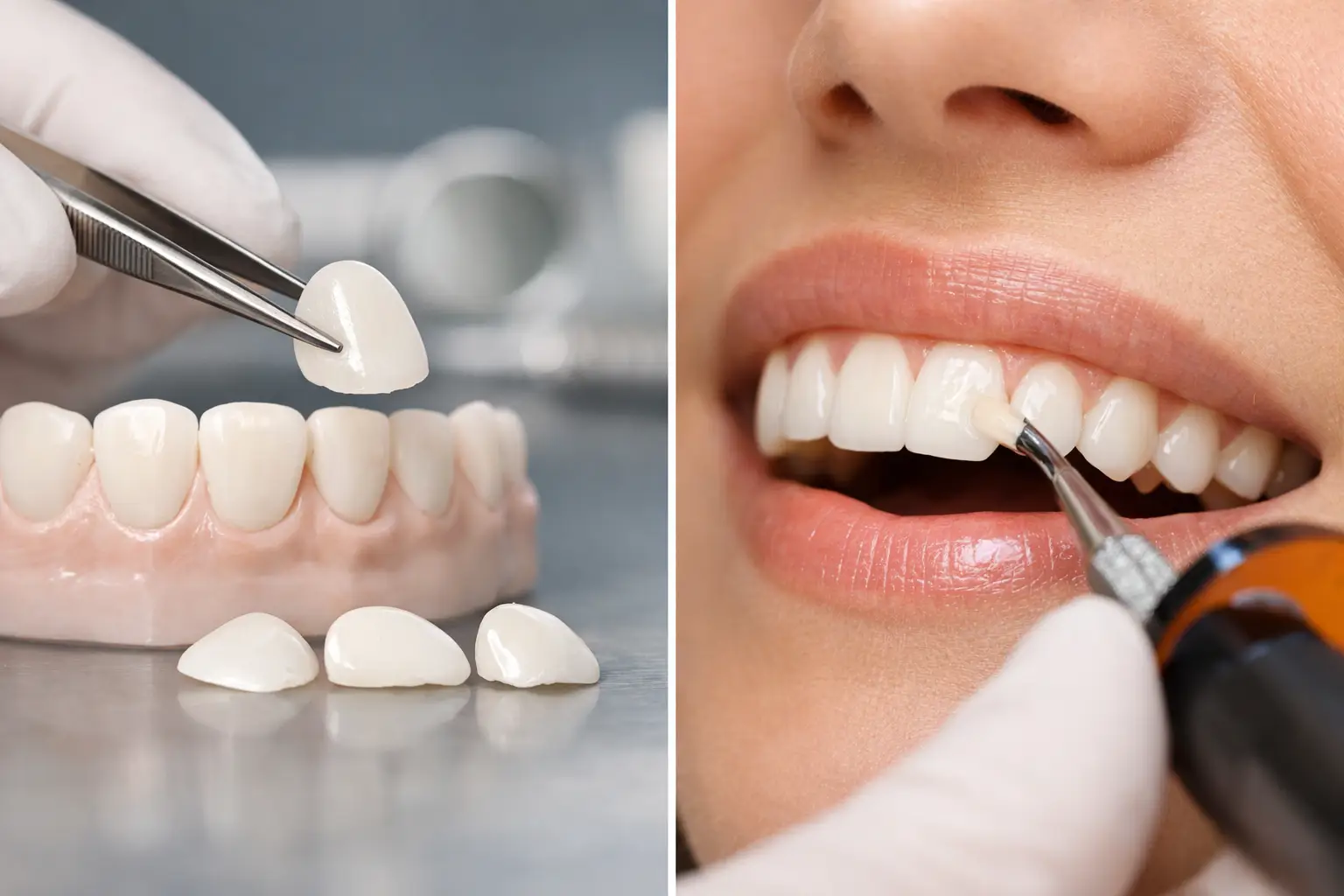
Veneers are thin custom shells, most often made from porcelain, that cover the front surface of a tooth. They are designed in a dental lab to match the shade, shape, and proportions of your smile. Because porcelain reflects light in a way that resembles natural enamel, veneers are often chosen for more significant cosmetic changes or for several visible front teeth.
Neither treatment is automatically “better.” Bonding is often the more conservative option, while veneers can offer greater durability and a more extensive transformation. The right recommendation starts with your goals, not a one-size-fits-all treatment plan.
When Dental Bonding May Be the Better Fit
Bonding is a practical choice when the concern is relatively small and the underlying tooth is healthy. It is commonly used for minor chips, worn corners, small spaces between teeth, slight shape differences, and a single tooth that needs a cosmetic touch-up.
One of bonding’s biggest advantages is that it usually requires little to no removal of natural enamel. That makes it appealing for patients who want a less permanent change. If you are unsure about changing the shape of your front teeth, bonding can sometimes be a good way to make a subtle improvement first.
The treatment itself is straightforward. The tooth is prepared, the resin is placed in layers, and your dentist sculpts it to blend with the surrounding teeth. A curing light hardens the resin, and the final polishing helps it look smooth and natural. For a small repair, there may be no need for freezing or extensive preparation.
There are trade-offs. Composite resin is more likely than porcelain to pick up stains from coffee, tea, red wine, or tobacco. It can also chip over time, especially if you bite your nails, chew ice, or use your teeth to open packages. Bonding is repairable, which is reassuring, but it may need polishing, touch-ups, or replacement sooner than veneers.
When Veneers May Make More Sense
Veneers can be a strong option when several front teeth have noticeable discoloration, uneven shapes, larger gaps, wear, or cosmetic flaws that are difficult to correct with whitening or minor bonding. They are also useful when you want a more consistent look across multiple teeth.
Porcelain resists staining well and generally holds its polish and color longer than composite resin. For someone who drinks coffee every morning or wants a lasting change for teeth with deep internal stains, that can be a meaningful advantage. Veneers can also be designed with careful attention to length, contour, and symmetry, creating a result that still looks like your smile, just more balanced.
Traditional veneers usually require a small amount of enamel to be reshaped so the final teeth do not look bulky. That preparation is minimal in skilled hands, but it is still an important consideration: once enamel is removed, the tooth will generally need a veneer or another restoration in the future. Veneers are not a reversible decision.
Treatment typically takes more than one appointment. After planning and tooth preparation, you may wear temporary veneers while the final porcelain restorations are being made. At the final visit, your dentist checks the fit, color, and bite before bonding the veneers in place.
Veneers are not meant to solve every dental concern
If a tooth has active decay, gum disease, an unstable bite, or a large existing filling, cosmetic treatment may need to wait or may not be the best first step. A crown, orthodontic treatment, gum care, or restorative treatment could better protect your long-term oral health.
Grinding and clenching also deserve attention. Veneers and bonding can both be damaged by heavy grinding, so a custom night guard may be recommended to protect your investment and your natural teeth.
How to Choose Between Veneers and Bonding
Start by thinking about the scale of the change you want. Bonding often works beautifully for one or two localized concerns. Veneers may be more appropriate when you want to improve the appearance of several teeth at once or when color and shape changes need to be more predictable.
Then consider longevity. With good care, porcelain veneers often last longer than composite bonding, though neither option lasts forever. Bonding may need maintenance sooner, while veneers involve a greater upfront commitment. Your daily habits matter as much as the material. A patient who wears a night guard and avoids biting hard objects is more likely to protect either treatment.
Your desired shade matters, too. Teeth whitening can brighten natural enamel, but it will not lighten existing bonding or porcelain. If you are considering whitening, it is often helpful to do it before selecting the shade for bonding or veneers. That way, the restoration can be matched to your preferred tooth color from the beginning.
Finally, consider how you want the process to feel. Some people want the fastest, most conservative improvement possible. Others are ready for a more comprehensive smile change and value the added stain resistance of porcelain. There is room for both preferences in thoughtful cosmetic dentistry.
Cost, Insurance, and Planning Without Surprises
Cosmetic dental costs vary based on the number of teeth involved, the material chosen, the complexity of your case, and whether any health concerns need treatment first. Bonding generally costs less per tooth than porcelain veneers, particularly for small repairs. Veneers usually have a higher initial cost because they are custom designed and fabricated.
Insurance often does not cover treatment completed only for appearance. However, there can be exceptions when a procedure also restores a damaged tooth or improves function. A dental team can review your benefits, explain the expected costs clearly, and discuss payment options before you decide. You should never feel pressured to commit before you understand the plan.
What a Cosmetic Consultation Should Include
A good consultation is not a quick glance followed by a sales pitch. Your dentist should look at your tooth structure, gums, bite, existing dental work, and the way your smile appears when you talk and laugh. Photos, X-rays, or digital planning may be helpful depending on the treatment being considered.
This is also your chance to be specific. Bring up the details that bother you, whether that is a chipped front tooth, dark stains, uneven lengths, or a smile that looks different on one side. If dental visits make you nervous, say so. A calm, judgment-free approach and a clear explanation of each step can make cosmetic care feel far more manageable.
At D on D Dental, the goal is not to push you toward veneers or bonding. It is to help you understand what each option can realistically achieve and make a choice that supports both your confidence and your dental health.
Caring for Your New Smile
Whether you choose veneers or bonding, daily care remains simple: brush twice a day with a non-abrasive toothpaste, floss consistently, and keep regular dental cleanings and exams. Avoid using your front teeth as tools, and be mindful of very hard foods. If you notice a rough edge, a chip, sensitivity, or a change in how your bite feels, schedule a visit rather than waiting for the problem to worsen.
The best cosmetic result is one that feels comfortable, looks natural, and fits your life. A conversation with a dentist can turn a vague concern about your smile into a calm, personalized plan with no surprises, just support.