
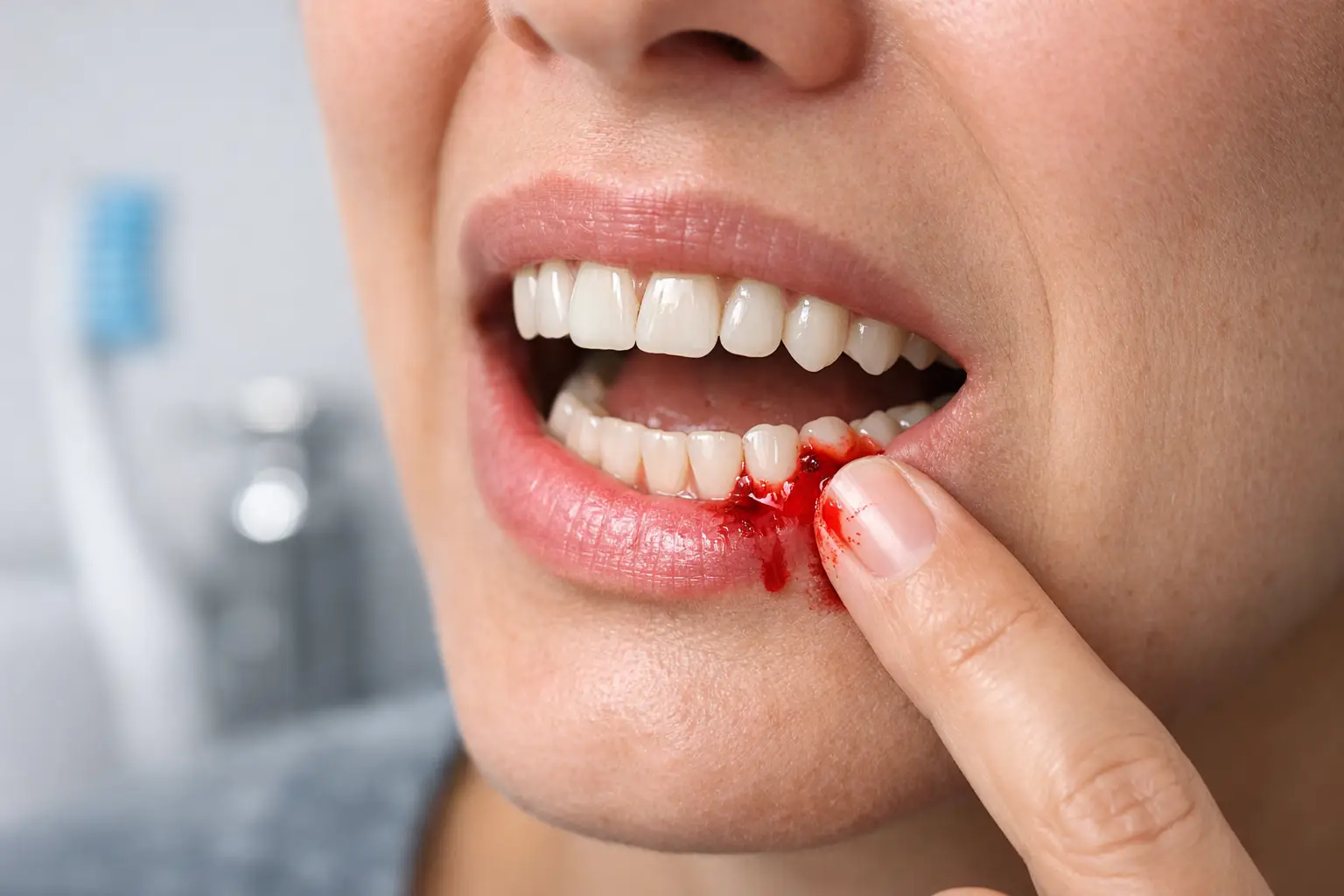
Seeing pink in the sink after brushing can be unsettling, especially if it happens more than once. Bleeding gums causes are often treatable, and the most common reason is gum inflammation from plaque buildup. Still, bleeding is your mouth’s way of asking for attention – not something to brush off or simply work around.
A gentle dental exam can identify what is happening without judgment. Whether you have delayed a cleaning, feel anxious about dental visits, or are simply unsure whether the bleeding is serious, getting clear answers early can make treatment simpler and more comfortable.
The most common bleeding gums causes
Plaque buildup and gingivitis
Plaque is a sticky film of bacteria that collects along the gumline every day. When it is not fully removed with thorough brushing and cleaning between the teeth, it can irritate the gums. The gums may look red or puffy, feel tender, or bleed when you brush, floss, or eat something firm.
This early stage of gum disease is called gingivitis. The encouraging news is that gingivitis can usually be reversed with professional cleaning and consistent home care. Waiting, however, can allow the inflammation to move below the gumline.
Periodontitis, or advanced gum disease
Untreated gingivitis can develop into periodontitis. This is a more serious infection and inflammation that affects the tissues and bone supporting your teeth. Along with bleeding, you may notice persistent bad breath, gum recession, teeth that appear longer, changes in how your bite feels, or loose teeth.
Periodontitis does not always cause significant pain, which is one reason routine checkups matter. A dentist can measure the health of the gums and recommend periodontal care based on the stage and severity of the condition. Early care helps protect both your smile and the bone that holds your teeth in place.
Brushing too hard or using the wrong technique
A hard-bristled toothbrush or aggressive scrubbing can irritate the gum tissue, particularly if your gums are already inflamed. Brushing harder does not remove plaque better. In fact, it can wear down enamel near the gumline and contribute to gum recession over time.
Choose a soft-bristled toothbrush and use small, gentle circles aimed toward the gumline. If flossing makes your gums bleed because you have not flossed regularly, do not stop immediately. Gentle daily flossing or another approved method of cleaning between the teeth often improves bleeding within a week or two. If it does not, schedule an exam.
A new flossing routine
People sometimes assume floss is the problem because bleeding starts when they begin using it again. More often, the bleeding was already there: flossing simply reaches inflamed areas that brushing misses. Healthy gums should not routinely bleed with gentle flossing.
That said, technique matters. Avoid snapping floss down into the gums. Guide it carefully around each tooth in a C-shape, then move it up and down the side of the tooth. If you are uncertain, your dental team can show you a comfortable technique that works for your mouth.
Other bleeding gums causes to consider
Gum bleeding can occasionally be connected to changes elsewhere in the body. This does not mean every episode signals a serious medical condition, but it is one reason not to self-diagnose.
Hormonal shifts during pregnancy, puberty, menstruation, or menopause can make gums more sensitive to plaque. Pregnancy gingivitis is common, and a dental visit remains a helpful part of prenatal health. Tell your dental team if you are pregnant so your care can be planned appropriately.
Some medications can also increase bleeding or cause gum changes. Blood thinners, certain blood pressure medications, some seizure medications, and medications that reduce saliva are examples. Do not stop a prescribed medication because your gums bleed. Instead, share a complete medication list with your dentist and prescribing clinician.
Diabetes can make gum infections harder to control, while gum inflammation may also make blood sugar management more challenging. Smoking and vaping can interfere with healing and increase the risk of gum disease. Poorly fitting dentures, rough dental restorations, and food trapped between teeth can create localized irritation as well.
Less commonly, frequent or unexplained gum bleeding may be associated with nutritional deficiencies, blood disorders, or other medical concerns. If you are also bruising easily, experiencing nosebleeds, feeling unusually tired, or noticing bleeding in other areas, contact your physician promptly.
When gum bleeding needs prompt dental care
A small amount of bleeding after a vigorous brushing session may settle quickly. Repeated bleeding, on the other hand, deserves a dental appointment even if it is painless. It is especially wise to book soon if the bleeding lasts longer than one to two weeks after improving your home routine, occurs without brushing or flossing, or comes with swollen gums, pain, pus, bad breath, or loose teeth.
Seek urgent help if bleeding is heavy, does not stop with gentle pressure, follows an injury, or is paired with facial swelling, fever, or trouble swallowing or breathing. These symptoms can require same-day assessment.
For families, pay attention to children’s gums as well. Kids can get gingivitis, particularly when brushing is rushed or braces make cleaning more difficult. A calm dental visit can help identify whether the cause is simple plaque buildup, an erupting tooth, or something that needs further attention.
What you can do before your appointment
Start with gentle, consistent care rather than trying to scrub the problem away. Brush twice daily for two minutes with a soft-bristled toothbrush and fluoride toothpaste. Clean between your teeth once a day using floss, interdental brushes, or another option recommended for your teeth and gums.
Replace your toothbrush or brush head about every three months, or sooner if the bristles are frayed. A worn brush does not clean as effectively and can encourage harder brushing. If your gums are sore, warm salt-water rinses may feel soothing, but they do not remove plaque or replace professional treatment.
Try not to use mouthwash as a cover for bleeding or bad breath. Some rinses can be helpful when a dentist recommends them, but the underlying cause still needs to be addressed. Avoid tobacco products, drink water regularly, and keep your scheduled cleanings even when you feel embarrassed about how long it has been. Dental teams see this every day, and the goal is to help, not lecture.
What to expect at a dental visit
Your dentist or hygienist will ask when the bleeding began, whether it happens during brushing or on its own, and whether you have noticed other symptoms. They will examine the gums, check for plaque and tartar, measure gum pockets when needed, and may recommend X-rays to assess the bone around the teeth.
Treatment depends on the cause. It may be as straightforward as a professional cleaning and a few adjustments to your home routine. If gum disease has progressed, you may need deeper cleaning below the gumline and follow-up periodontal care. Dental work that is trapping food or irritating tissue may also need attention.
If dental anxiety has kept you away, say so at the start of the appointment. At D on D Dental, a calm, judgment-free approach means your comfort and questions are part of the care plan. You can ask for breaks, discuss concerns before treatment begins, and make decisions with clear information rather than pressure.
Your gums should support you quietly every day. When they bleed, responding early gives you the best chance to restore comfort, protect your teeth, and move forward with confidence.