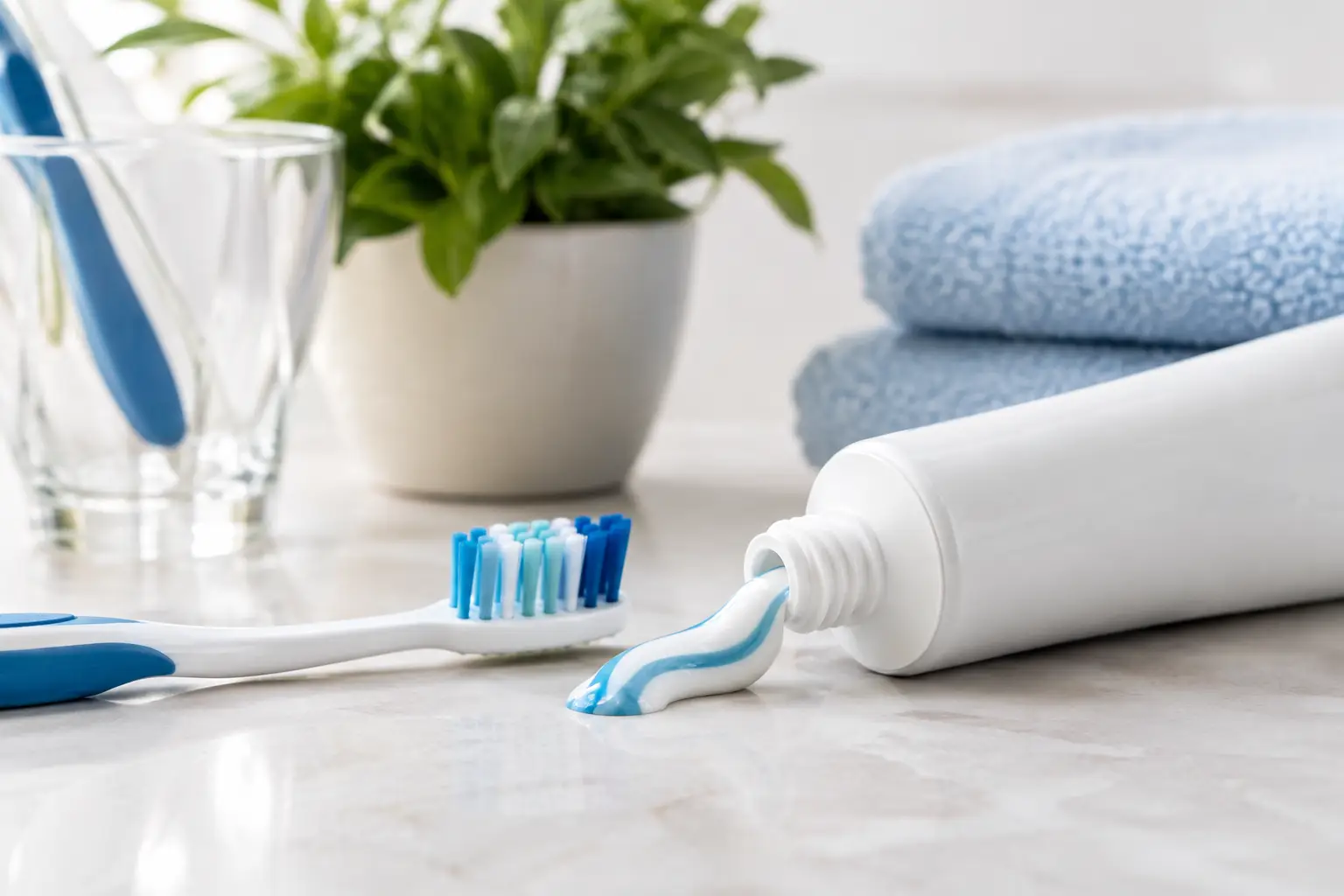
A toothpaste that stings, a pink toothbrush, or a sharp twinge near the gumline can make brushing feel like something to get through rather than a simple daily habit. The best toothpaste for sensitive gums is usually one that protects against cavities while being gentle enough that you will use it consistently. But the right tube also depends on why your gums feel sensitive in the first place.
Sensitive gums are not always a toothpaste problem. They can be irritated by plaque buildup, brushing too hard, early gum disease, a rough restoration, dry mouth, or sensitivity from exposed tooth roots. A toothpaste can support healthier gums, but it cannot replace care when there is bleeding, swelling, or ongoing pain.
What Makes a Toothpaste Good for Sensitive Gums?
Look first for fluoride. Fluoride strengthens enamel and helps prevent decay, which matters even more if gum recession has exposed a vulnerable area near the root. It does not directly treat gum disease, but it is a valuable foundation for everyday protection.
For people who feel zings from cold water, sweets, or brushing at the gumline, a sensitivity toothpaste with potassium nitrate can be a good choice. Potassium nitrate helps calm the nerve response inside the tooth over time. It is not an instant fix, so use it twice daily for several weeks before deciding whether it is helping.
Stannous fluoride is another useful ingredient. In addition to cavity protection, it can help reduce plaque and support gum health. Some people find it especially helpful when their gums feel tender or bleed easily. Formulas differ, however, and a product that works well for one person may leave another with surface staining or an aftertaste they dislike. Regular professional cleanings can help manage stain concerns.
Just as important is what the toothpaste does not do. If your gums are already sore, a highly abrasive whitening toothpaste may feel harsh and can contribute to sensitivity when used too often. Strong flavors, tartar-control formulas, and foaming agents can also bother some people. That does not mean these ingredients are automatically harmful, but it is reasonable to switch to a milder formula if your mouth feels irritated after brushing.
Best Toothpaste for Sensitive Gums: Ingredients to Consider
Potassium nitrate for temperature sensitivity
Choose this when the main issue is a brief, sharp sensation from cold drinks, hot foods, or brushing close to the gums. It is often a comfortable everyday option for people with mild recession or exposed root surfaces. Be patient with it. Relief tends to build with consistent use rather than after one or two brushings.
Stannous fluoride for sensitivity and plaque control
This can be a practical choice if you want sensitivity support plus an ingredient that helps control plaque around the gumline. It may be particularly appealing when you have early gum irritation and your dentist has not identified a more serious concern. If you notice new staining, dryness, or irritation, ask your dental team whether a different formula would be better for you.
Low-abrasion fluoride toothpaste for a gentle routine
Sometimes the best choice is a simple fluoride toothpaste without aggressive whitening claims. A gentle formula can be ideal for people with tender gums, enamel wear, dry mouth, or a history of brushing too firmly. Whitening can wait until your mouth feels comfortable and your dentist has confirmed it is appropriate.
SLS-free toothpaste for recurring mouth irritation
Sodium lauryl sulfate, often shortened to SLS, creates foam. Some people have no issue with it, while others notice more irritation, peeling tissues, or canker sores. If your gums feel sore and you frequently get mouth ulcers, an SLS-free toothpaste is worth trying for a few weeks. It may not solve every problem, but it is a simple change that can make brushing more comfortable.
The Toothpaste Matters, but Your Brushing Technique Matters Too
Many sensitive gums are being brushed with good intentions and too much pressure. A hard-bristled brush or vigorous back-and-forth scrubbing can irritate the gumline and wear away tooth structure over time. Switch to a soft-bristled manual brush or a pressure-sensing electric brush, and use small, gentle motions angled toward the gumline.
Brush for two minutes twice a day, but do not confuse pressure with cleanliness. Plaque is soft. It does not require scrubbing. Daily flossing or another dentist-recommended method of cleaning between teeth is also essential because toothpaste cannot reach the surfaces where gum inflammation often begins.
If you use whitening strips, whitening toothpaste, or an at-home bleaching product, consider taking a break if sensitivity has flared up. Cosmetic whitening is safest and most comfortable when your gums are healthy and any cavities, cracks, or recession have been assessed first.
When Sensitive Gums Need More Than a New Toothpaste
A little tenderness after switching brushes or flossing again can settle down. Persistent bleeding is different. Healthy gums generally should not bleed every time you brush or floss, even though bleeding can be common when plaque has been building up.
Schedule a dental visit if sensitivity lasts longer than two weeks, bleeding is frequent, your gums look swollen, you have bad breath that does not improve, or a tooth hurts when you bite. Gum recession, cavities near the gumline, cracked teeth, worn fillings, and gum disease can all feel similar at home. An exam makes the next step clearer and prevents you from spending months trying products that cannot address the real cause.
Call promptly if you have facial swelling, a pimple-like bump on the gums, severe pain, fever, or trouble swallowing. Those symptoms can signal an infection that needs timely treatment.
How to Make a Confident Choice at the Store
Start with a fluoride toothpaste labeled for sensitivity, then choose the gentlest version that matches your symptoms. If cold sensitivity is your main concern, potassium nitrate is a sensible first option. If plaque control and gum tenderness are part of the picture, stannous fluoride may be worth considering. If your mouth reacts to strong products, look for a mild-flavor, low-abrasion, SLS-free formula.
Give one product a fair trial instead of changing toothpaste every few days. Use a pea-sized amount twice daily, spit after brushing, and avoid rinsing heavily with water so the fluoride can remain on your teeth. If there is no improvement after several weeks, or discomfort worsens, it is time to ask your dentist for guidance.
Your toothpaste should make daily care feel easier, not make you brace for discomfort. A calm conversation with a dental team can help separate a manageable sensitivity issue from a concern that needs treatment, with no judgment and no surprises – just support.