
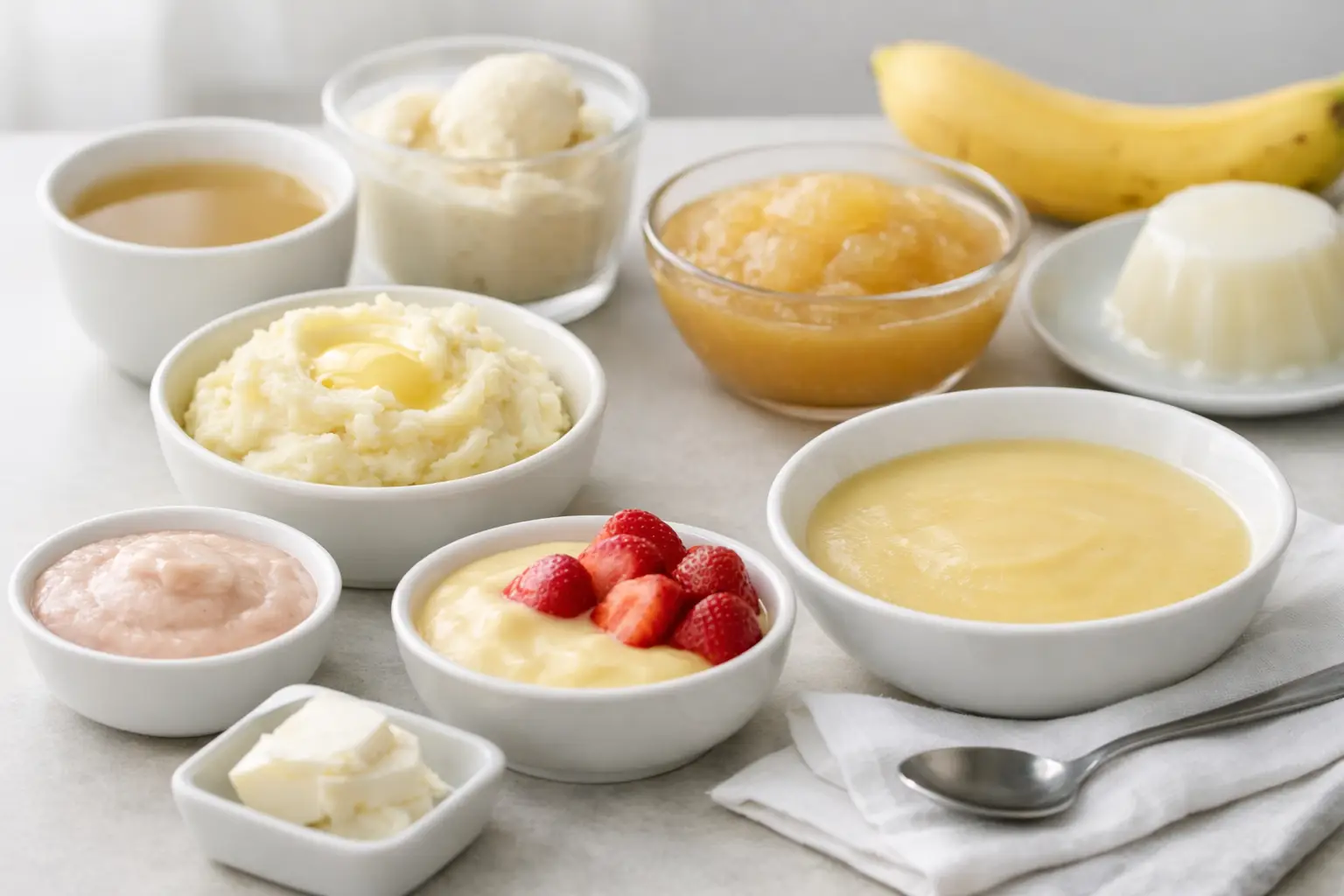
That first meal after an extraction can feel surprisingly stressful. You are hungry, your mouth is numb or sore, and you do not want to disturb the healing area. Choosing the best foods after tooth extraction helps protect the blood clot in the socket, keeps you comfortable, and gives your body the nutrition it needs to heal.
For the first few days, think soft, smooth, cool or lukewarm, and easy to swallow. Your dentist’s specific aftercare instructions always come first, especially if you had a surgical extraction, wisdom tooth removal, bone graft, or sedation.
Why Food Choices Matter After an Extraction
After a tooth is removed, a blood clot forms in the empty socket. This clot is your body’s natural protective cover. It shields the bone and nerves underneath while new tissue begins to grow.
Hard, crunchy, sticky, or very hot foods can irritate the area or dislodge that clot. Suction from a straw can do the same. If the clot comes out too early, you may develop dry socket, a painful condition that needs prompt dental care.
The goal is not to eat perfectly. It is to make a few gentle choices while your mouth does the important work of healing.
The Best Foods After Tooth Extraction, Day by Day
The first 24 hours: cool and very soft foods
Once the numbness has worn off enough for you to eat safely, start with foods that require little or no chewing. Cool or room-temperature options can feel soothing, especially if there is swelling.
Applesauce, plain yogurt, pudding, gelatin, ice cream without nuts or crunchy mix-ins, and smooth mashed potatoes are all common choices. Blended soups can also work well, but let them cool first. Hot foods may increase bleeding or irritation during the first day.
Protein matters, too. Greek yogurt, smooth cottage cheese, and a blended protein shake eaten with a spoon can help you feel fuller. If you use a meal-replacement drink, do not sip it through a straw. Drink carefully from a cup instead.
You may not have much of an appetite right away, particularly after sedation or a difficult extraction. Small meals are fine. Staying hydrated with water is often more important than forcing a large meal.
Days two and three: soft foods with more substance
As tenderness begins to settle, you can usually add soft foods that provide more energy and protein. Scrambled eggs, oatmeal that has cooled, soft pasta, macaroni and cheese, mashed sweet potatoes, and well-cooked vegetables are often comfortable choices.
Soft fish, shredded chicken mixed into a moist dish, or tender tofu may be appropriate if chewing feels manageable. Try to chew on the opposite side of your mouth whenever possible. If food keeps drifting toward the extraction site, return to smoother options for another day.
Soups are helpful at this stage, but skip ingredients that can get caught in the socket, such as rice, seeds, corn, small pasta shapes, or crunchy toppings. A creamy vegetable soup or smooth lentil soup may be easier than a chunky bowl of soup.
Days four through seven: gradually return to regular meals
Healing timelines vary. A simple extraction may feel much better within several days, while wisdom tooth removal or a surgical procedure can require a longer soft-food period. Let comfort guide you, rather than rushing back to foods that require strong biting or chewing.
You may be ready for soft sandwiches, flaky fish, ground turkey, soft cooked vegetables, pancakes, ripe banana, avocado, and tender rice if it does not lodge near the site. Continue to avoid anything that causes sharp pressure, throbbing, or bleeding.
If your dentist has advised a special diet or given you a longer recovery timeline, follow that plan. There is no prize for eating chips early. A few extra days of soft meals can be much easier than dealing with a painful setback.
Foods and Drinks to Avoid While You Heal
Some foods are more likely to disturb the extraction site, even if they seem harmless. For about a week, or as directed by your dentist, avoid:
- Chips, popcorn, crackers, nuts, and crusty bread
- Seeds, including sesame seeds, chia seeds, and seeded berries
- Tough meats, chewy candy, gum, and sticky foods
- Spicy, acidic, or very salty foods that may sting the area
- Very hot coffee, tea, soup, or other hot drinks during the first day
- Alcohol, which can interfere with healing and may be unsafe with pain medication or antibiotics
Do not use straws, and avoid forceful spitting for at least the first several days or for as long as your dental team recommends. Both actions create suction that can pull on the blood clot.
Smoking and vaping also slow healing and significantly raise the risk of dry socket. If stopping completely feels difficult, ask your dental team about the safest plan for your recovery. This is a judgment-free conversation, and getting clear guidance is always better than guessing.
How to Eat Without Irritating the Extraction Site
Even soft foods can be uncomfortable if you eat too quickly. Take small bites and keep food away from the extraction side. If you had extractions on both sides, choose foods that can be swallowed with minimal chewing, such as blended soups, eggs, yogurt, or mashed vegetables.
Follow instructions for gauze after the procedure. Once active bleeding has slowed, remove gauze before eating unless your dentist tells you otherwise. Eating with gauze in place can be a choking risk.
You can usually begin gentle warm saltwater rinses 24 hours after an extraction, but only if your dentist has recommended them. Let the water move gently around your mouth rather than swishing aggressively. Good oral hygiene supports healing, but the extraction area needs a delicate approach at first.
Easy Meal Ideas for a More Comfortable Recovery
A soft-food diet does not have to mean eating only pudding. For breakfast, try scrambled eggs with mashed avocado or warm, cooled oatmeal with mashed banana. For lunch, a smooth soup with a side of yogurt can be filling without requiring much chewing.
At dinner, mashed potatoes with soft flaky fish or well-cooked vegetables offer a more complete meal. A smoothie can be useful between meals, especially if appetite is low, but drink it from a cup. Skip berries with tiny seeds unless they are thoroughly blended and strained.
If you are caring for a child after an extraction, keep choices simple and familiar. Cool applesauce, yogurt, mashed potatoes, and plain pasta are often easier to accept than an unfamiliar “healthy” food when their mouth is sore. For adults with busy schedules, preparing a few soft options before the appointment can take pressure off the first day home.
When to Call Your Dentist
Some soreness, mild swelling, and tenderness are expected after an extraction. Pain should generally improve over time, not become noticeably worse after a few days.
Call your dentist if you have severe or increasing pain, swelling that worsens, fever, persistent bleeding, a bad taste or odor that does not go away, or difficulty swallowing or breathing. These symptoms do not always mean there is a serious problem, but they deserve timely advice.
If eating is still very difficult after several days, or you are unsure whether a food is safe, your dental office can help you make a plan based on your procedure and healing progress. Gentle recovery is not about pushing through discomfort. Give your mouth the soft foods, hydration, and patience it needs, and reach out when something does not feel right.