
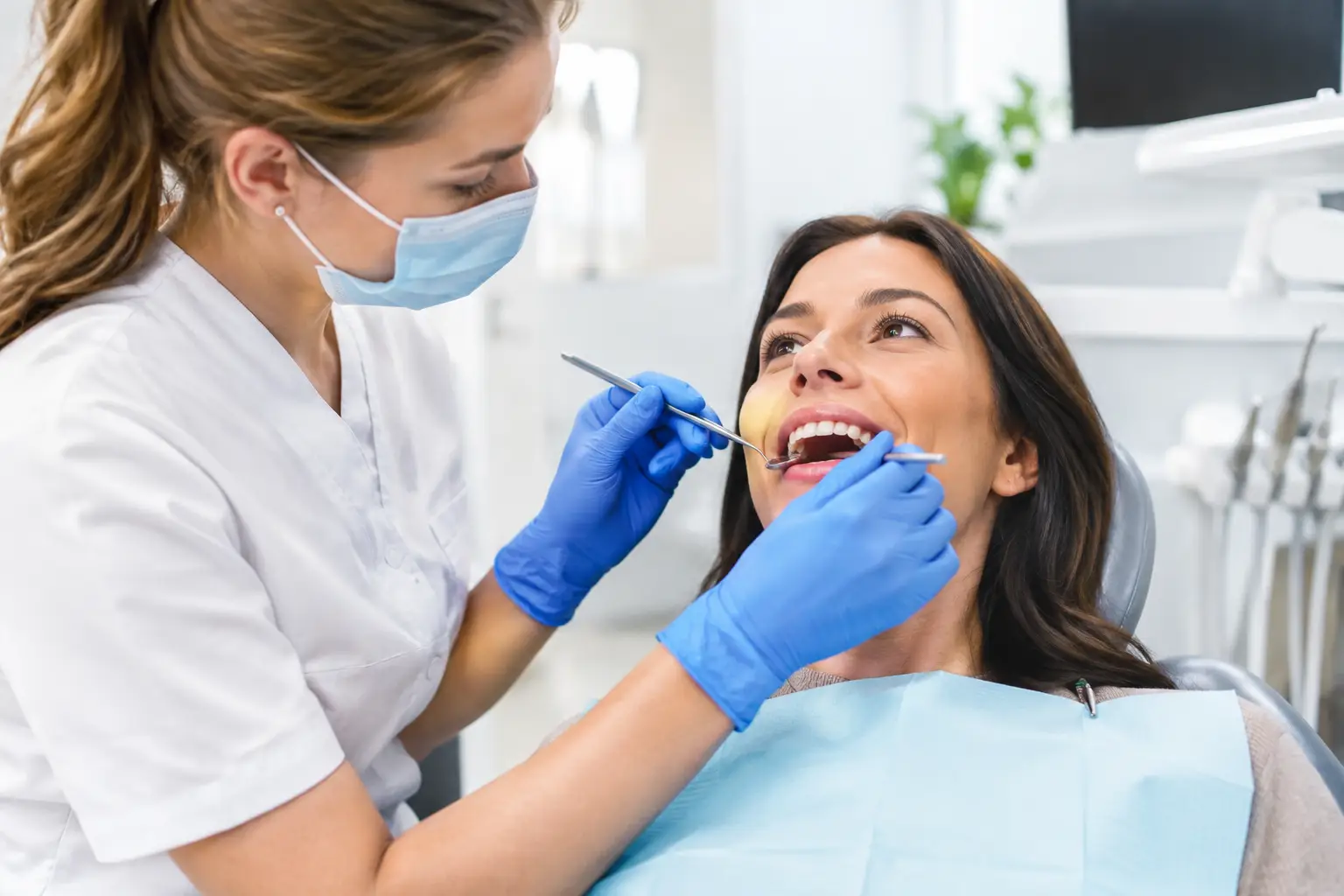
A small toothache, bleeding gums when you brush, or a cleaning that has been postponed for a little too long can stay in the back of your mind. An East York dental checkup appointment is a simple way to replace uncertainty with clear answers and a plan that feels manageable.
For many people, the hardest part is not the appointment itself. It is making the call or clicking book after months or years away from the dentist. Whether you are due for routine care, new to the neighborhood, caring for a child’s smile, or feeling nervous about what a dentist may find, you deserve a calm, judgment-free place to start.
What a Dental Checkup Is Really For
A checkup is preventive care, but it is also a conversation. It gives your dental team a chance to see how your teeth, gums, bite, and jaw are doing before a small concern becomes painful, complicated, or more expensive to treat.
During a routine visit, your dentist may look for early signs of cavities, gum inflammation, worn enamel, cracked fillings, grinding, and changes in the soft tissues of your mouth. Many dental concerns do not cause pain at first. Catching them early can sometimes mean a smaller filling instead of a root canal or crown, or focused gum care before gum disease progresses.
A checkup is not about being judged for how long it has been since your last visit. Your team needs an honest picture of your health so they can recommend care that makes sense for you. If brushing, flossing, sensitivity, dry mouth, clenching, or dental anxiety has been difficult, saying so helps them tailor the visit.
What to Expect at Your East York Dental Checkup Appointment
Every patient has different needs, but a typical appointment is designed to be straightforward. If it is your first visit, you may be asked to complete health history and insurance information. Bring a current medication list if you take prescription or over-the-counter medications regularly. Some medications can affect dry mouth, bleeding, healing, or the type of care that is safest for you.
Your dental team will usually begin by asking what brought you in and whether you have noticed pain, sensitivity, bleeding, clicking in your jaw, or changes in your teeth. This is a good time to mention a crown that feels loose, a tooth that reacts to cold, or a filling that catches floss. Details that may seem minor can be useful clues.
The exam
The dentist will examine your teeth and gums, checking for decay, wear, gum health, existing dental work, and signs of infection or other concerns. They may also check your bite and jaw movement. An oral cancer screening may be part of the exam, with a quick look at the tongue, cheeks, gums, throat area, and other soft tissues.
If a concern is found, the next step should be explained in plain language. You should understand what the issue is, why treatment is recommended, how soon it is needed, and what alternatives may be available. Not every finding needs immediate treatment. A tiny area of early wear or decay may be something your dentist monitors, while pain, swelling, or an infection needs more timely attention.
X-rays when they are useful
X-rays can show what cannot be seen during a visual exam, including decay between teeth, problems below the gumline, changes around tooth roots, and bone levels. They are not necessarily needed at every appointment. The timing depends on your oral health, your history of cavities or gum disease, and whether you are a new patient without recent images available.
If X-rays are recommended, feel free to ask what they are intended to check. Understanding the reason can make the process feel less clinical and more collaborative.
The cleaning
A cleaning removes plaque and hardened tartar that brushing alone cannot remove. Your hygienist will clean around the teeth and gumline, then may polish the teeth and review home-care habits that fit your situation.
For someone with healthy gums, this is often a routine preventive cleaning. If there is more significant gum inflammation or buildup below the gumline, your dentist may recommend periodontal treatment instead. That can sound intimidating, but it simply means your gums need a more focused level of care. The right recommendation depends on what your exam shows, not on a one-size-fits-all schedule.
How Long Does the Appointment Take?
Most routine checkups and cleanings take about an hour, though timing can vary. A first appointment may take longer because your team needs to gather health history, take necessary X-rays, and complete a thorough exam. If you have not seen a dentist in several years, need a detailed gum assessment, or have a specific concern to investigate, allow extra time.
If your day is tightly scheduled, tell the office when booking. A team can often help you choose a visit type and time that is realistic, especially when evening or Saturday availability is useful for work and family schedules.
How to Prepare Without Overthinking It
You do not need to do anything elaborate before a checkup. Brush and floss as you normally would, eat if you are more comfortable doing so before your visit, and arrive a few minutes early if paperwork is needed. If you have recent dental records or X-rays from another office, ask whether they can be transferred ahead of time.
The most helpful preparation is making a short mental note of what you want to discuss. That may include sensitivity, bad breath, bleeding gums, a cosmetic concern, fear of needles, past difficult dental experiences, or questions about whitening, Invisalign, dentures, implants, or a child’s development.
If anxiety is part of the reason you have delayed care, say that when you book. A comfort-first approach may include explaining each step before it happens, taking breaks, moving at your pace, or discussing sedation options when appropriate. You are allowed to ask questions, request a pause, and tell your dentist when something does not feel comfortable.
What About Insurance, CDCP, and Treatment Costs?
Cost should not be a mystery. Before your appointment, provide your insurance information if you have coverage so the office can help explain your benefits. If you are eligible for the Canadian Dental Care Plan, let the team know. Payment plans may also be available for treatment that is not fully covered.
A checkup can reveal treatment needs, but it should not pressure you into decisions on the spot. Ask for a clear estimate and a prioritized plan. Some care is urgent, some is important but can be scheduled, and some is elective. Knowing the difference helps you make choices with confidence.
For new patients, D on D Dental offers complimentary consultations, providing a low-pressure opportunity to discuss your needs and next steps before committing to treatment.
When You Should Not Wait for a Routine Visit
A regular checkup is ideal for prevention, but certain symptoms need faster attention. Call a dental office promptly if you have facial swelling, severe or worsening tooth pain, a knocked-out or broken tooth, uncontrolled bleeding, a loose adult tooth, or signs of infection such as fever or a bad taste with swelling.
A lost filling or crown, a cracked tooth, or pain when biting may not always require an emergency room visit, but it should be assessed soon. Early care can reduce discomfort and help protect the tooth.
A Visit That Supports Your Whole Household
Routine dental care is easier to maintain when it fits real life. Parents may prefer coordinating family appointments. Professionals may need early evening availability. Someone returning after a long break may want a quieter visit with more time to talk. These are not special requests. They are practical needs that deserve practical support.
How often you need checkups depends on your oral health. Many patients benefit from visits every six months, while others may need more frequent cleanings because of gum disease, diabetes, pregnancy-related gum changes, a high cavity risk, or certain medications. Your dentist can recommend an interval based on your health rather than a generic rule.
Taking the first step can be the most meaningful part. Book the appointment, share what you are worried about, and let the visit move at a pace that helps you feel cared for. A healthier smile often starts with one calm conversation.