A tooth that chips while you are eating, an old filling that suddenly feels rough, or a space left after an extraction can affect much more than your smile. It can change how comfortably you chew, speak, and feel around other people. This restorative dental treatment guide explains the common ways dentists repair damaged or missing teeth, what each option is designed to do, and how to make a decision without feeling pressured.
What restorative dentistry is meant to solve
Restorative dentistry focuses on bringing a tooth, or your bite as a whole, back to healthy function. Treatment may repair decay, replace a missing tooth, protect a weakened tooth, or restore a surface that has been worn down by grinding or age.
The right solution is not always the biggest or most expensive one. A small cavity may need only a filling, while a badly cracked tooth may need a crown. If a tooth cannot be saved, replacing it can help keep nearby teeth from shifting and help preserve a balanced bite. Your dentist will look at the condition of the tooth, your gums, the way you bite, your health history, and your goals before recommending care.
Restorative treatment is also not the same as cosmetic dentistry, although the two can overlap. A crown can strengthen a tooth and improve its appearance. An implant can replace a missing tooth and make a smile feel more complete. The priority, however, is always a healthy, comfortable result that works in everyday life.
Restorative dental treatment guide: common options
Fillings for cavities and small repairs
A filling replaces tooth structure that has been removed because of decay or minor damage. Most modern fillings are tooth-colored composite resin, which can be matched closely to the natural shade of your tooth. Fillings are often a straightforward way to stop a cavity from getting larger while preserving as much healthy tooth as possible.
A filling may be recommended for a new cavity, a chipped edge, or an older filling that has cracked or leaked. The trade-off is that a filling has limits. When too much of the tooth is missing or weakened, a filling may not provide enough support for long-term chewing. In that situation, a crown may be the more protective choice.
Crowns for weak, cracked, or heavily treated teeth
A dental crown is a custom cover that fits over a prepared tooth. It is commonly used when a tooth has a large filling, a significant crack, extensive decay, or has had root canal treatment. Crowns are also used to restore severely worn teeth and can support a dental bridge.
Crowns may be made from ceramic, porcelain fused to metal, or other durable materials. The best material depends on the tooth’s location, the forces it handles, and the appearance you want. Back teeth need exceptional strength for chewing, while front teeth often call for a material that blends naturally with your smile.
Getting a crown typically takes more than one visit. The tooth is shaped, impressions or digital scans are taken, and a temporary crown may be placed while the final crown is made. A well-fitting crown can last many years with good home care and regular checkups, but it still needs attention. Decay can develop around the edge of a crown if plaque builds up there.
Root canal treatment to save an infected tooth
When decay, a deep crack, or trauma reaches the soft tissue inside a tooth, it can cause severe pain or infection. Root canal treatment removes the damaged or infected tissue, cleans the inside of the tooth, and seals it. The tooth is then usually restored with a filling or crown, depending on how much structure remains.
Despite its reputation, modern root canal treatment is designed to relieve pain, not create it. Local anesthetic and a calm, step-by-step approach can make the appointment much more manageable than patients expect. Saving a natural tooth is often preferable when possible because it maintains your natural bite and avoids the need to replace the tooth.
Bridges, implants, and dentures for missing teeth
Missing teeth deserve attention even when the gap is not visible. Depending on where the tooth is located, a gap can affect chewing, speech, the position of nearby teeth, and the way your bite comes together.
A dental bridge replaces one or more missing teeth by anchoring an artificial tooth to neighboring teeth or, in some cases, implants. A bridge can be a practical option when the teeth next to the space already need crowns. However, a traditional bridge requires preparation of the supporting teeth.
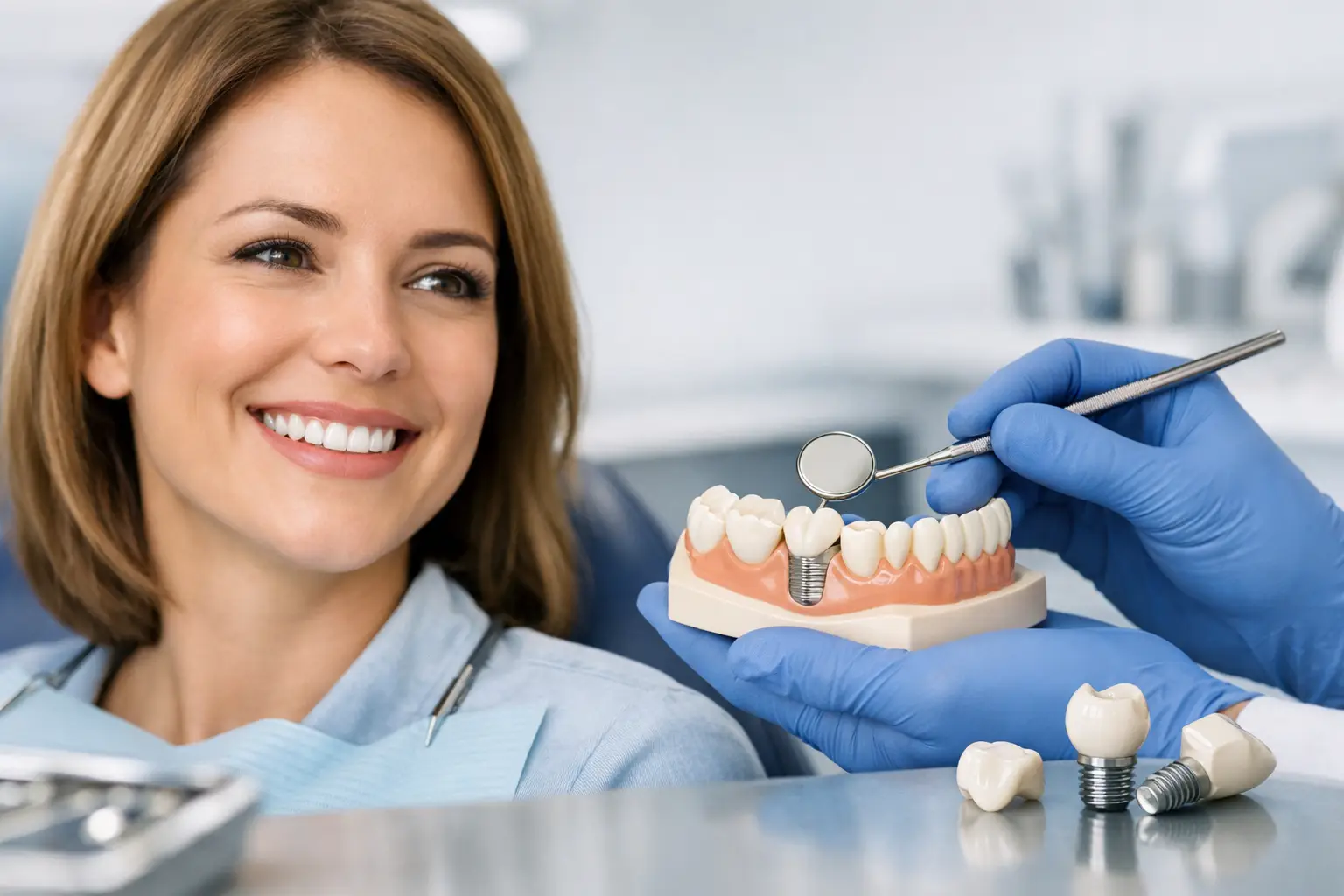
A dental implant replaces the root of a missing tooth with a small post placed in the jawbone. Once it has healed, it can support a crown, bridge, or denture. Implants do not rely on adjacent teeth, and they can help maintain bone in the area. They also require adequate bone, healthy gums, healing time, and a commitment to daily care. They are not always the fastest or lowest-cost route, but for many patients, they are a durable long-term option.
Partial and full dentures replace several or all missing teeth. Today’s dentures can be more natural-looking and comfortable than many people expect. They can be removable, or they can be secured with implants for additional stability. The best option depends on the number and location of missing teeth, your bone and gum health, your budget, and what feels realistic for your lifestyle.
How your dentist chooses the right treatment
A recommendation should begin with a clear diagnosis, not assumptions. Your appointment may include an exam, X-rays, photos, and a discussion about symptoms such as sensitivity, pain when chewing, or trouble eating certain foods. If you are anxious about dental visits, say so early. Comfort matters, and your care can be paced around your needs.
Your dentist should explain what is urgent, what can be monitored, and what alternatives are available. For example, a small fracture that is not painful may be watched for a period of time, while a deep crack that reaches below the gumline may require prompt treatment. Asking questions is not being difficult. It is part of making an informed decision.
Useful questions include: What happens if I wait? Is there a more conservative option? How long should this treatment last with normal care? What will the procedure feel like, and what are my payment options? Clear answers can make the next step feel far less intimidating.
What to expect during and after treatment
Most restorative procedures begin with local anesthetic so the area is numb. You may feel pressure or vibration, but you should not need to push through sharp pain. Let the dental team know if you need a break, have a strong gag reflex, or have had difficult experiences in the past. Gentle care includes listening and adjusting, not simply getting through the appointment quickly.
After a filling or crown, temporary sensitivity is common, especially with hot, cold, or pressure. Follow the instructions you receive, avoid chewing on a numb cheek or tongue, and contact the office if pain is worsening, your bite feels uneven, or swelling develops. With implants, extractions, or more involved treatment, healing instructions may include food choices, cleaning guidance, and a follow-up visit.
Restorations need maintenance, not perfection. Brush twice daily with fluoride toothpaste, clean between teeth every day, and keep regular dental visits. If you grind or clench, a night guard may help protect crowns, fillings, and natural teeth from excessive force.
Cost, insurance, and planning without surprises
Cost is a real part of treatment planning. The price can vary based on the material used, the number of teeth involved, whether additional procedures are needed, and the complexity of the case. Insurance may cover part of medically necessary restorative care, but coverage levels and annual limits differ.
Before beginning treatment, ask for a clear estimate and help understanding your benefits. For larger plans, it may be possible to prioritize the most urgent issue first and phase the remaining work over time. At D on D Dental, patients can also ask about insurance guidance, payment plans, and Canadian Dental Care Plan support. No surprises, just support, is a much better foundation for care.
A damaged or missing tooth rarely becomes more convenient to deal with by waiting. If something feels different, uncomfortable, or hard to chew on, a thoughtful exam can give you clarity and a path forward that respects both your comfort and your priorities.