
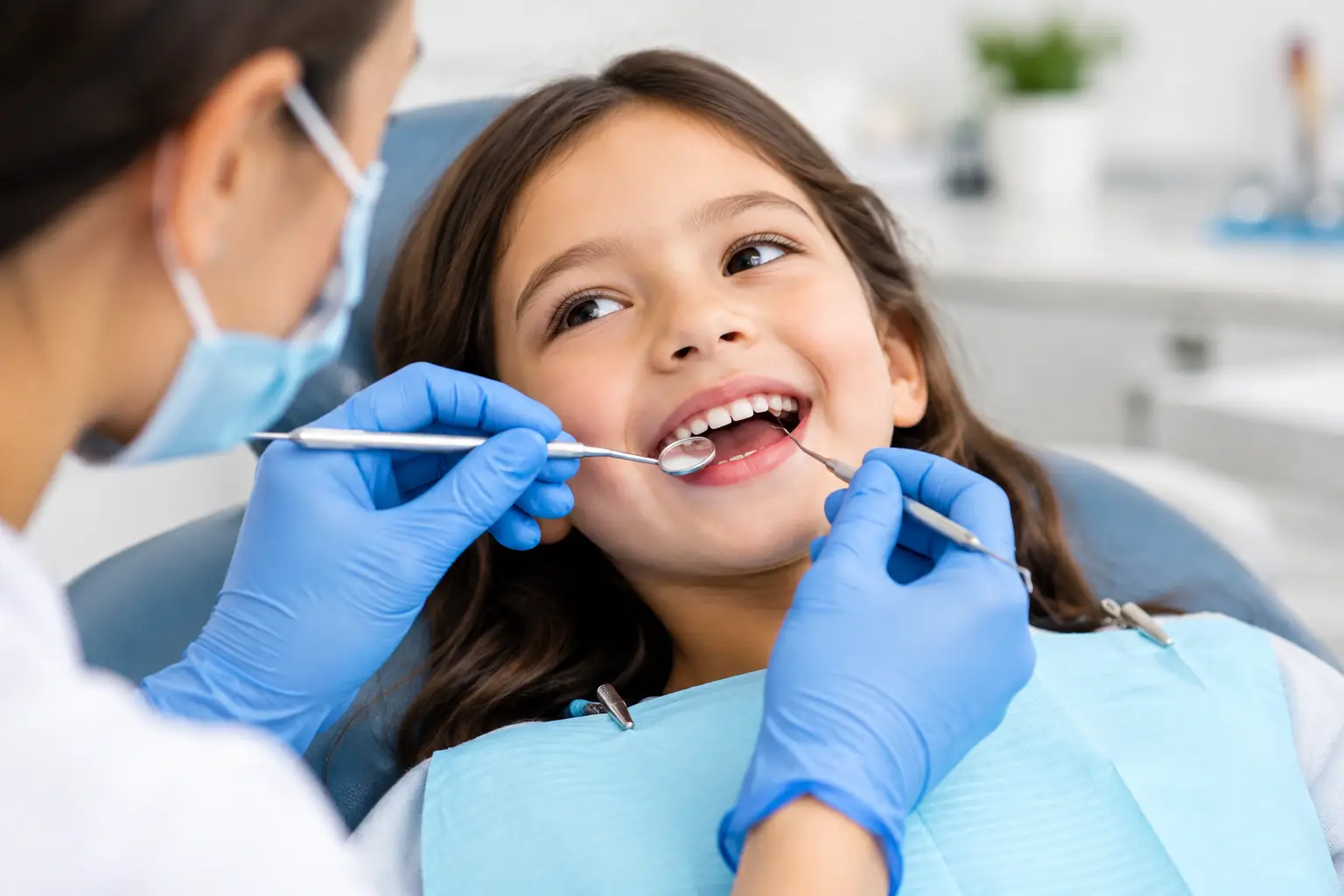
A child can brush carefully and still miss the deepest grooves on their back teeth. Those tiny pits and fissures are excellent hiding places for food and cavity-causing bacteria, especially when newly erupted molars are still difficult for little hands to clean. Pediatric dental sealants offer a simple layer of protection for these high-risk surfaces before decay gets a chance to start.
For many families, the appeal is straightforward: sealants are quick, noninvasive, and usually comfortable for kids who may already feel nervous about dental treatment. They are not a substitute for brushing, flossing, fluoride, or regular checkups. They are an added safeguard for the teeth most likely to develop cavities.
What are pediatric dental sealants?
A dental sealant is a thin protective coating placed on the chewing surface of a back tooth. Dentists most often recommend them for molars and premolars because these teeth have natural grooves that are much narrower than a toothbrush bristle. Even with good brushing habits, plaque can remain in those grooves.
The sealant flows into the uneven surface and is hardened with a curing light. It creates a smoother barrier that helps keep food and bacteria out of the grooves. The tooth is not drilled or altered for a standard sealant appointment.
Sealants are typically clear, white, or slightly tinted. Your child will not feel them once they are in place, and they do not change how the teeth look when smiling.
When do children usually need sealants?
Timing matters because sealants work best when they are placed soon after a healthy permanent molar comes in. The first permanent molars often erupt around age 6, behind the baby molars. A second set commonly arrives around age 12. These are the teeth dentists are most likely to seal.
Some children may also benefit from sealants on baby teeth. This is less common, but it can make sense when a baby molar has deep grooves and a child has a higher risk of cavities. Risk can be influenced by past cavities, frequent snacking or sugary drinks, difficulty brushing thoroughly, orthodontic appliances, or a family history of tooth decay.
There is no single age that fits every child. During a routine exam, the dentist can check whether the tooth has erupted enough to keep it dry during treatment and whether its grooves would benefit from protection. If a tooth already has a cavity or signs of early decay, a sealant may not be the right solution. The dentist may recommend a filling or another preventive approach instead.
What happens at a sealant appointment?
For most children, getting a sealant is one of the easiest dental procedures. It usually does not require numbing, shots, drilling, or recovery time. A child can return to school, activities, and regular meals afterward.
The dental team first cleans and dries the tooth. Next, a gentle conditioning solution is applied briefly so the sealant can bond securely. The tooth is rinsed and dried again, then the sealant is painted into the grooves and hardened with a special light. Finally, the dentist checks the bite to make sure everything feels comfortable.
The appointment may take only a few minutes per tooth, although allowing extra time can help a child feel settled. For a child who is anxious, a calm explanation and the chance to ask questions can make a real difference. At D on D Dental, we believe preventive care should feel supportive, never rushed or intimidating.
What will it feel like?
Most children feel very little beyond the sensation of keeping their mouth open and the taste of the cleaning or conditioning materials. The curing light is bright, but protective eyewear helps. If your child has sensory sensitivities, a strong gag reflex, or anxiety around dental visits, let the team know before the appointment. Small adjustments, such as breaks between teeth or simple step-by-step language, can make treatment feel more manageable.
How effective are sealants at preventing cavities?
Sealants can substantially reduce the risk of cavities on the chewing surfaces of back teeth. That benefit is particularly meaningful in the first years after a permanent molar erupts, when brushing may be inconsistent and the tooth’s deep grooves are most vulnerable.
Still, sealants only protect the surface they cover. They do not prevent cavities between teeth, near the gumline, or on unsealed surfaces. A child can have sealants and still need daily brushing with fluoride toothpaste, flossing once teeth touch, healthy drink and snack habits, and regular dental visits.
Think of a sealant as a raincoat for the top of a molar, not full-body protection. It is a practical preventive tool, but it works alongside the rest of a child’s oral health routine.
How long do pediatric dental sealants last?
Sealants can last for several years, and sometimes much longer, with normal chewing and good care. Over time, they can wear down, chip, or partially come off. This is not usually an emergency, but it does mean the tooth should be checked and, if needed, touched up or replaced.
Your child’s dentist will inspect the sealants at regular checkups. That follow-up is one reason preventive visits matter even when your child has no tooth pain. Early wear is often easy to address before a cavity develops.
Avoiding hard objects such as ice, pen caps, and fingernails can help protect both sealants and natural teeth. Otherwise, children can eat normally after treatment. There is no special diet required.
Are sealants safe for children?
Dental sealants have been used in children’s dentistry for decades and are widely considered a safe preventive treatment. The materials are applied to the tooth surface and hardened in place. Parents who have questions about ingredients, allergies, or their child’s medical history should raise them before treatment. A good dental team will explain the material being used and help you make an informed decision without pressure.
The more useful question is often whether the likely benefit outweighs the small effort and cost of treatment. For a child with deep molar grooves or a history of cavities, prevention can be far easier than managing a filling later. For a child with very shallow grooves, excellent hygiene, and low cavity risk, the recommendation may be less urgent. Personalized advice is better than a one-size-fits-all answer.
What about cost and insurance coverage?
Coverage for sealants varies by insurance plan, age limit, tooth type, and frequency rules. Many plans provide coverage for sealants on children’s permanent molars, but families should not assume every tooth or every replacement will be covered. Before treatment, ask for a clear estimate of any out-of-pocket cost and whether your plan has restrictions.
If cost is a concern, say so. Preventive care decisions should come with transparent financial guidance, not surprises. Your dental office can help review your benefits and discuss practical options before your child is in the chair.
Helping your child feel ready
You do not need to give your child a detailed medical explanation before a sealant visit. A simple, reassuring description usually works best: the dentist is going to paint a protective coat on the back teeth to help keep sugar bugs out. Avoid presenting it as something painful or saying, “It won’t hurt,” if they have not asked. Instead, let them know the team will explain each step and that they can raise a hand if they need a break.
If your child is due for a checkup or has newly erupted back teeth, ask whether sealants would be useful. A brief preventive visit now may help protect those hard-to-clean molars through the busy years when kids are learning to care for their own smiles.